
Thescreescore – While many critics categorize Hulu’s premier dystopian drama as a cornerstone of modern science fiction, such a label overlooks the series’ most visceral quality: its mastery of psychological horror. Much like the genre-blurring legacy of Blade Runner, which bridged the gap between sci-fi and terror, the series proves that the most frightening monsters aren’t always extraterrestrial.
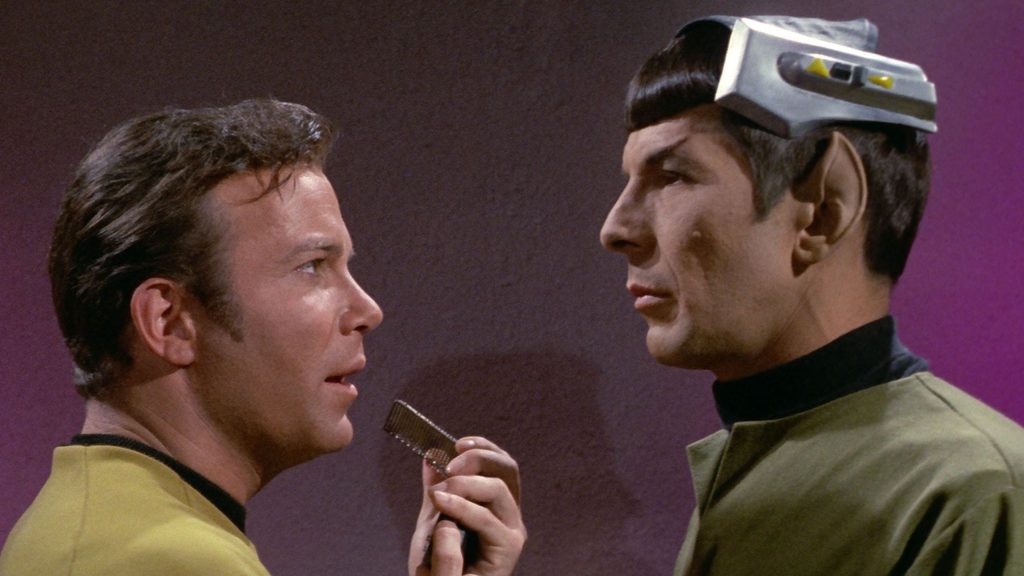
In the realm of speculative fiction, the line between "wonder" and "dread" is often razor-thin. We see it in the mechanical terror of the Borg in Star Trek or the uncanny, human-like threat of the Cylons in Battlestar Galactica. Even the most iconic sci-fi franchises, from Alien to Predator, rely on the tension between the unknown and the lethal. However, Margaret Atwood’s The Handmaid’s Tale takes this concept and pivots it toward a much more grounded, suffocating brand of horror.
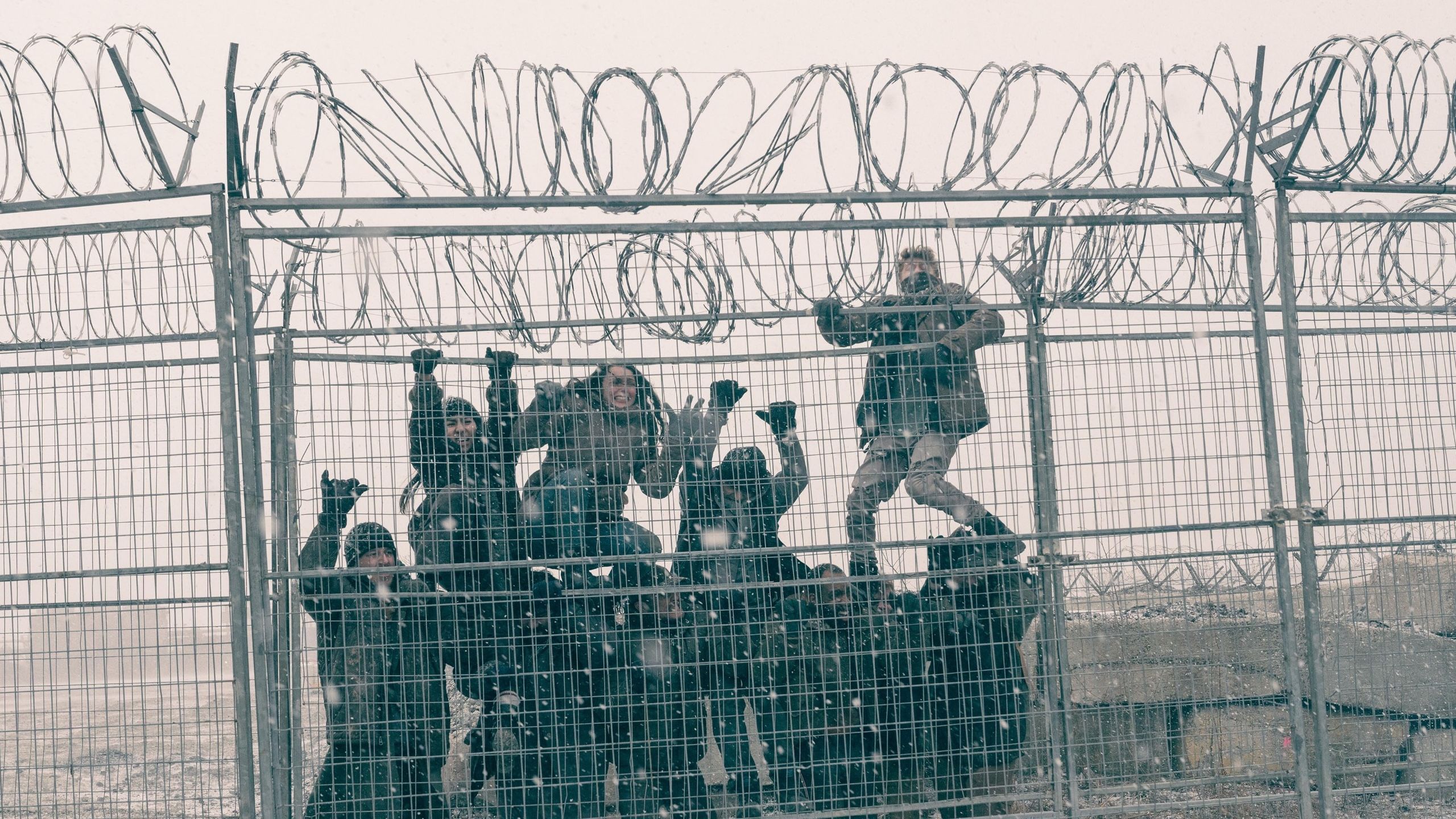
Set within the totalitarian Republic of Gilead—a near-future America governed by religious fascism—the series expands upon Atwood’s 1985 masterpiece. While the original novel utilized a deeply personal, epistolary format, the television adaptation adopts a sprawling, multi-perspective lens to showcase the systemic atrocities of its setting. In Gilead, women like Offred (played with haunting intensity by Elisabeth Moss) are stripped of agency, reduced to mere biological vessels for a patriarchal regime.

Related Post
The show’s ability to evoke overwhelming dread sets it apart from other high-concept dystopian series like HBO’s Westworld. While Westworld leaned heavily into graphic spectacle and violence, The Handmaid’s Tale focused on the psychological weight of living under constant surveillance and oppression. It is a show that doesn’t just depict a bad future; it makes the viewer feel the claustrophobia of it.
This relentless intensity, however, has been a double-edged sword for the production. As the series progressed through its 66 episodes, it faced scrutiny regarding its use of "shock value." Critics occasionally argued that the depiction of torture and public executions felt gratuitous, bordering on the exploitative. Yet, for many dedicated viewers, this brutality served as an unflinching, necessary mirror to the realities of fascist cruelty.
Interestingly, the series seemed to find a tonal balance in its final seasons. By slightly tempering the visceral brutality seen in the middle seasons, the show allowed for a conclusion that felt less like an inescapable nightmare and more like a nuanced exploration of survival. Whether viewed as a sci-fi epic or a psychological horror masterpiece, the series remains a landmark of television that refuses to look away from the darkness.




Leave a Comment