
Thescreescore – In the vast, sprawling landscape of Netflix’s streaming library, few titles command as much intellectual respect as Black Mirror. While the platform boasts massive hits like Stranger Things and visually stunning animation like Cyberpunk: Edgerunners, the crown for the most enduring science fiction saga belongs to Charlie Brooker’s chilling anthology. Spanning 34 distinct entries—including the experimental interactive film Bandersnatch—the series has evolved from a niche British Channel 4 production into a global cultural phenomenon that defines the very essence of speculative storytelling.
For over a decade, Black Mirror has served as the streaming giant’s reliable "workhorse." Unlike many prestige dramas that burn bright and fade quickly, this anthology has maintained a steady, high-quality pulse. It is a series that doesn’t just entertain; it provokes. Every season offers at least one visceral, social-media-shattering episode that dissects our growing dependency on digital interfaces. It is widely regarded as the premier sci-fi anthology of the 21st century, standing in the prestigious shadow of only The Twilight Zone.
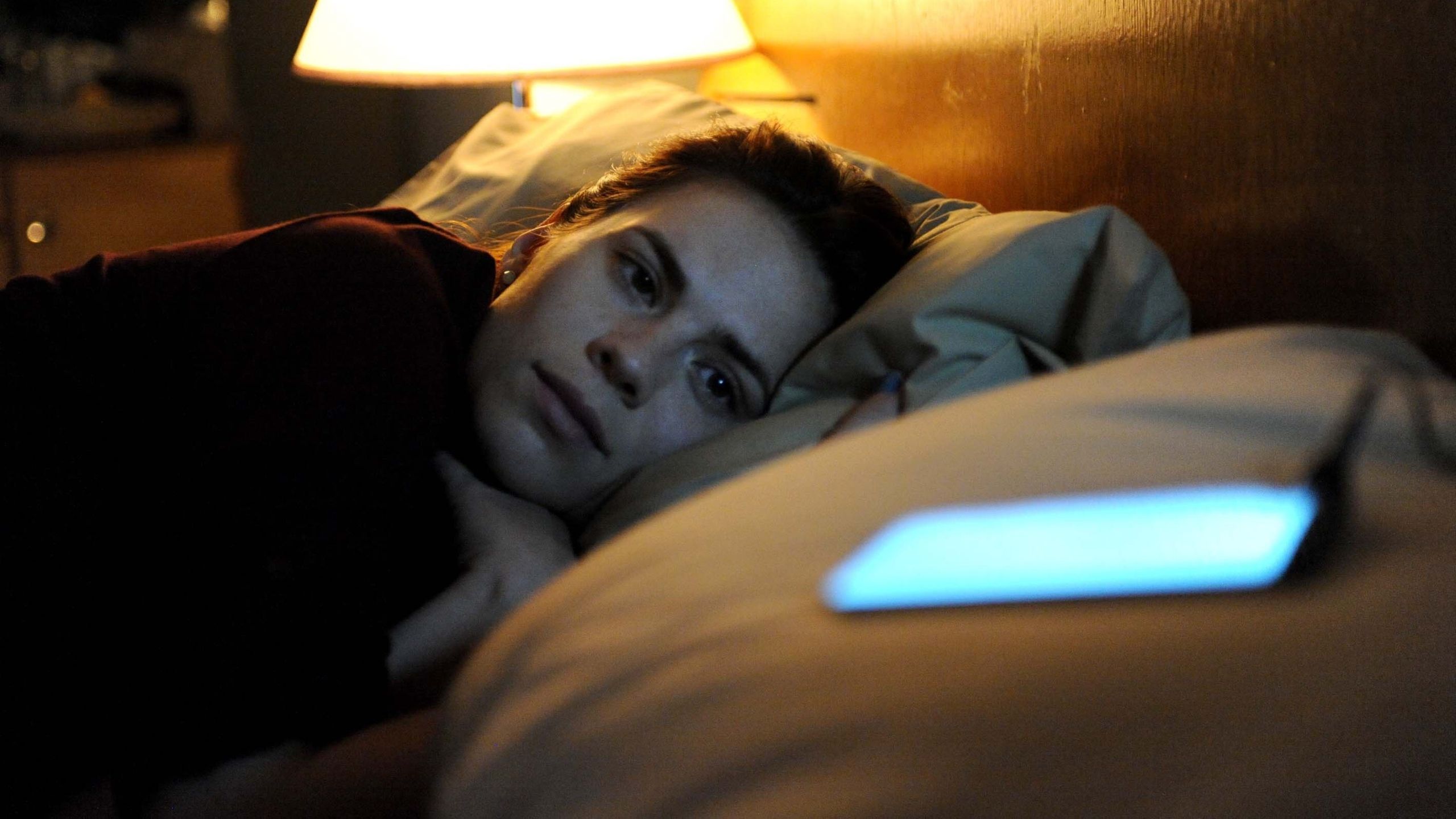
However, as we look toward the horizon, a haunting question emerges: Can a show built on predicting the terrifying future keep pace with a reality that is evolving faster than the script can be written?

Related Post


The central tension for the series lies in the sheer velocity of modern innovation. As reported by thescreescore.com, production for Season 8 is already underway, but with a projected release window potentially as late as 2027, the show faces a unique existential threat: obsolescence. The speculative horrors that felt groundbreaking just a few years ago—such as deepfake technology or advanced AI voice synthesis—are rapidly becoming mundane household realities.
When Black Mirror first began its journey in 2011, it was a lone voice of dissent, a cautionary tale warning us of the digital abyss. Today, the abyss is already here. With generative AI and hyper-realistic simulations moving at breakneck speeds, the "future" that Brooker warns us about is often already happening in real-time. To remain the sharp, biting critique the world expects, Black Mirror must find new ways to pierce the veil of a society that has already integrated its darkest technological fears into daily life. Whether the series can outrun the very progress it seeks to critique remains to be seen.






Leave a Comment