
<strong>Thescreescore – </strong>In the high-stakes world of Julian Fellowes’ The Gilded Age, the line between immense wealth and ruthless ambition is razor-thin. As the series progresses into its third season, the character of George Russell (played by Morgan Spector) has become a focal point for viewers fascinated by the intersection of fiction and historical reality. While the show offers a dramatized version of the American Dream, the DNA of George Russell is deeply rooted in the lives of the most formidable "robber barons" of the 19th century, most notably the legendary Jay Gould.
The character of George Russell is far from a simple archetype; he is a sophisticated amalgam of real-life titans. While George navigates the treacherous waters of railroad expansion and survives both financial ruin and assassination attempts, his trajectory mirrors that of Jay Gould. Gould was a self-made millionaire who famously clashed with the established "old money" elite, such as the real-life Mrs. Astor, who led the exclusive "Four Hundred." This historical friction is beautifully captured in the show’s depiction of the tension between the established socialites and the rising industrialist class.
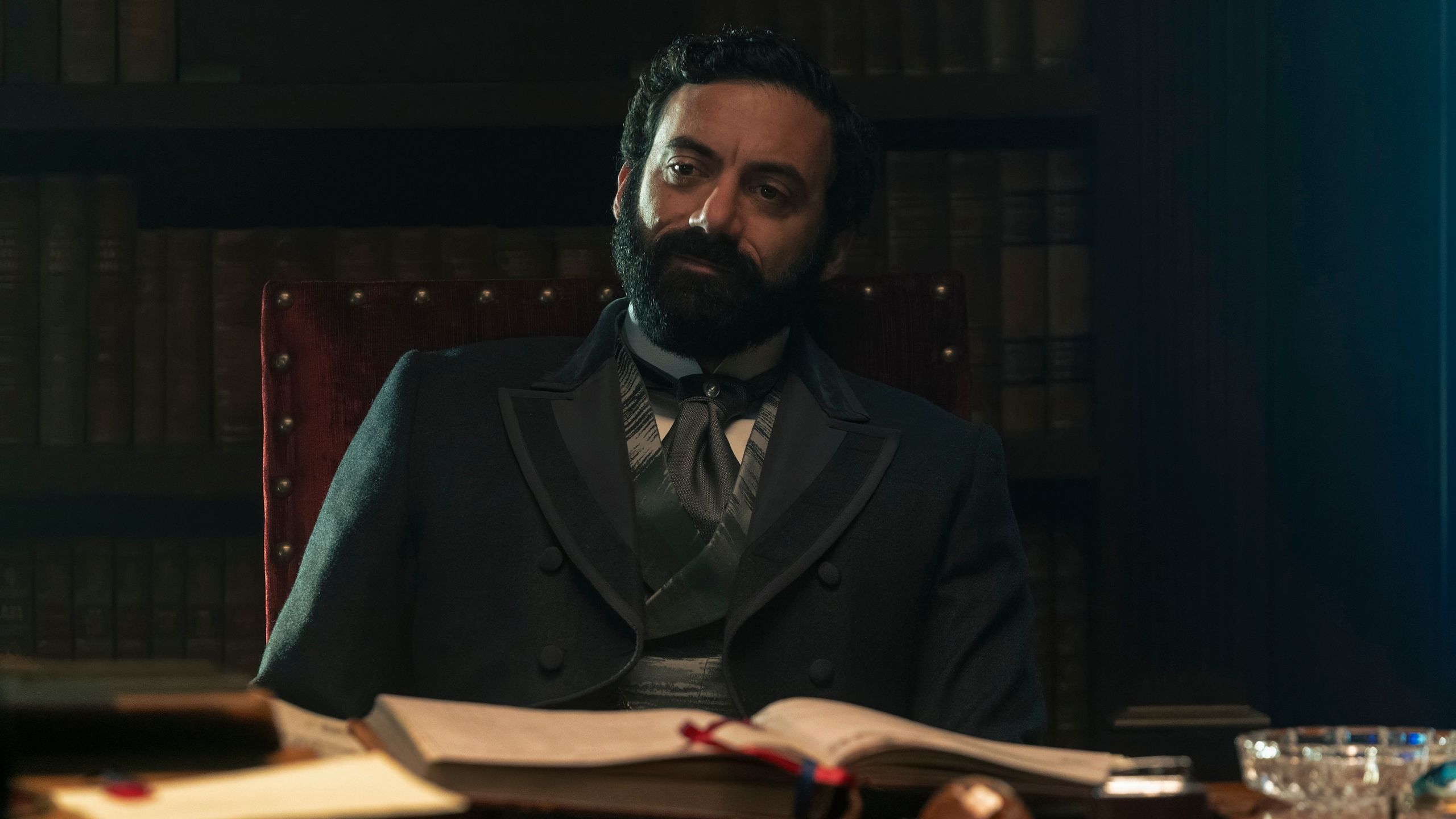
The depth of this characterization is not lost on the actors themselves. Morgan Spector has revealed that his preparation for the role involved extensive research into the biographies of the era’s most influential figures. To truly inhabit the skin of a man like George Russell, Spector delved into the lives of Jay Gould and Cornelius Vanderbilt, even consuming dense historical texts like The Republic For Which It Stands to understand the sheer scale of the Reconstruction and Gilded Age eras.

Related Post


The brilliance of the series lies in how it weaves these historical threads into a compelling narrative. For instance, the show’s portrayal of the Russell family’s struggle to gain social legitimacy—much like the real-life Gould family’s eventual acceptance into high society—adds a layer of profound realism. Even the subplot involving the discovery of copper mines in Arizona serves as a nod to the era’s volatile and resource-driven wealth.
As The Gilded Age continues to captivate audiences on HBO, the brilliance of the writing becomes clear. By blending the ruthless, cut-throat nature of industrial capitalism with the deeply personal, domestic lives of the characters, Fellowes has created a world that feels both larger than life and strikingly authentic. Whether it is the shadow of J.P. Morgan or the echoes of the Vanderbilt legacy, the show remains a masterclass in how to use history as a canvas for modern storytelling.







Leave a Comment