
Thescreescore – The cinematic landscape has long pondered a tantalizing ‘what if’ scenario: Steven Spielberg, the visionary director behind some of Hollywood’s most iconic blockbusters, at the helm of a James Bond adventure. While countless filmmakers have left their indelible mark on the 007 franchise, from the classic stylings of Terence Young to the modern grit of Sam Mendes, Spielberg’s name remains conspicuously absent from that prestigious list. A recent revelation from the maestro himself, shared on The Rest is Entertainment podcast, unearths the surprising truth behind this missed collaboration, detailing not one, but two rejections from the franchise’s unyielding gatekeepers, the Broccoli family.
Spielberg’s ambition to direct a Bond film predates his legendary status, stemming from his early fascination with "Dr. No." Fresh off the monumental success of 1975’s Jaws, a film that redefined the summer blockbuster, a then-rising Spielberg made his initial overture to Albert R. "Cubby" Broccoli. He candidly offered his services, expressing a fervent desire to direct a 007 installment. However, despite his burgeoning reputation, Broccoli’s response was a firm "no," leaving the aspiring Bond director on the outside looking in.
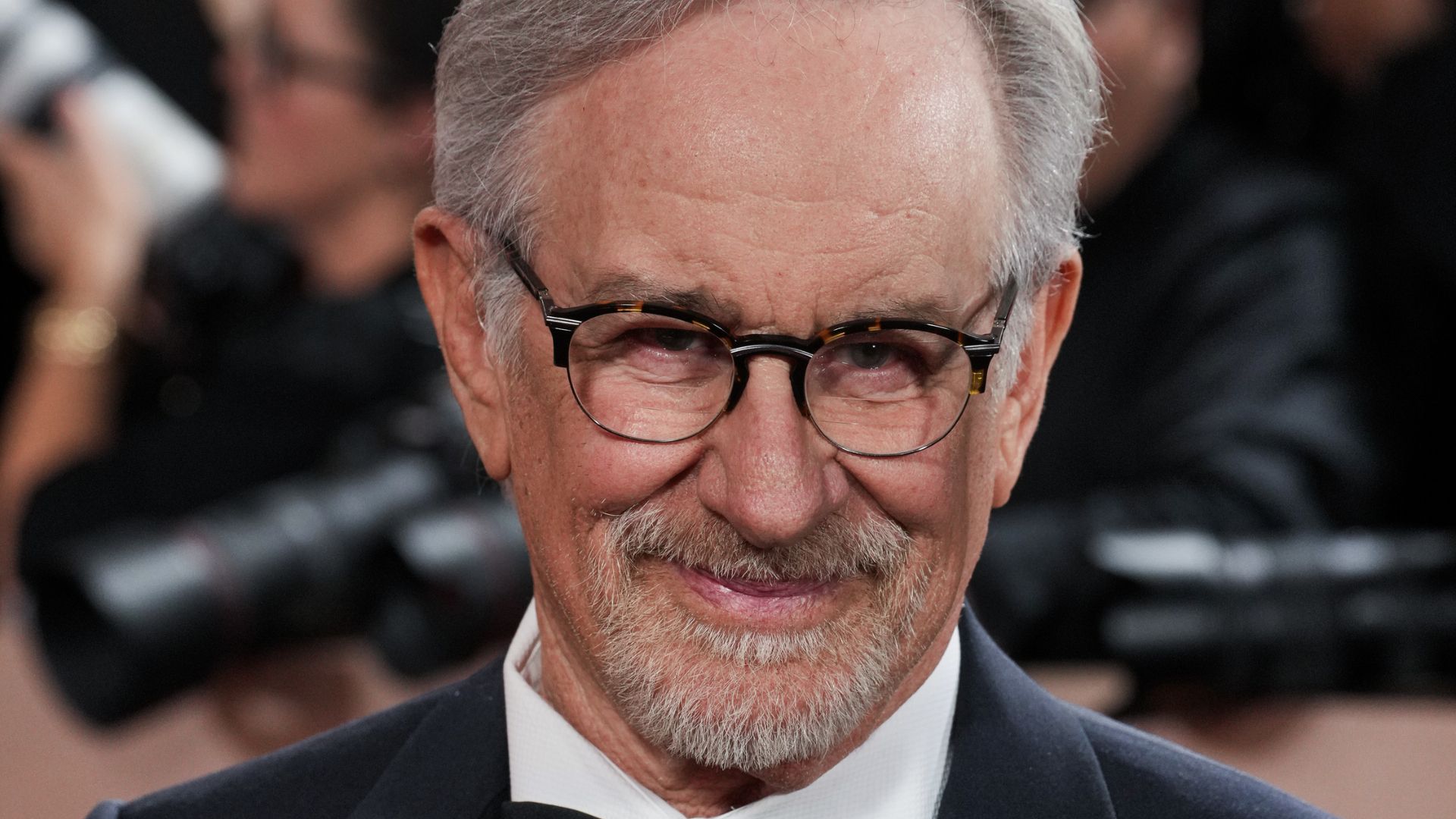
The opportunity, or so it seemed, arose again just two years later. Following the critical acclaim of 1977’s Close Encounters of the Third Kind, Broccoli contacted Spielberg with a peculiar request: permission to utilize the film’s iconic five-note musical motif in the upcoming Bond entry, Moonraker. Seizing the moment, Spielberg proposed a quid pro quo: access to the distinctive musical cue in exchange for the director’s chair on a future Bond project. Yet, even this ingenious negotiation tactic was met with another unequivocal refusal. Spielberg, ever the gentleman, granted permission for the notes anyway, but the door to the 007 universe remained resolutely shut. Broccoli, it appears, never offered an explanation for his consistent denials.

Related Post


While these rejections might have initially stung, they inadvertently paved the way for another cinematic legend. Spielberg recounted sharing this tale of unrequited Bond ambition with George Lucas in 1977, as they prepared for the release of Star Wars: A New Hope. It was then that Lucas unveiled his concept for "Indiana Smith," which would soon evolve into the beloved Indiana Jones series. Thus, the very refusal that kept Spielberg from Bond ultimately led him to create another globally adored action-adventure hero, proving that one door closing often opens another, perhaps even more significant, one.
The consistent rebuffs faced by a director of Spielberg’s caliber raise questions about the underlying philosophy of Eon Productions, the custodians of the official Bond canon. Prior to its acquisition by Amazon, the Broccoli family was renowned for its stringent creative control, often retaining final veto power over key artistic decisions. This might have been a significant deterrent for many top-tier filmmakers accustomed to greater autonomy. Furthermore, the franchise’s deep-seated British heritage likely played a pivotal role. For decades, Eon Productions largely favored British directors, with Cary Joji Fukunaga only becoming the first American to officially helm a 007 film with No Time To Die in 2021. While Irvin Kershner, another American, directed Never Say Never Again (1983), that particular film operated outside Eon’s official purview.
Although the Broccoli family’s stance on director nationality appears to have softened in recent years – evidenced by the Canadian Denis Villeneuve reportedly taking the reins for Bond 26 – it seems Spielberg’s window of opportunity has long since closed. Indeed, Spielberg himself now humorously asserts that if the offer were to come today, his response would be a simple, "You can’t afford me." While the prospect of a Spielberg-directed James Bond film remains a fascinating thought experiment for cinephiles, it’s clear that this particular dream pairing was never destined to materialize, instead giving birth to other, equally monumental, cinematic legacies.



Leave a Comment