
Thescreescore – For over eight decades, Batman has stood as a towering figure in popular culture, evolving from comic book pages to the silver screen and beyond. Yet, beneath the cowl and behind the iconic Bat-Signal, lies a rich tapestry of untold stories, surprising origins, and groundbreaking industry moments that even the most ardent fans might overlook. From the unsung hero of his creation to the financial wizardry of a villain’s contract, the journey of the Caped Crusader is far more intricate and intriguing than many realize.
The very genesis of Batman is a narrative steeped in historical oversight. While Bob Kane was long credited as the sole creator, the truth reveals a crucial partnership with Bill Finger. Finger, the uncredited architect, was instrumental in shaping the Dark Knight’s definitive look, from the iconic cowl and scalloped cape to the grey-and-black color scheme. More profoundly, he penned much of the original Detective Comics #27 story, conceived the name "Bruce Wayne," christened Gotham City, and co-created a significant portion of Batman’s legendary rogues’ gallery, including the Joker, Penguin, Riddler, and Catwoman. It wasn’t until 2015, following a dedicated campaign, that DC and Warner Bros. finally acknowledged Finger’s indispensable contributions, adding his name to all Batman credits, a long-overdue rectification for a man who died in relative obscurity while Kane amassed millions.
Transitioning to the screen, the character’s early cinematic presence was marked by the vibrant, campy charm of Adam West. His portrayal in Batman: The Movie (1966), released between the first and second seasons of the beloved ABC series, is widely recognized as the first standalone theatrical feature. This film, complete with its "Holy Whatever, Batman!" exclamations and the infamous shark-repellent Bat-spray, solidified a lighter, more comedic take on the hero, leaving an indelible mark before darker interpretations emerged.

Related Post


Decades later, a different kind of icon emerged in the realm of voice acting. Kevin Conroy, the definitive voice of Batman in Batman: The Animated Series (1992-1995), revolutionized the character’s vocal portrayal. His innovative approach of crafting two distinct voices – a lighter, charming cadence for Bruce Wayne and a deeper, grittier growl for Batman – became the industry standard, openly emulated by live-action actors like Christian Bale, Ben Affleck, and Robert Pattinson. Conroy’s three-decade tenure across numerous animated projects and video games cemented his legacy, with his passing in 2022 mourned as the literal silencing of Batman’s voice.
Beyond the creative genius, Batman’s universe has also been the stage for unprecedented financial maneuvers. Jack Nicholson’s portrayal of the Joker in Tim Burton’s Batman (1989) is a legendary case study in Hollywood deal-making. With a modest $6 million base salary, Nicholson’s agent negotiated a groundbreaking contract that included a percentage of the box-office gross (first-dollar gross, bypassing Hollywood’s notorious "net profits" accounting) and a percentage of Batman merchandising royalties. This ingenious structure led to an estimated $60-$90 million payout, making it one of the most lucrative single roles in history and setting a new template for A-list talent participation in blockbuster franchises.
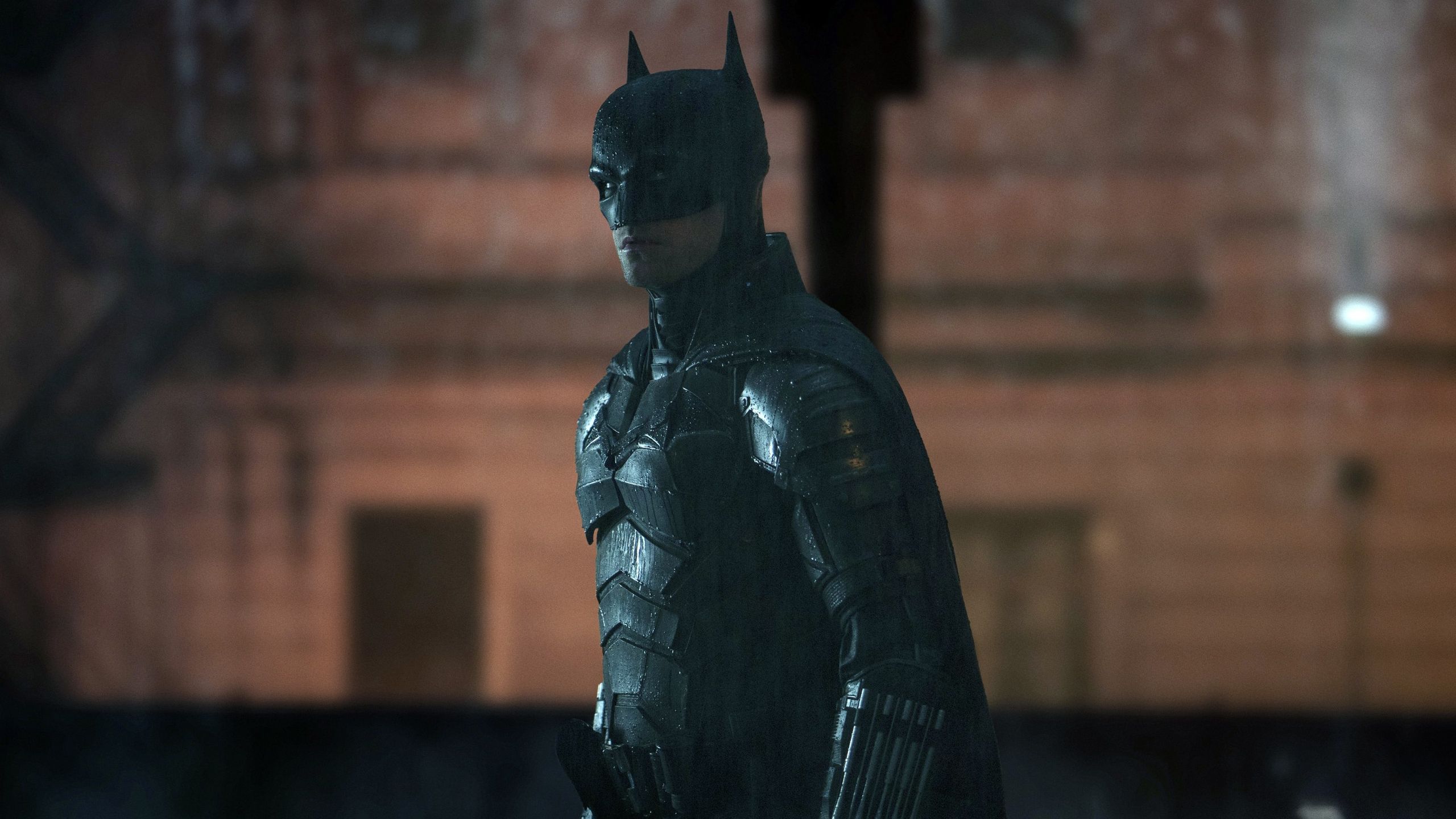
The Caped Crusader’s cinematic journey has seen its highs and lows. While Matt Reeves’ The Batman (2022), starring Robert Pattinson, garnered critical acclaim for its noir-detective, serial-killer narrative inspired by films like Se7en and Zodiac, the franchise also endured a significant misstep. Joel Schumacher’s Batman & Robin (1997), featuring George Clooney in his sole outing as Bruce Wayne, is widely cited as one of the worst superhero films ever made. Clooney himself has publicly apologized for "destroying the franchise," a candid admission that highlights the film’s catastrophic impact, which effectively shelved live-action Batman for eight years until Christopher Nolan’s Batman Begins.
Even the most villainous characters harbor intriguing quirks. Cesar Romero, the original live-action Joker from the 1966 TV series, famously refused to shave his trademark mustache for the role. The makeup department simply caked white greasepaint over it, a visible detail that eagle-eyed viewers can still spot poking through the white makeup in episodes and Batman: The Movie. This small act of vanity became an iconic, charming eccentricity of his legendary performance.
In recent years, the character’s mythos has even transcended traditional superhero narratives, achieving significant critical recognition. Todd Phillips’ standalone Joker (2019), starring Joaquin Phoenix, shattered box office expectations and earned 11 Academy Award nominations. Phoenix secured the Best Actor Oscar for his transformative performance, but the film also clinched a second Oscar for Best Original Score, awarded to the Icelandic cellist and composer Hildur Guðnadóttir. Her haunting cello motif, particularly during Arthur Fleck’s bathroom dance, marked a breakthrough moment, making her only the fourth solo woman to win the category.
From its contentious origins to its groundbreaking financial deals and diverse cinematic interpretations, the story of Batman is a testament to enduring creativity and cultural impact. The Caped Crusader continues to inspire, surprise, and captivate audiences worldwide, proving that even after decades, there are always new layers to unmask in Gotham’s legendary protector.





Leave a Comment