
<strong>Thescreescore – In the high-stakes world of espionage, trust is a luxury no one can afford—not even within a marriage. Steven Soderbergh and David Koepp’s latest cinematic offering, Black Bag, is less of a standard action flick and more of a claustrophobic, psychological labyrinth. Clocking in at a lean 93 minutes, the film demands total cognitive engagement as it weaves a web of professional deception, starring Michael Fassbender and Cate Blanchett as a married couple caught in a lethal game of shadows.
While the film’s theatrical run was modest, its recent arrival on Hulu has ignited fresh discourse among thriller aficionados. If you found yourself scrambling for a notepad to untangle the web of lies, you aren’t alone. Here is the breakdown of the betrayal that fueled the chaos.
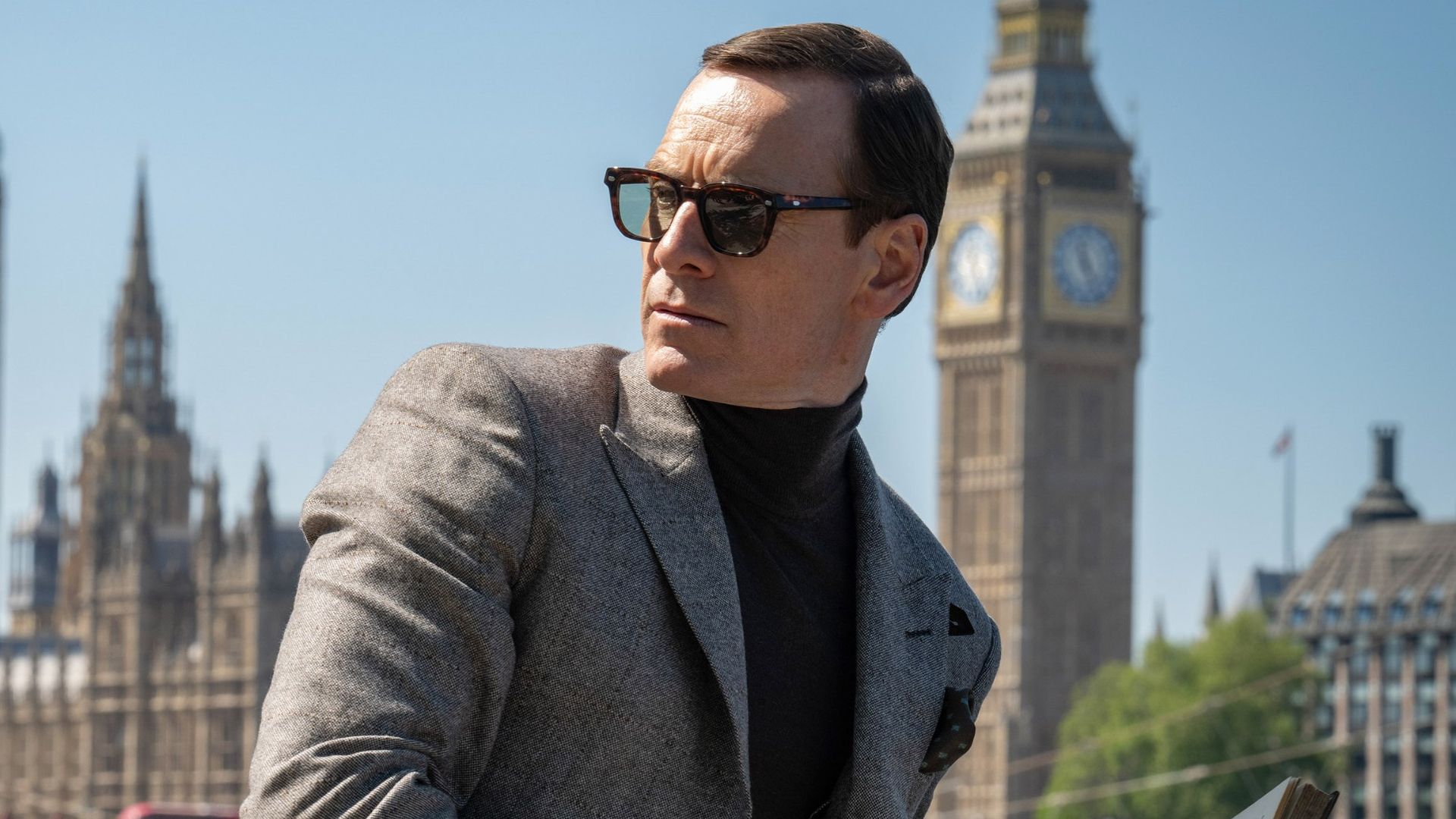
The Architect of Chaos: Who Leaked Severus?

Related Post


The central mystery revolves around "Severus," a devastating cyber weapon capable of inducing nuclear reactor meltdowns, which was leaked to Russian interests. The investigation reveals that the betrayal didn’t come from the shadows, but from the very top of the National Cyber Security Centre (NCSC).
The mastermind behind the leak was Arthur Stieglitz, played with calculated menace by Pierce Brosnan. Arthur wasn’t acting alone; he orchestrated the betrayal alongside Colonel James Stokes, the second-in-command to Fassbender’s character, George. Their motive was chillingly ideological: they intended to leak the weapon to trigger "controlled chaos," essentially using a catastrophic event as bait to force a global military intervention that would, in their twisted logic, end existing conflicts like the war in Ukraine.
The Deception of James Stokes
James Stokes serves as the film’s most sophisticated antagonist. Unlike other suspects, his motivations were rooted in a "greater good" philosophy. During a tense polygraph sequence, Stokes reveals his belief that extreme, even murderous, intervention is morally justifiable if it achieves a massive geopolitical shift.
To protect himself, Stokes engaged in a masterful gaslighting campaign against George. He planted evidence to frame George’s wife, Kathryn, suggesting she had used a pseudonym—"Margaret Langford"—to move $7 million into a Myanmar bank account. This manufactured trail led George to believe Kathryn was selling secrets to Russian agents, nearly destroying the couple’s bond.
The Final Confrontation and the Fate of the Pawns
The film reaches a fever pitch during a tense dinner at the Woodhouse residence. Stokes, realizing the walls are closing in, attempts to kill George. However, in a moment of fatal miscalculation, Stokes mistakes a prop for a real weapon. While George had been recording the confession via hidden camera, it was Kathryn who delivered the final, lethal blow with a legitimate firearm.
As for the secondary characters—Freddie, Zoe, and Clarissa—they were ultimately revealed to be mere pawns. Their actions, from planting movie stubs to spreading rumors, were ripples caused by Arthur’s initial "stone throw." Because they were manipulated rather than true conspirators, George chooses to spare their lives.
A Masterclass in Brevity
Critics have lauded Black Bag for its efficiency. Boasting a stellar 96% on Rotten Tomatoes, the film is being hailed as a triumph of the "short-form" thriller. In an era of bloated runtimes, Soderbergh and Koepp have delivered a narrative that snaps shut with surgical precision.
While a theatrical sequel remains uncertain, the film’s streaming success keeps the door ajar. Soderbergh has already hinted that if a follow-up is greenlit, the story would explore the heavy psychological consequences of killing a high-level operative—a debt that, in the world of espionage, is never truly settled.






Leave a Comment