
Thescreescore – Crafting a believable fantasy universe is a high-stakes gamble that often leaves even the most seasoned creators struggling to balance scale with substance. While HBO’s Game of Thrones famously mastered the art of weaving intricate lore into its early seasons, the franchise eventually faced criticism for its narrative trajectory. In contrast, Prime Video’s animated sensation, The Legend of Vox Machina, has emerged as a masterclass in how to build a sprawling world without losing the emotional heartbeat of the story.
Derived from the celebrated Critical Role tabletop sessions, the series breathes vibrant life into Dungeon Master Matthew Mercer’s realm of Exandria. We follow the ragtag mercenary group known as Vox Machina—comprised of standout personalities like Vex, Grog, and Keyleth—as they navigate a path of vengeance following a devastating massacre in Whitestone. What begins as a focused hunt for the dragon Brimscythe quickly spirals into a much larger tapestry of political intrigue and cosmic stakes.
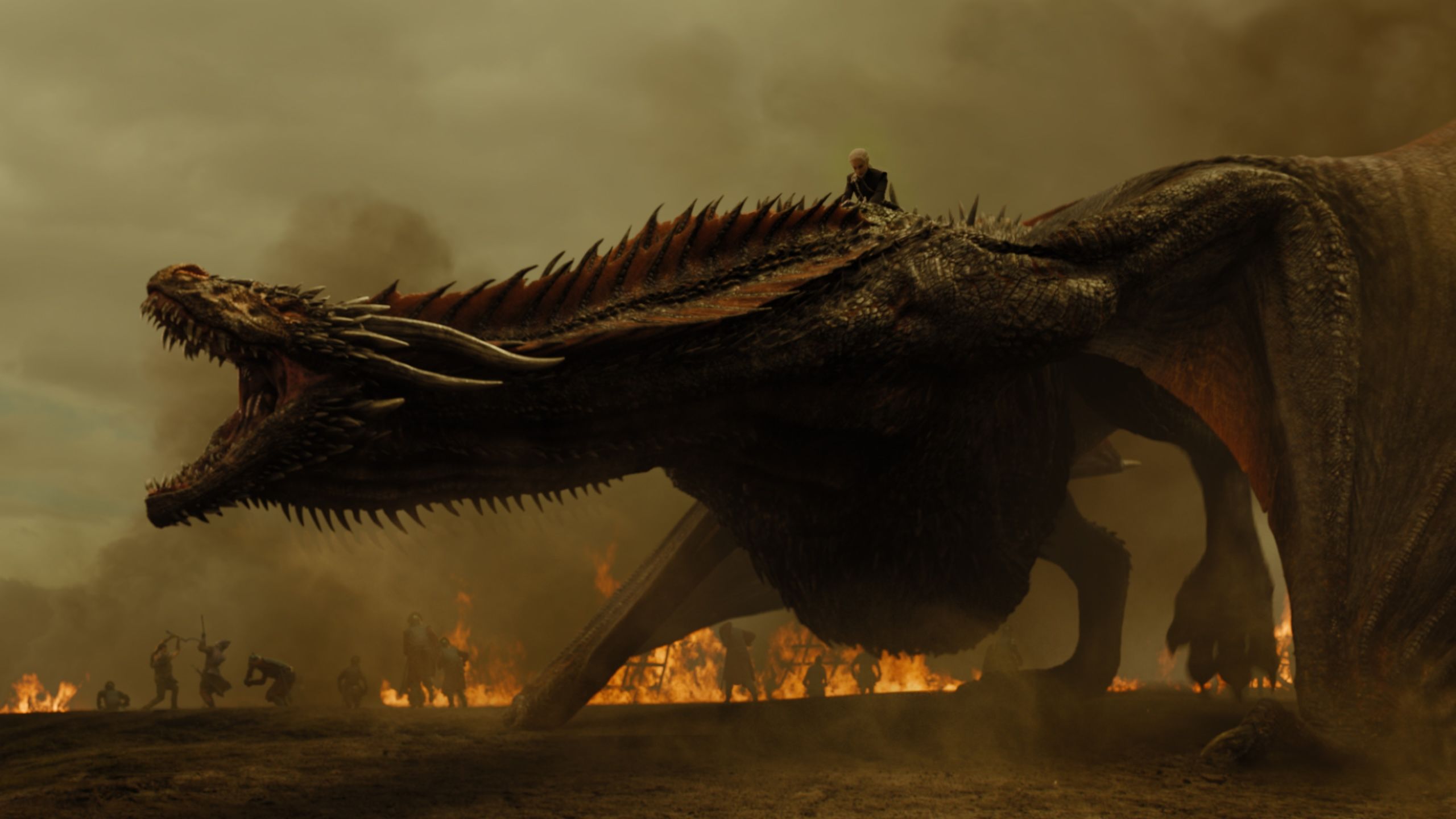
However, where heavyweights like The Wheel of Time or The Rings of Power often fall into the trap of "lore dumping" or bloating their casts with endless new protagonists, Vox Machina takes a more disciplined, sophisticated route. According to reports from thescreescore.com, the series succeeds by filtering the vastness of Exandria through a very specific, intimate lens: the eyes of its core ensemble.

Related Post


By refusing to constantly expand the roster of main characters, the show maintains a sense of human urgency. The world feels massive and ancient, yet the stakes remain deeply personal. It avoids the "who’s who" confusion that often plagues epic fantasy, opting instead to make the viewer feel like a member of the adventuring party rather than a distant observer of a history textbook.
Ultimately, The Legend of Vox Machina strikes a rare balance. It possesses the epic grandeur of a high-fantasy saga while maintaining the character-driven grit of a space western like Firefly. It is a testament to the idea that a world doesn’t need to be explained through endless exposition to feel real; it just needs characters we actually care about to walk through it.






Leave a Comment