
Thescreescore – The highly anticipated cinematic adaptation of Colleen Hoover’s bestselling psychological thriller, Verity, has arrived in theaters, captivating audiences with its dark romance and suspense. Starring Anne Hathaway as the enigmatic Verity Crawford and Dakota Johnson as the unsuspecting Lowen Ashleigh, the film brings the novel’s chilling narrative to life. While many core plot elements remain faithful to the source material – including Lowen’s arrival at Verity’s home following the latter’s debilitating accident, her burgeoning relationship with Verity’s husband Jeremy, and Verity’s ultimate demise – director Michael Showalter and author Colleen Hoover reveal significant recalibrations, particularly concerning the story’s unsettling conclusion.
Warning: This article contains major spoilers for Verity.
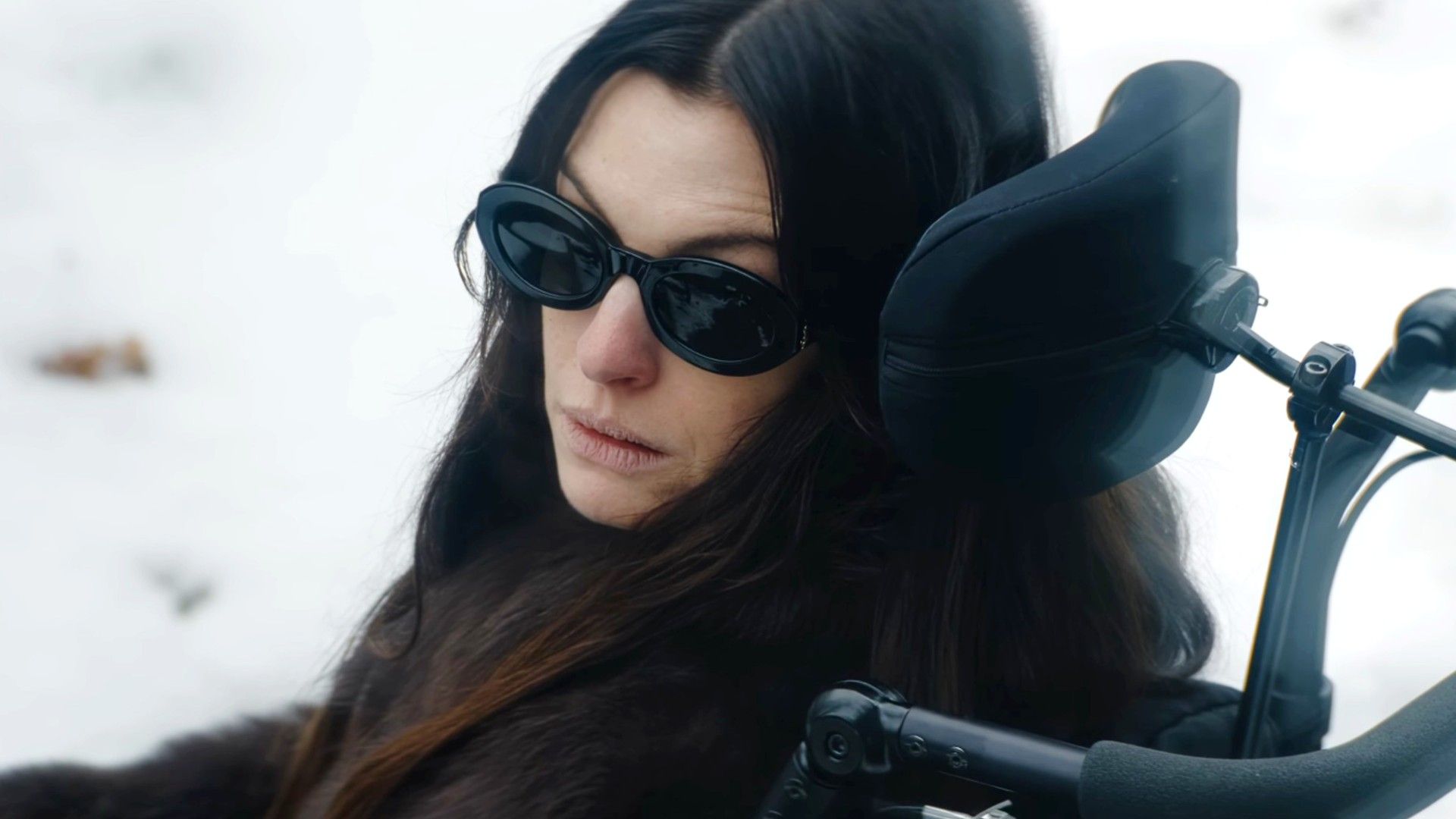
The film meticulously recreates the tension as Lowen uncovers a disturbing manuscript, seemingly detailing Verity’s heinous acts, including the alleged intentional killing of her daughter, Harper. The shocking revelation that Verity has been faking her vegetative state is also preserved. However, the aftermath of these disclosures, and the ultimate fate of the truth, diverge notably from the novel.

Related Post


In an exclusive interview with thescreescore.com, both Colleen Hoover and Michael Showalter elucidated their rationale behind these pivotal narrative adjustments. Hoover, reflecting on her experiences with prior adaptations, expressed a newfound ease in allowing creative liberties. "I’ve learned a lot in the last few years of adaptations as an author," she stated, emphasizing that her primary goal was for viewers to "walk away from the movie with the same feeling that you got walking away from the book," rather than demanding an "exact copy." As both author and producer, she was "very okay with things changing" if they ultimately benefited the cinematic experience.
Director Michael Showalter elaborated on the creative process, revealing that early script drafts explored entirely different finales. His focus, particularly regarding the "antagonistic journaling" twist – where the unearthed manuscript is posited as a writing exercise rather than a true confession – was to craft a "more muscular Hollywood ending." Showalter recognized the "esoteric idea" of antagonistic journaling but felt its sheer originality was too compelling to alter. He championed its inclusion, noting its profound unpredictability: "there’s no human being on the planet that will be able to predict that that is what’s going on." This unique twist, he believes, provides a "fun and surprising and thought-provoking way to end the movie."
The most striking divergence from the novel occurs in Lowen’s final actions concerning the contentious letter that explains the antagonistic journaling. In Hoover’s book, Lowen destroys the letter, seemingly embracing a convenient reality with Jeremy. The film, however, opts for a more ambiguous path: Lowen retains the note. Showalter described this choice as akin to "the telltale heart," implying the truth, though hidden, continues to exert its psychological weight. "The letter still exists. She’s not ready to destroy it. So yes, when the movie ends, that letter is still in her pocket," he confirmed.
Hoover offered insight into the book’s portrayal of Lowen’s decision, suggesting she felt "forced to" accept a certain reality, particularly given her pregnancy and desire for a "dream life" that the letter could jeopardize. The movie further amplifies this ambiguity with an additional scene featuring Verity herself, explaining her authorial penchant for "tricking the audience." This meta-commentary deliberately blurs the lines of truth, leaving the ultimate interpretation of events squarely in the audience’s hands.
Verity, directed by Michael Showalter and co-written by Nick Antosca and Colleen Hoover, made its theatrical debut on October 2, 2026, promising a nuanced and unforgettable psychological experience that challenges perceptions and lingers long after the credits roll.





Leave a Comment