
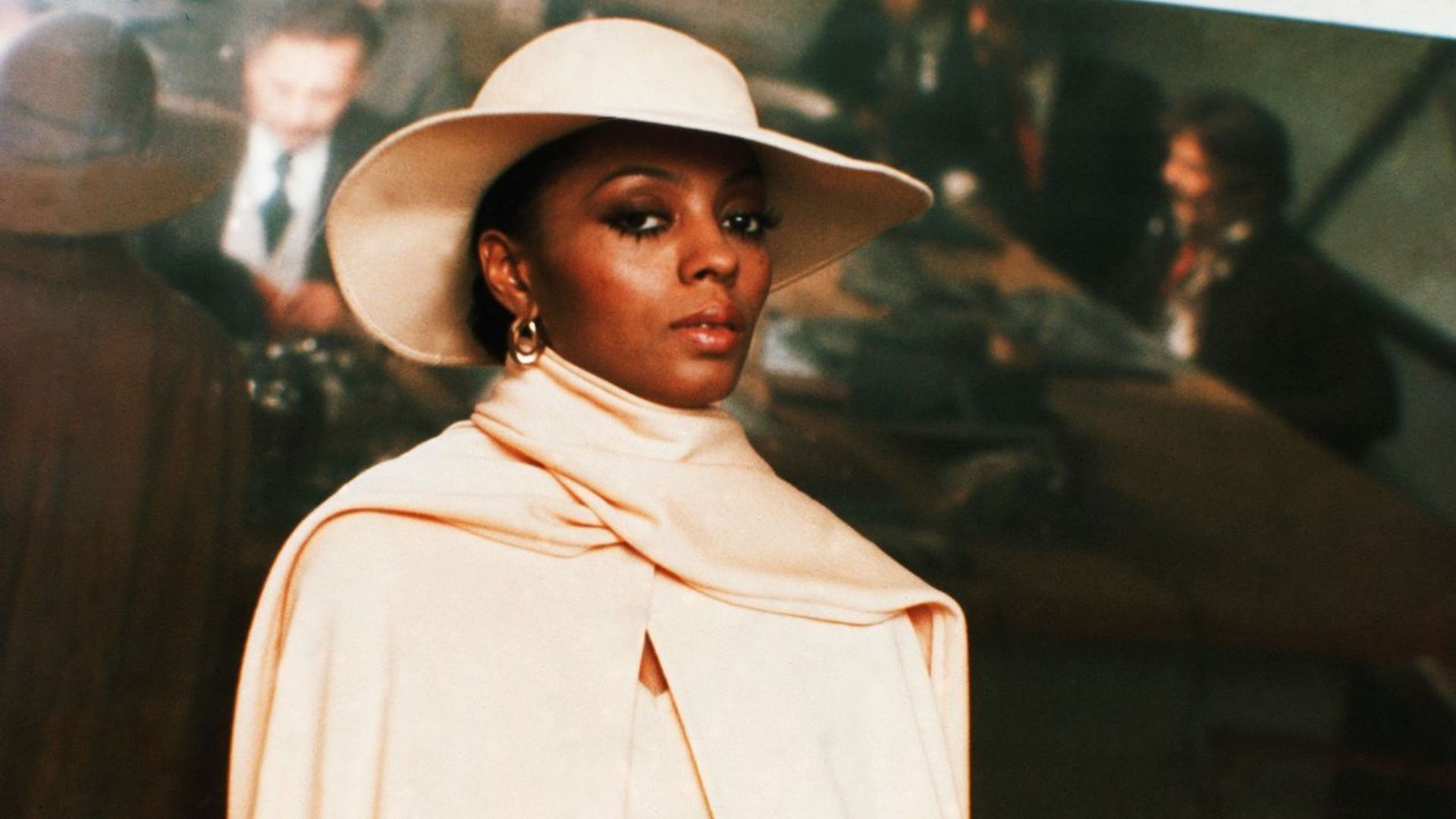
Thescreescore – Anticipation for Lionsgate’s upcoming Michael Jackson biopic, Michael, has been palpable, but a recent disclosure from actress Kat Graham has finally illuminated the intricate reasons behind the absence of legendary singer Diana Ross from the film’s final cut. Graham, who was slated to embody the iconic Motown star, divulged that "legal considerations" proved to be the decisive factor in the removal of her filmed sequences. She acknowledged the inherent difficulties of the situation, commending the production team for their dedication to preserving the narrative amidst these challenges.
The film, which chronicles the life of the King of Pop, features an ensemble cast portraying numerous pivotal figures from the entertainment industry. Kendrick Sampson steps into the shoes of Quincy Jones, Larenz Tate embodies Berry Gordy, Liv Symone portrays Gladys Knight, and Kevin Shinick takes on the role of Dick Clark. Graham, best known for her role as Bonnie Bennett in The Vampire Diaries and for her extensive work in television and music, was poised to add another iconic portrayal to her resume. However, the complexities surrounding the production ultimately dictated a different outcome for her scenes.
Indeed, the journey to bring Michael to the big screen has been fraught with a complex legal landscape since its inception. Early script iterations reportedly delved into the accusations leveled against Jackson, but these elements were ultimately excised. Specifically, the significant allegations made by Jordan Chandler, once a pivotal plot point, became off-limits due to a settlement agreement with the Jackson estate, which explicitly prohibited their inclusion in the cinematic narrative.

Related Post


Consequently, director Antoine Fuqua and screenwriter John Logan made a strategic decision to narrow the film’s scope. Rather than attempting an exhaustive chronicle of Jackson’s entire life, including his later controversies, they opted to concentrate on the formative years of his career, culminating in the zenith of his 1980s superstardom. This pivotal reorientation necessitated a significant script overhaul and subsequent reshoots involving the cast and crew, all in an effort to navigate the delicate balance between storytelling and legal constraints.
Speculation is already rife regarding a potential sequel, contingent on Michael‘s box office success, especially given the initial four-hour cut that was reportedly considered. However, the path forward for any subsequent installment remains fraught with legal ambiguities. As Michael concludes its narrative in the vibrant 1980s, portraying the King of Pop at his commercial peak, the subsequent two decades of Jackson’s life — marked by escalating legal battles, personal turmoil, and his untimely death in 2009 — present a formidable challenge for filmmakers seeking to navigate the permissible boundaries of storytelling. The ongoing legal shadows cast over Jackson’s later years will undoubtedly continue to shape how his legacy can be depicted on screen, making any future cinematic endeavors a tightrope walk between artistic vision and legal reality.






Leave a Comment