
Thescreescore – While the cinematic legacy of Sauron is often defined by a terrifying, armored warlord or a lidless, flaming eye, J.R.R. Tolkien’s original lore offers a much more insidious vision. As Amazon’s The Rings of Power dives deeper into the Second Age, it brings to the forefront a persona that is as elegant as it is lethal: Annatar. For fans accustomed to the brute force of Mordor, the introduction of Sauron’s "fair form" adds a layer of psychological horror to the franchise, proving that the Dark Lord’s most dangerous weapon isn’t a mace, but a mask.
To understand Annatar, one must understand the nature of the Maiar. Long before he was a shadow over Middle-earth, Sauron was a primordial spirit, an immortal being capable of shifting his essence into various physical guises. While he once used these transformations to strike terror into the hearts of his enemies, the Second Age demanded a more subtle approach. He emerged not as a conqueror, but as a benefactor, adopting the name "Annatar"—which translates from Quenya to "Lord of Gifts."
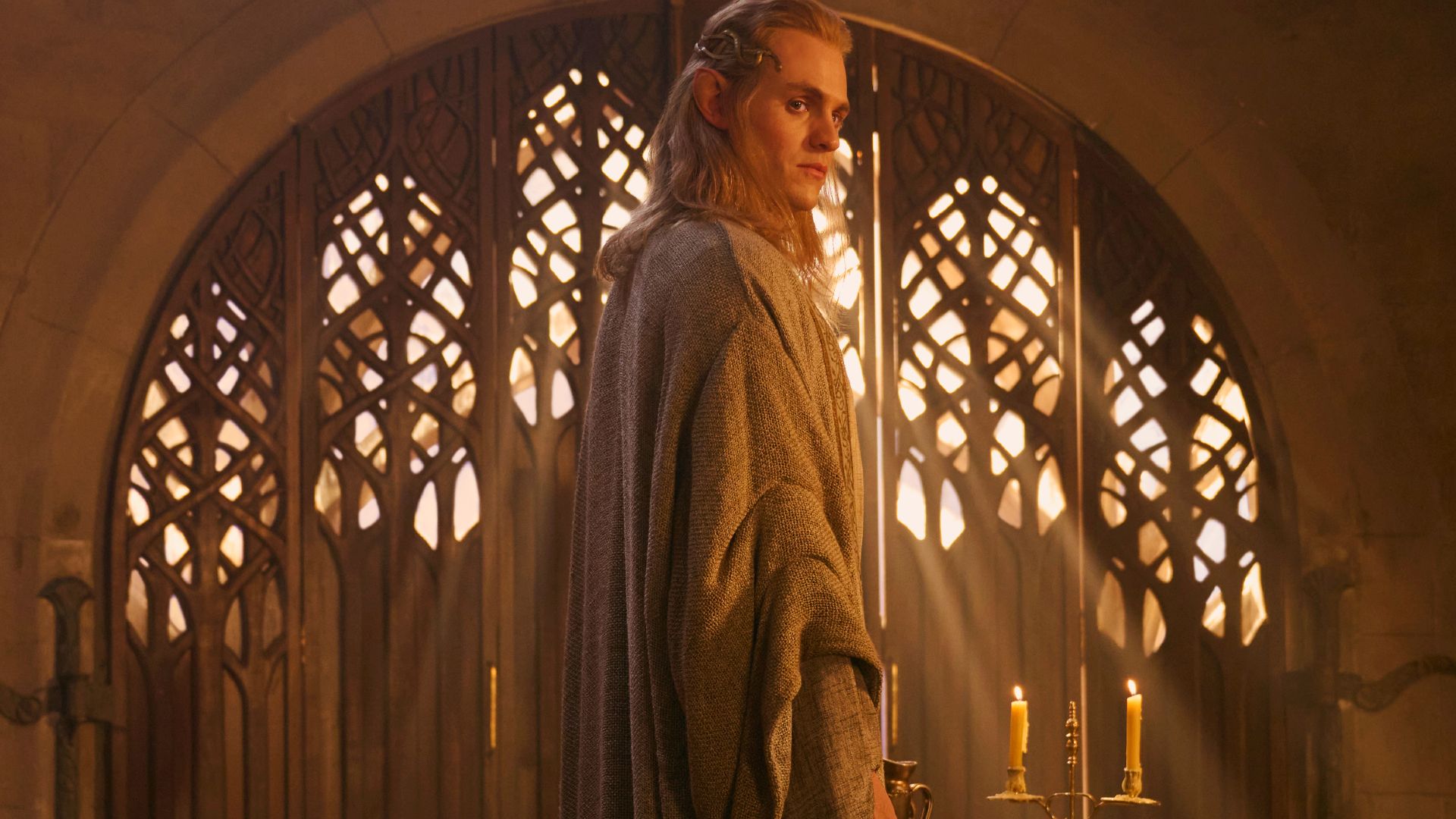
This was a masterstroke of manipulation. By presenting himself as a divine entity of wisdom and craftsmanship, Sauron successfully infiltrated the Elven realms of Eregion. He played upon the Elves’ desire for beauty and preservation, offering his "expertise" to help them forge greatness. As noted by thestudioscore.com, this deception allowed him to guide the creation of the Rings of Power, weaving a subtle thread of corruption into the very fabric of their magic. While legendary figures like Galadriel and Elrond harbored deep suspicions, the deception was so profound that even the most skeptical Elves failed to realize they were hosting the architect of their eventual downfall.

Related Post

The tragedy of Annatar lies in the brilliance of his craft. By masquerading as a peer to the Elven smiths, Sauron was able to influence the creation of the Sixteen Rings, ensuring that his own influence would eventually permeate the world. He didn’t just build rings; he built a trap.
As we look toward the future of The Rings of Power, the narrative trajectory suggests a looming end to this era of deception. Tolkien’s mythology dictates that the fall of Númenor will serve as the death knell for Sauron’s ability to walk among mortals in beauty. Once the island kingdom is swallowed by the sea, the Dark Lord will lose the ability to inhabit a "fair form" forever. From that moment on, his true, corrupted nature will be impossible to hide. For now, however, the era of the "Lord of Gifts" remains, reminding us that in Middle-earth, the most beautiful faces often hide the darkest intentions.






Leave a Comment