
Thescreescore – While many casual viewers view the Orcs of Middle-earth as a monolithic wave of mindless evil, a deeper dive into J.R.R. Tolkien’s legendary lore reveals a much more complex and terrifying biological hierarchy. Far from being a single species, the Orcish legions are a diverse collection of clans, subspecies, and engineered horrors, each serving a specific tactical purpose in the shadow of the Dark Lords.
To understand the sheer scale of the threat faced by the Fellowship, one must look past the generic "goblin" label and examine the distinct lineages that populate the Second and Third Ages.
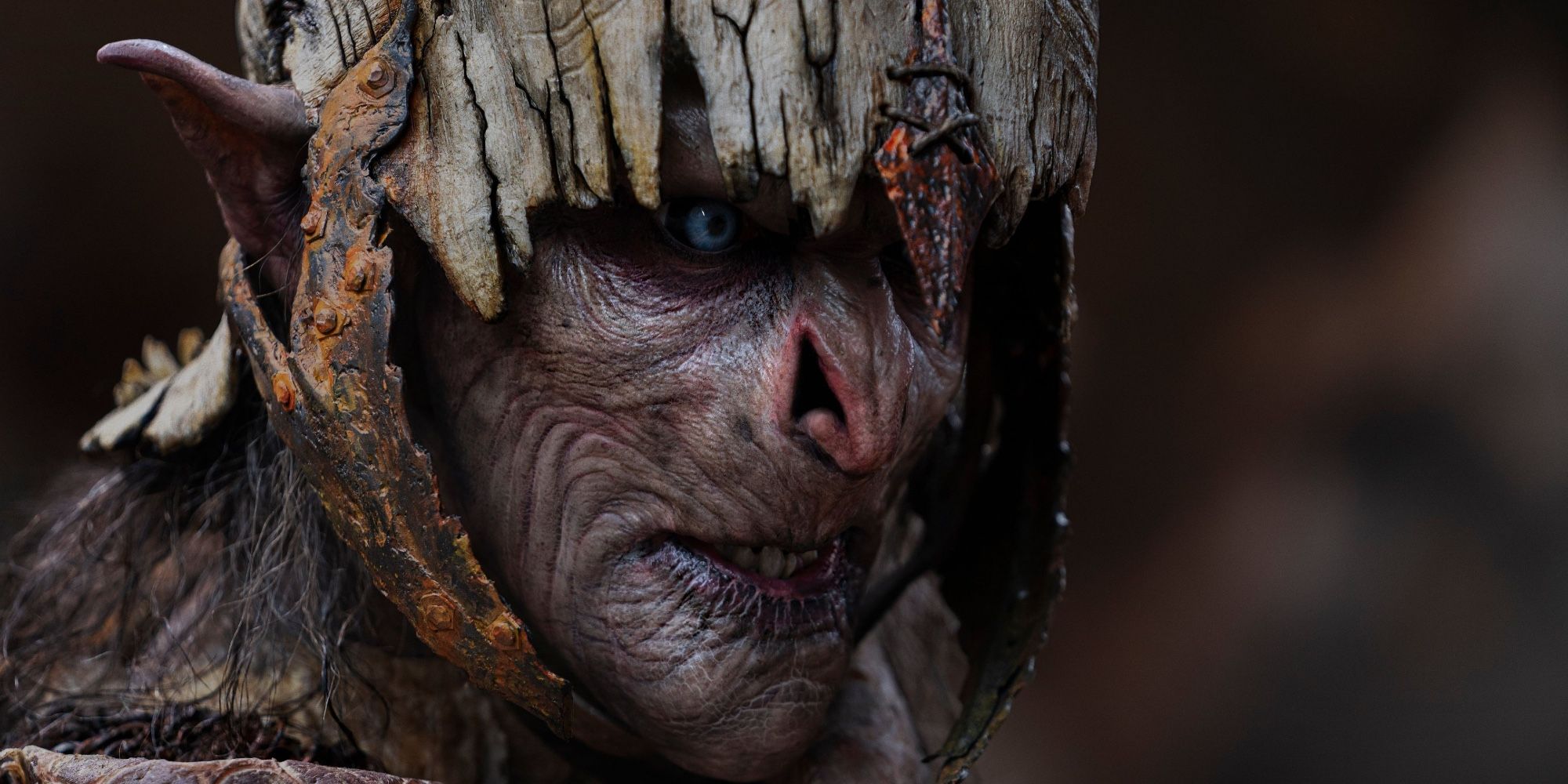
The Ancestral Tribes: Misty Mountains and Mordor
The Misty Mountain Orcs represent one of the oldest lineages, famously clashing with Bilbo Baggins and the Dwarves. These subterranean dwellers, led by figures like the Great Goblin and later Azog, established massive underground empires long before Sauron’s total dominance.

Related Post


In contrast, the Orcs of Mordor serve as the backbone of Sauron’s industrial war machine. Residing in the volcanic shadow of Mount Doom, these creatures are noted for their ability to multiply with frightening speed, providing the endless numbers required to overwhelm the kingdoms of Men.
The Engineered Horrors: Isengard and the Uruk-hai
Perhaps the most cinematic evolution of the species occurred in the pits of Isengard. Under the influence of Saruman the White, the standard Orc was discarded in favor of something far more lethal.
The Uruk-hai stand as the pinnacle of this dark alchemy. Unlike their lesser kin, these elite soldiers possess a terrifying resistance to sunlight, allowing them to hunt during the day—a feat that proved pivotal during the pursuit of the Fellowship. Alongside them were the Half-orcs (or Goblin-men), a disturbing hybrid of Orc and Man that blurred the lines of identity and served as a precursor to the corruption seen later in the Scouring of the Shire.
The Wild Cards: Eastern Orcs and Hobgoblins
Beyond the known borders of the West lie the Eastern Orcs. These tribes remained largely independent after the fall of Morgoth, growing wild, unruly, and exceptionally fierce. Their reputation for cannibalism and unpredictability made them even more feared than the disciplined legions of Mordor.
While the term Hobgoblin remains a subject of intense scholarly debate among Tolkien enthusiasts, it is generally understood to refer to the larger, more formidable breeds of Orcs, bridging the gap between common soldiers and the elite Uruk-hai.
The Bottom of the Food Chain: Snaga and Snufflers
Not every Orc was built for the front lines. The Snaga served as the labor force of Middle-earth, tasked with the grueling work of digging, building, and hauling. Even smaller were the Snufflers, specialized trackers with an uncanny sense of smell. While they lacked the brute strength of a Uruk, their ability to scent a target made them indispensable for long-range reconnaissance and pursuit.
From the lowly Snuffler to the sun-walking Uruk-hai, the Orcs of Middle-earth are not just a horde—they are a sophisticated, terrifyingly varied ecosystem of malice.




Leave a Comment