
Thescreescore – While the cinematic landscape is saturated with jump scares and predictable slashers, the true essence of cosmic horror—the terrifying realization of human insignificance—remains a difficult frontier for filmmakers to conquer. Even visionaries like Guillermo del Toro and Mike Flanagan have expressed a desire to tackle the H.P. Lovecraft mythos, yet the genre’s greatest hurdle remains its very foundation: how do you visually depict something that is, by definition, "indescribable" and "unnamable"? Most attempts fall into the trap of being either too vague to be impactful or too literal, stripping the mystery away. However, Netflix’s Archive 81 has emerged as a masterclass in atmospheric dread, proving that you don’t need to show a monster to make an audience feel utterly powerless.
In just eight chilling episodes, Archive 81 manages to do what few high-budget productions can: it captures the "eldritch" soul of Lovecraftian terror. The series follows Dan Turner, an archivist tasked with the painstaking restoration of damaged videotapes from 1994. As he delves into the footage of filmmaker Melody Pendras, he isn’t just restoring media; he is inadvertently opening a door to a multidimensional nightmare. The tapes function much like a modern-day Necronomicon, pulling the protagonist into a spiral of forbidden knowledge that threatens his very sanity.
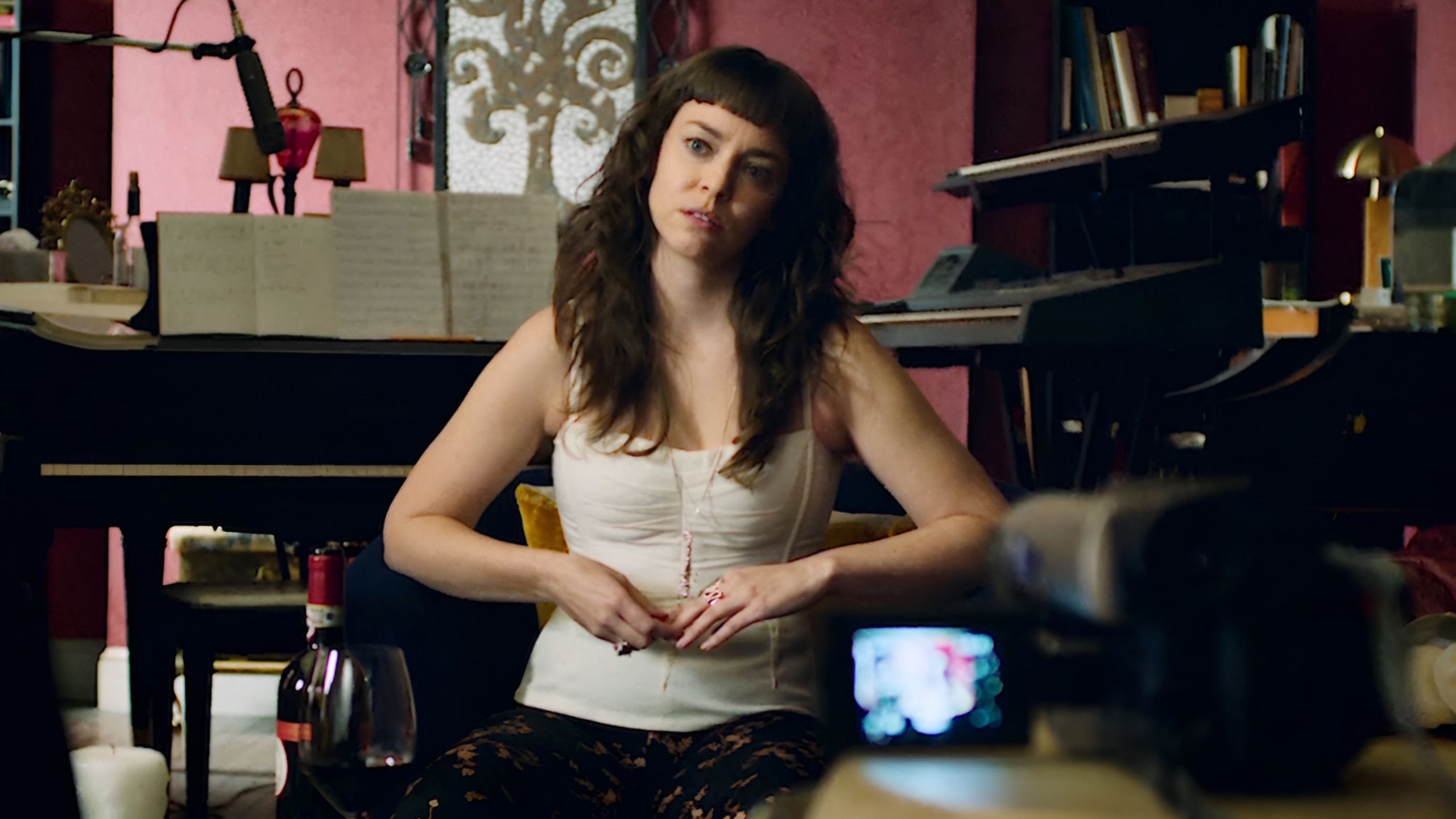
The brilliance of the series lies in its thematic fidelity to Lovecraft’s philosophy. Much like the Great Old Ones in The Call of Cthulhu, the entity Kaelego is portrayed with a chilling indifference to human existence. The cult members within the Visser apartment building are depicted not as all-powerful villains, but as deluded, fragile beings caught in the orbit of a god that doesn’t even know they exist. This sense of cosmic apathy is the heartbeat of true horror.

Related Post


Visually and auditorily, the show pays homage to the masters. The creeping, infectious moss that permeates the Visser building serves as a haunting nod to the psychological contagion seen in The Color Out of Space. Furthermore, the show utilizes sound design to echo the unsettling themes of The Music of Erich Zann, turning audio into a conduit for something ancient and malevolent.
By employing a found-footage narrative structure, Archive 81 cleverly bypasses the "visual limitation" problem. Instead of relying on cheap CGI to show a monster, it uses distorted audio and fragmented video to manipulate the viewer’s perception. It forces us to confront the unknown, honoring Lovecraft’s most famous sentiment: that the oldest and strongest fear is the fear of the unknown. For fans of psychological depth and existential dread, this eight-episode descent into madness is essential viewing.






Leave a Comment