
<strong>Thescreescore – </strong>In the visceral, high-stakes landscape of Paramount+’s Mayor of Kingstown, some of the most impactful characters are the ones we never actually see. Terry, a prison guard allegedly linked to the Aryan Brotherhood, serves as a haunting example of this narrative technique. Though he remains an off-screen figure, his violent demise during the chaotic Season 1 prison riots acts as a seismic catalyst, shifting the trajectory of the series and deepening the moral decay surrounding its protagonist, Mike McLusky.
Played by Jeremy Renner, Mike operates in the gray areas of Kingstown, Michigan—a town where incarceration is the primary economy and peace is merely a temporary truce between warring factions. Terry’s death, occurring amidst the smoke and blood of a massive uprising, becomes a lightning rod for grief and vengeance. His widow, Allison, emerges as a pivotal force of resentment, placing the weight of her husband’s death squarely on Mike’s shoulders. To Allison, Mike isn’t just a mediator; he is a power broker whose very presence and manipulations make such explosive violence inevitable.
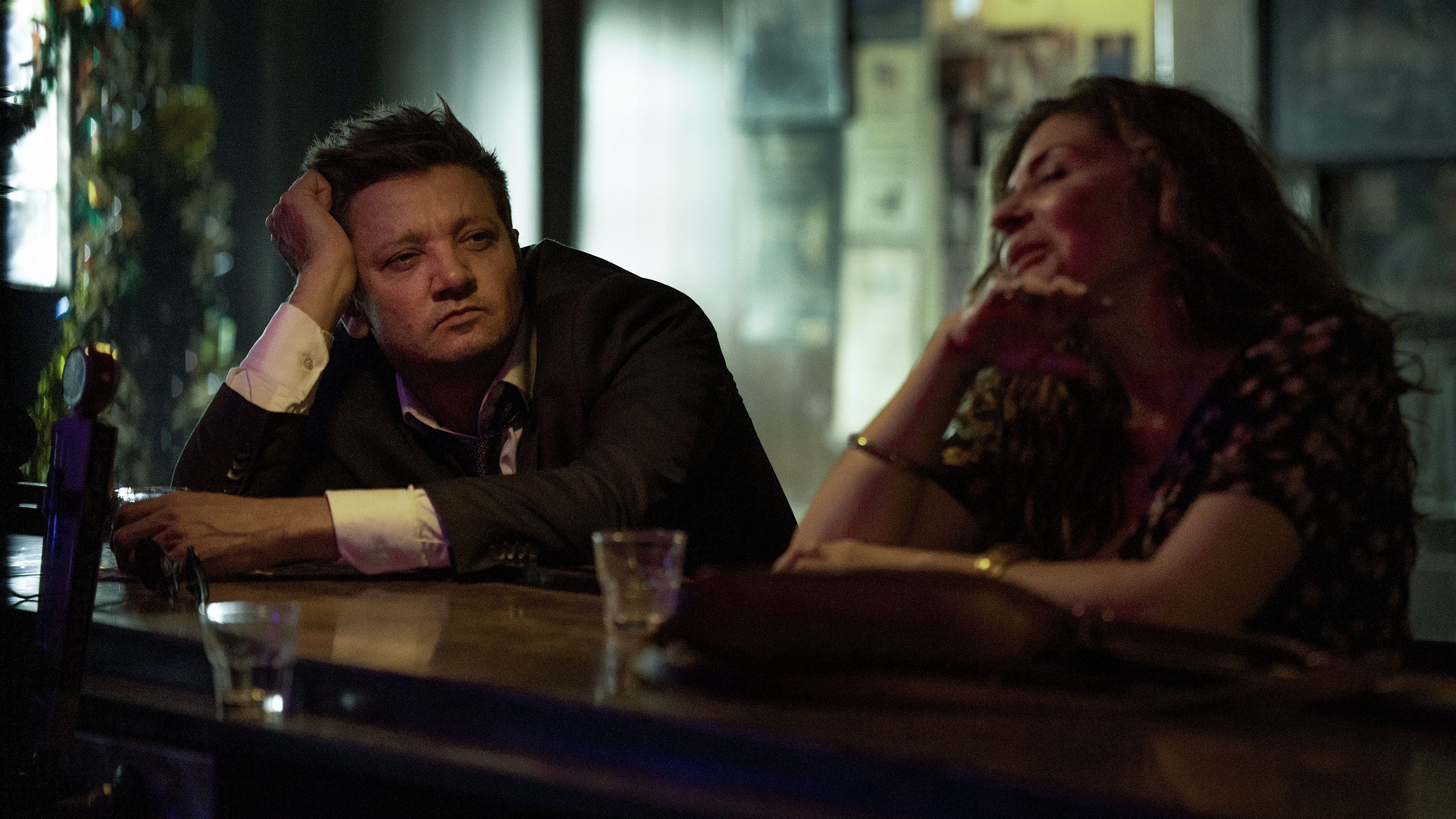
The question of Mike’s culpability is where the show’s sophisticated writing truly shines. While Mike lacks the logistical control to prevent every riot, the series suggests a deeper, ethical complicity. By navigating the underworld to maintain a fragile order, he becomes an architect of the very system that claimed Terry’s life. This ambiguity forces the audience to confront a difficult truth: in Kingstown, innocence is a luxury no one can afford.

Related Post


This tragedy takes an even darker turn in Season 2, specifically in the episode "Santa Jesus." As Mike faces an assassination attempt, he demonstrates the ruthless pragmatism that defines his survival instinct. In a move that highlights his moral flexibility, Mike utilizes Allison—driven by her connection to the Brotherhood and her hatred for him—to flush out his would-be killer. It is a chilling sequence that proves Mike is willing to weaponize personal trauma to protect his own life, effectively turning a grieving widow into a tactical pawn.
While some viewers on social media have noted that Terry himself felt more like a plot device than a fully realized human being, his "absence" is precisely what makes him significant. He represents the collateral damage of Mike’s lifestyle. Ultimately, Terry’s death isn’t just about a man lost to a riot; it is a masterclass in how the ripples of a single violent act can dismantle the lives of those left behind, while simultaneously driving the protagonist deeper into the shadows of his own making.






Leave a Comment