
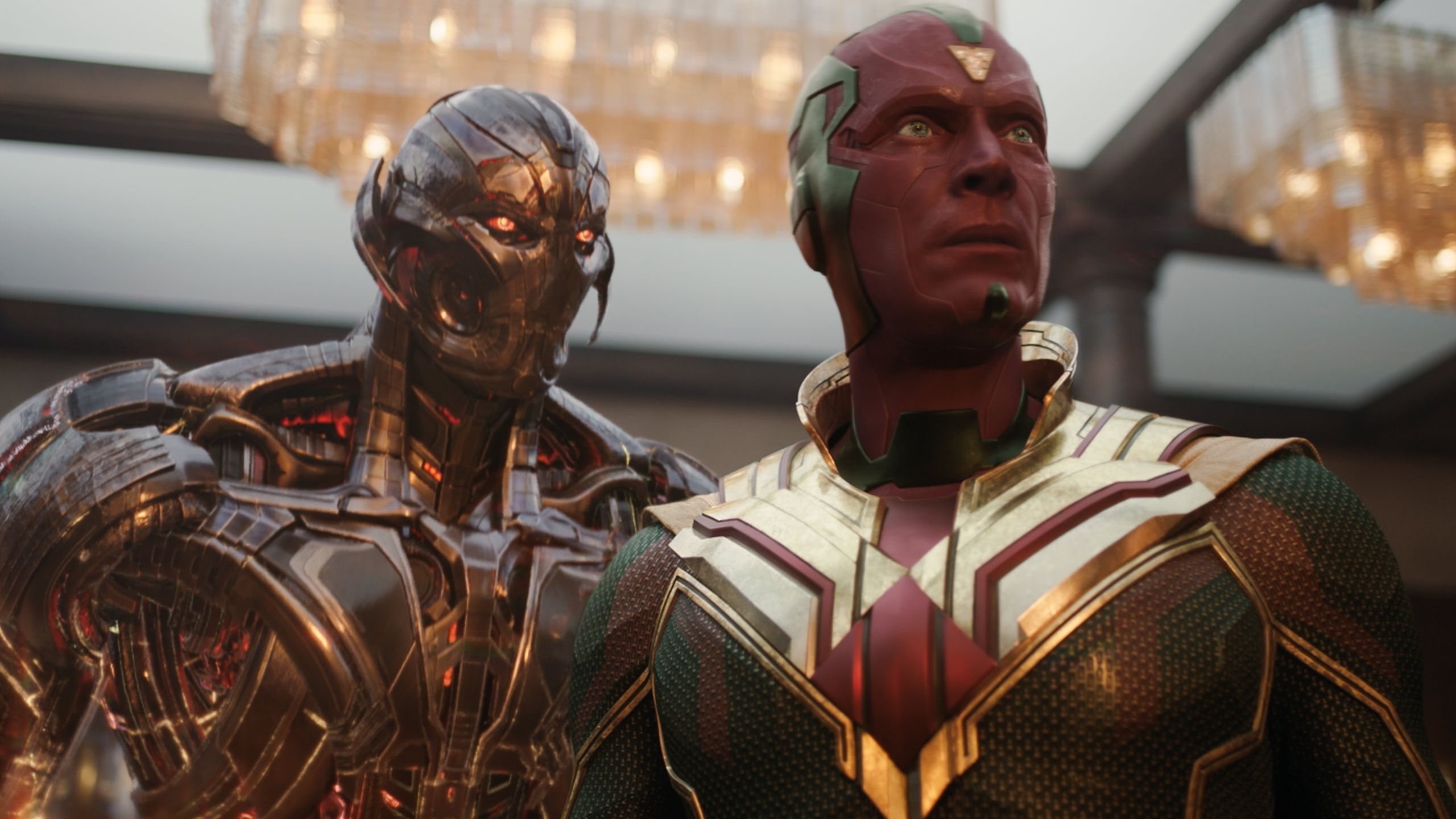
<strong>Thescreescore – </strong>Marvel’s VisionQuest has officially reached its crescendo, bringing the emotional WandaVision trilogy to a definitive close while simultaneously launching a transformative new era for the synthezoid. The eighth and final episode is nothing short of a masterclass in fan service, weaving a dense tapestry of over 130 Easter eggs, comic book nods, and profound connections to the broader Marvel Cinematic Universe. From deep-cut references to the legacy of Avengers: Age of Ultron to shocking teases for the future of the franchise, the finale is a labyrinth of cinematic rewards for the observant viewer.
The episode serves as a bridge between eras, masterfully linking the current narrative to foundational MCU pillars like WandaVision, Agatha All Along, and Infinity War. Showrunner Terry Matalas has crafted a finale that doesn’t just look backward, but aggressively points toward what is coming next. Beyond the heavy-hitting MCU ties, the episode is peppered with clever nods to Matalas’s previous work and even some high-concept pop culture humor, including sharp-witted computer puns and classic animation references.
One of the most significant narrative payoffs involves the Maximoff lineage. The introduction of Billy Maximoff (played by Joe Locke) via a "dreambinding" spell provides a breathtaking connection to the events of Agatha All Along. As Billy searches for his brother Tommy, the show expands the magical lore of the MCU, utilizing abilities like astral projection and portal creation that echo the mastery of Doctor Strange and Wanda herself. The setting of New Jersey further tightens the web, subtly linking the characters to the world of Ms. Marvel.

Related Post


For the technical cinephiles, the "UltraVision" sequence is a standout achievement. By constructing a simulated television reality to assist Ultron in processing his grief, the show delivers a massive homage to the sitcom genre. This sequence features 102 rapid-fire episode titles, blending classic sitcom tropes with clever nods to Matalas’s filmography. The production even manages to slip in comic-accurate details, such as the appearance of Sparky, Vision’s iconic synthetic canine, and a costume redesign for Vision that finally aligns with his classic comic book aesthetic.
However, the true seismic shift occurs in the post-credits sequence. In a move that will undoubtedly send shockwaves through the fandom, the show revisits the tragic events at Mount Wundagore from Doctor Strange in the Multiverse of Madness. Rather than a simple memory, we witness Doctor Doom intervening to rescue and revive Wanda Maximoff. This chilling revelation sets the stage for Avengers: Doomsday, suggesting that Wanda may emerge not as a hero, but as a key player in Doom’s burgeoning empire. As the series concludes, it leaves us with a profound sense of evolution: Vision has found his identity, Ultron has found a new purpose, and the MCU has found its next great conflict.






Leave a Comment