
<strong>Thescreescore – </strong>In an era where streaming giants like Netflix, Apple TV+, and Prime Video bombard us with a relentless parade of high-budget science fiction, it is remarkably easy to overlook the masterpieces of the past. We are currently drowning in a sea of prestige genre content—from the cerebral puzzles of Severance to the sprawling worlds of Foundation and Fallout. Yet, amidst this modern deluge, one of the most intellectually stimulating sci-fi offerings of the last decade remains criminally undervalued: the BBC’s 2018 miniseries, The City and the City.
While many viewers are currently preoccupied with the latest cyberpunk spectacles or big-budget adaptations, this four-hour odyssey has only gained momentum with time. Based on the celebrated "weird fiction" novel by China Miéville, the series presents a concept so audacious it feels almost impossible to translate to the screen. It depicts two fictional Eastern European cities, Besźel and Ul Qoma, which occupy the same physical space yet exist in total social and legal isolation. Through a psychological phenomenon known as "unseeing," citizens are trained to ignore the presence of the other city, even when walking past its inhabitants.
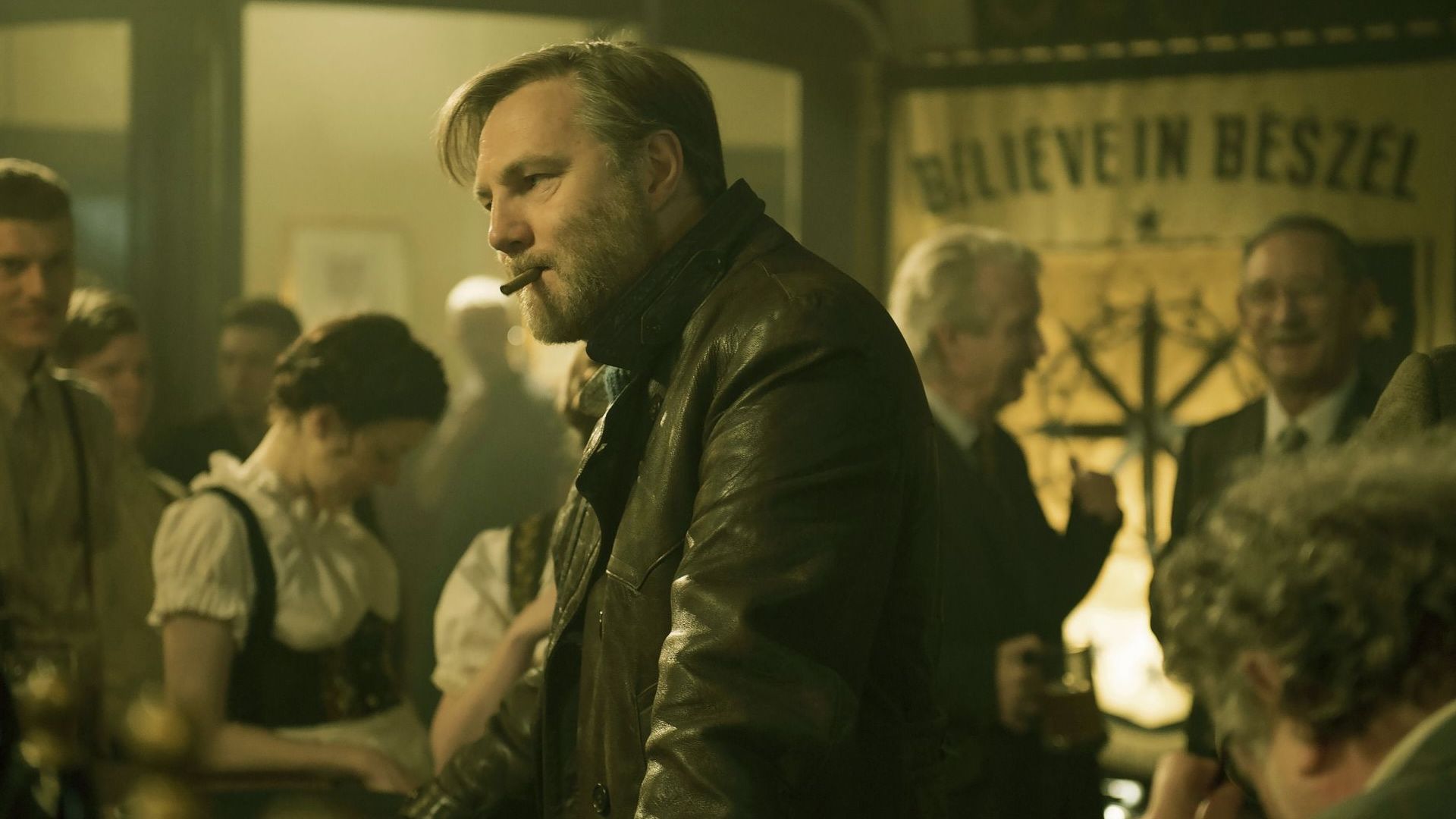
The narrative follows Tyador Borlú (played with grounded intensity by David Morrissey), a detective in Besźel who becomes entangled in a murder investigation that threatens to shatter the fragile boundaries between these overlapping worlds. The result is a genre-bending experience that sits at the intersection of a gritty police procedural and a mind-bending philosophical inquiry, reminiscent of the atmospheric dread found in the works of Philip K. Dick or George Orwell.

Related Post


Adapting Miéville’s prose was no small feat. While the original novel used linguistic gymnastics to force the reader into a state of disorientation, the BBC production utilizes clever visual cues—such as contrasting color palettes and blurred backgrounds—to help the audience navigate the dual realities. Some critics argued this made the concept more accessible, but in doing so, the series managed to achieve something rare: it made a deeply "weird" and complex premise digestible without stripping away its haunting, allegorical power.
As we look back from the vantage point of the mid-2020s, The City and the City stands as a testament to the strength of high-concept, character-driven storytelling. It is a sophisticated, unsettling, and profoundly intelligent piece of television that proves great sci-fi doesn’t always need a massive budget to leave a lasting impact on the psyche. If you haven’t yet ventured into the streets of Besźel and Ul Qoma, now is the perfect time to look back and discover a hidden gem that is aging far more gracefully than its contemporaries.






Leave a Comment