
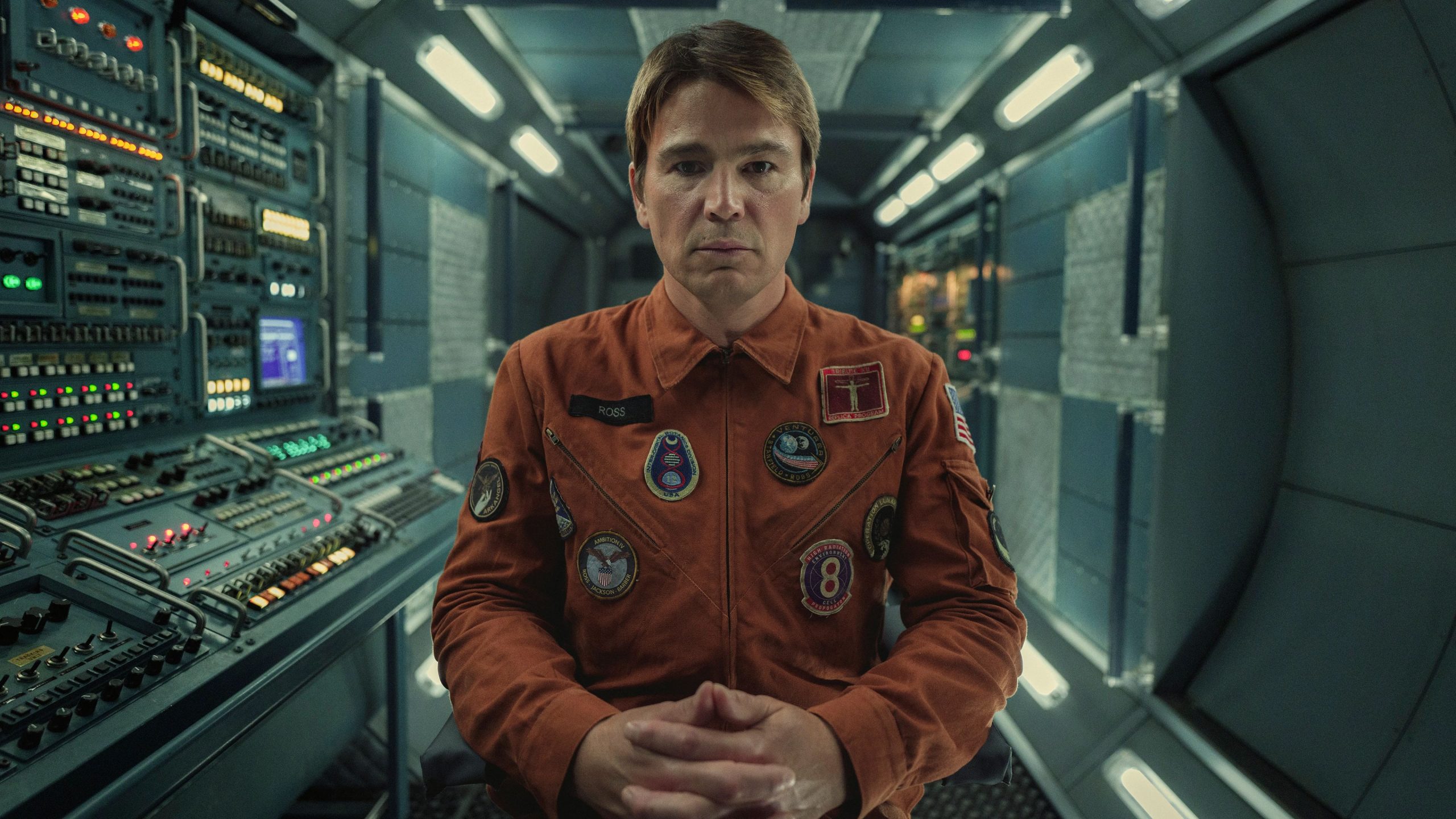
Thescreescore – In the realm of speculative fiction, worldbuilding is the bedrock upon which all tension is built. For a dystopian narrative to truly resonate, it cannot merely rely on a frightening antagonist or a crumbling skyline; the very fabric of its reality must feel suffocatingly plausible. While literary giants like George Orwell utilized the psychological weight of 1984 to define the genre, modern television has often struggled to replicate that visceral sense of dread. We have seen formidable entries like The Handmaid’s Tale and the complex temporal puzzles of 12 Monkeys, yet one series manages to achieve a level of atmospheric mastery that remains unparalleled.
Charlie Brooker’s Black Mirror has transcended the boundaries of mere television, becoming a cultural shorthand for the anxieties of the digital age. Spanning seven seasons and a feature-length interactive film across Channel 4 and Netflix, the series has achieved something quite remarkable. Most sci-fi epics rely on serialized storytelling, using dozens of hours to meticulously construct their lore. Brooker, however, has mastered the art of the "micro-dystopia." Despite its anthology format—where every episode resets the clock—Black Mirror constructs worlds that feel more lived-in and terrifying than many multi-season sagas.
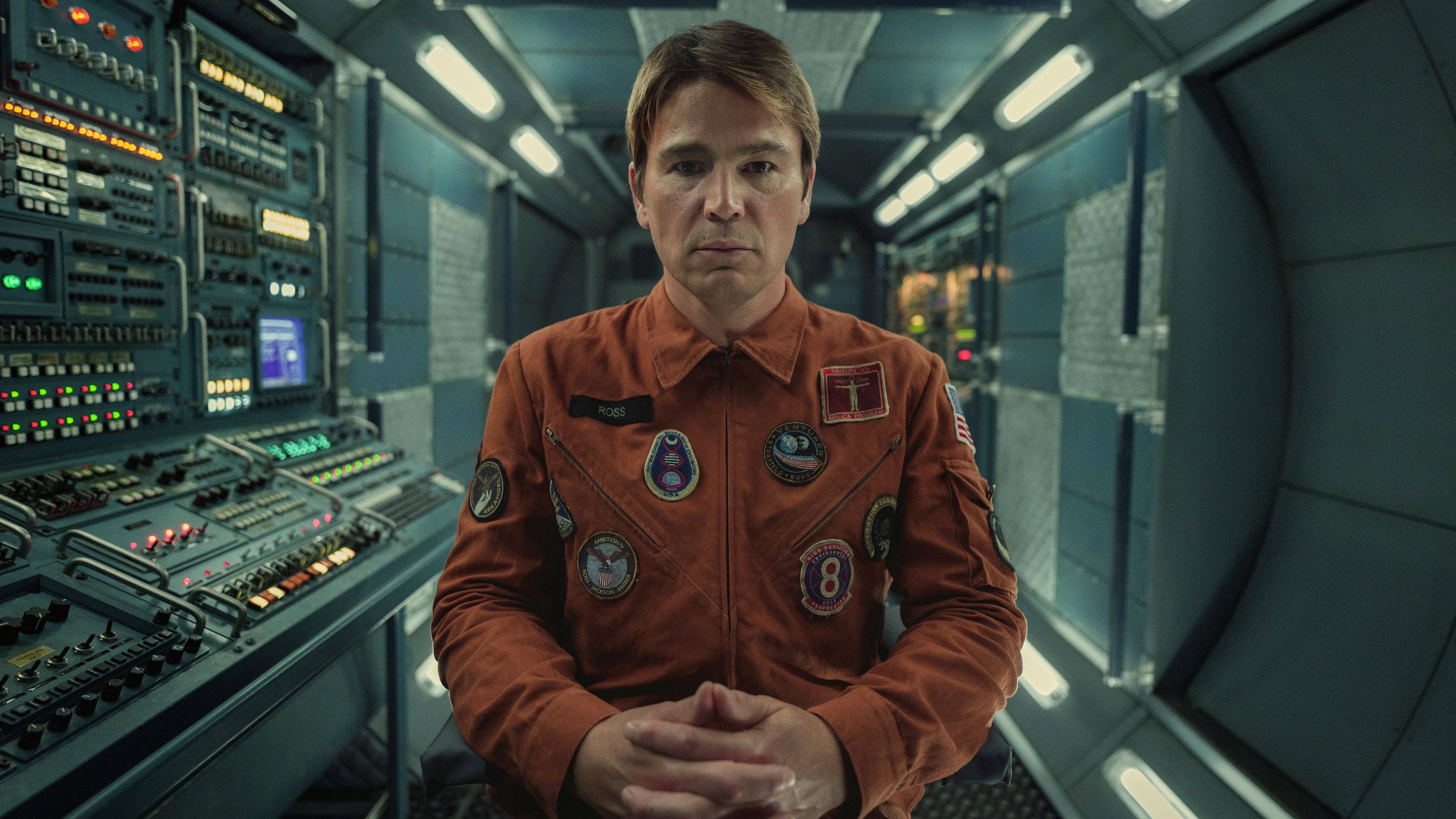
The brilliance of the series lies in its refusal to get bogged down in exposition. Instead of delivering lengthy lectures on how society collapsed, Black Mirror focuses on the human wreckage left in the wake of progress. Take, for instance, the episode "Metalhead." We are never told the origin of the mechanical predators or the exact catalyst for the societal breakdown, yet through Maxine Peake’s harrowing performance, the desperation of the setting is palpable. The show understands a fundamental truth: it is far more effective to show how a world destroys an individual than to explain how the world ended.

Related Post


This intimate approach mirrors the most effective psychological horror. By centering the narrative on personal devastation—much like Orwell did with Winston Smith—the show forces the viewer to inhabit the nightmare. Furthermore, the series plays expertly with the "unseen." There is a haunting, connective tissue suggested between episodes, a sense that these disparate tragedies are all symptoms of a singular, creeping rot. Whether it is the subtle nods connecting Bandersnatch to later installments or the grim implications of causality found in earlier episodes, Black Mirror leaves the audience with a lingering, existential unease. It doesn’t just build worlds; it builds anxieties that stay with you long after the screen goes dark.





Leave a Comment