
Thescreescore – Since his explosive debut in 1962, the Hulk has served as a cornerstone of the Marvel Universe, evolving from a misunderstood brute into a complex psychological icon. While mainstream audiences may know him through the lens of the Marvel Cinematic Universe or cult-classic television, the true soul of Bruce Banner has always been forged in the ink and paper of his comic book history. Despite being notoriously difficult for writers to navigate, several legendary creative teams have managed to tame the beast, delivering runs that redefined the character for generations.
Here is a look at the nine most transformative eras of the Incredible Hulk.
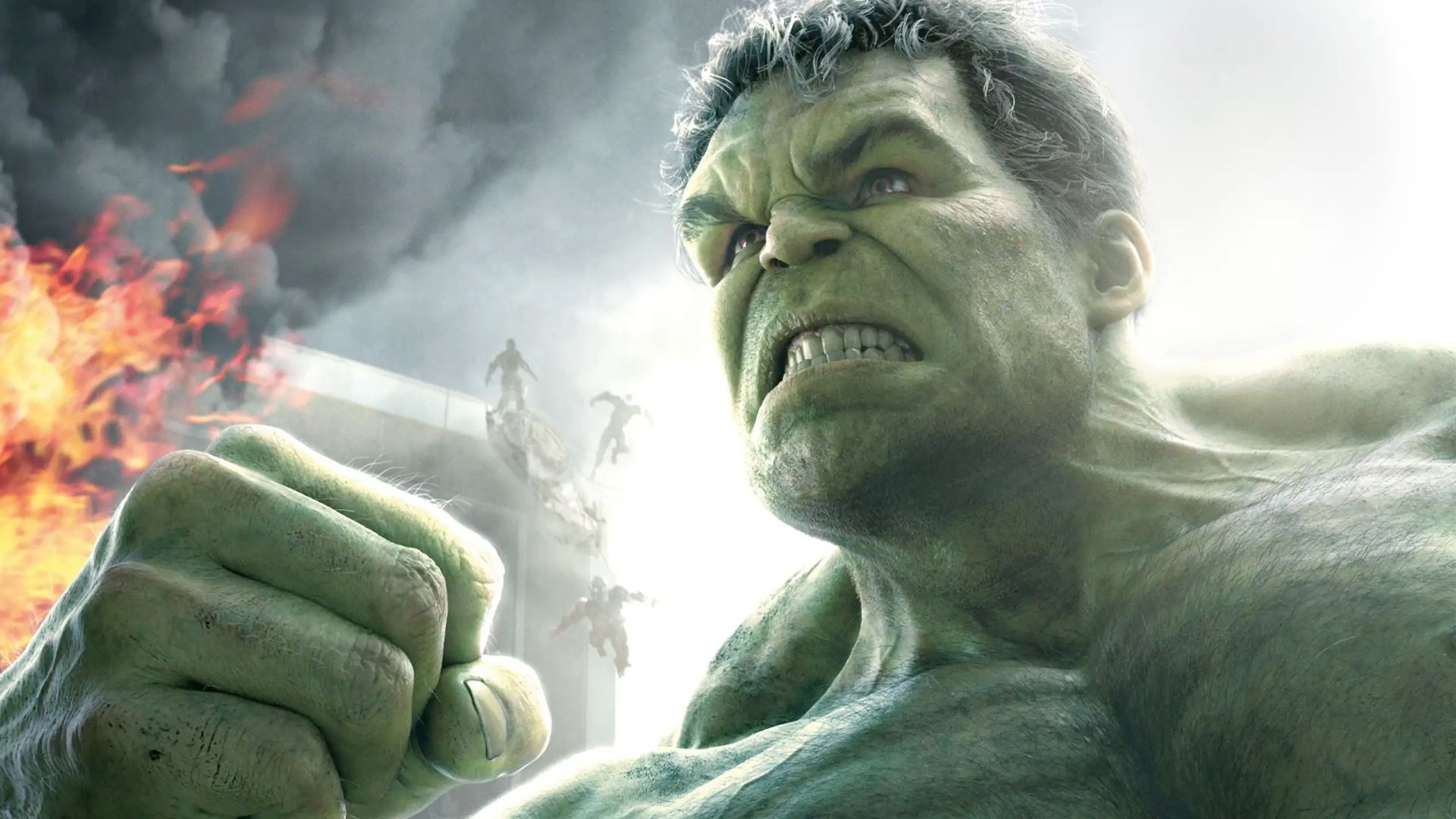
1. The Genesis: Stan Lee and Jack Kirby
Every legend has a beginning, and for the Hulk, it was a masterclass in Silver Age storytelling. Drawing inspiration from the duality of Dr. Jekyll and Mr. Hyde, Lee and Kirby introduced a hero born of atomic dread. Kirby’s kinetic, larger-than-life art elevated Lee’s script, turning a gamma-irradiated accident into a haunting tale of pathos and horror. This inaugural run remains the gold standard for superhero origin stories.

Related Post


2. The Definitive Aesthetic: Len Wein and Herb Trimpe
If the Hulk has a "true" look, it was likely sculpted by Herb Trimpe. Holding a record-breaking seven-year tenure, Trimpe’s dynamic pencils became synonymous with the character. Paired with the prolific writing of Len Wein, this era didn’t just sustain the Hulk’s popularity; it also gave us the debut of a certain clawed mutant named Wolverine, proving the era’s massive impact on the Marvel mythos.
3. Psychological Depth: Bill Mantlo and Sal Buscema
In the 1980s, Bill Mantlo took the Hulk away from simple smash-and-grab adventures and dove into the fractured psyche of Bruce Banner. By introducing the trauma of Banner’s father, Brian, Mantlo added a layer of tragedy that persists to this day. This era also saw experimental shifts, including a period where the Hulk possessed Banner’s intellect and a return to the classic gray skin tone.
4. The Long Reign: Peter David and Collaborators
For many enthusiasts, Peter David is the Hulk. Over an unprecedented 12-year run, David explored the complex, often adversarial relationship between man and monster. Working with titans like Todd McFarlane and Dale Keown, David introduced various personas, from the street-smart "Mr. Fixit" to the hyper-intelligent "Professor Hulk," ensuring the character never felt stagnant.
5. The Horror Revival: Bruce Jones and John Romita Jr.
As the character transitioned toward the big screen in the early 2000s, Bruce Jones steered the comics back toward their dark, suspenseful roots. Influenced by the 1970s TV series, Jones utilized a "slow burn" narrative style that emphasized the Hulk as a fugitive. This run leaned heavily into psychological horror, providing a sophisticated change of pace for long-time readers.
6. Cosmic Conquest: Greg Pak and Carlo Pagulayan
Greg Pak delivered one of the most cinematic eras in modern comics. By sending the Hulk into space via the Illuminati, Pak crafted the epic Planet Hulk saga. This run transformed the Hulk from a wandering loner into a gladiator king, a narrative arc that famously served as a blueprint for the visual language of Thor: Ragnarok.
7. The SHIELD Operative: Mark Waid and Various Artists
During the "Marvel Now!" era, Mark Waid reimagined the Hulk as an asset to SHIELD. This "Indestructible Hulk" period was uncharacteristically high-spirited, treating the character as a powerhouse agent rather than a tragic victim. It was a refreshing, action-oriented detour that showcased the Hulk’s potential as a proactive hero.
8. The Mythic Masterpiece: Al Ewing and Joe Bennett
The Immortal Hulk is widely regarded as a modern masterpiece. Ewing and Bennett moved beyond simple superheroics to embrace cosmic and body horror, weaving a complex tapestry of gamma-based mythology. It was a rare, self-contained epic that felt both terrifying and profoundly human, leaving many wondering if the character could ever top such a definitive run.
9. The Monster King: Philip Kennedy Johnson and Nic Klein
Continuing the dark momentum of his predecessors, Philip Kennedy Johnson and Nic Klein have leaned into the Lovecraftian elements of the character. By positioning the Hulk as a leader of Earth’s monsters, they have embraced the "Infernal Hulk" concept, ensuring that even as new creative teams prepare to take the reins, the character remains firmly rooted in his most primal, terrifying essence.






Leave a Comment