

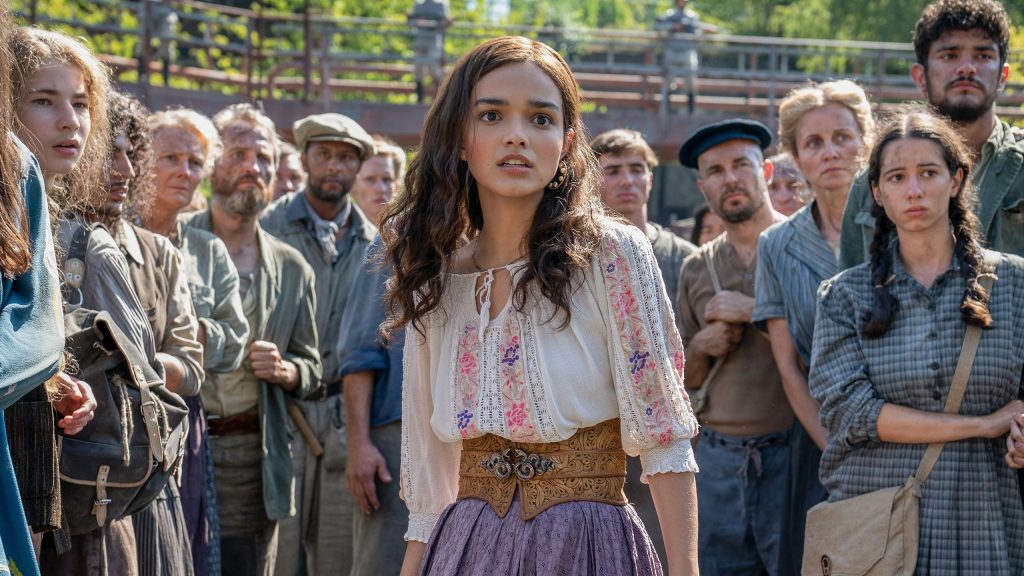
<strong>Thescreescore – </strong> While the cinematic adaptation of The Hunger Games: Sunrise on the Reaping has arrived with a triumphant roar at the box office, die-hard fans of Suzanne Collins’ prose may find themselves reeling. Despite the film’s critical acclaim and its undeniable loyalty to the spirit of the franchise, a deep dive into the source material reveals a series of drastic departures. From sanitized violence to omitted character beats, the transition from page to screen has fundamentally reshaped the narrative landscape. Here is a breakdown of the most significant alterations made in this latest installment.
1. A Sanitized Arena: The Loss of Visceral Horror

Perhaps the most jarring shift for readers is the film’s noticeable reduction in gore. The book is unapologetically brutal; for instance, the squirrel attack on Ampert leaves nothing but bone, and Silka’s actions are depicted with stomach-churning graphic detail. The film, seemingly aiming for a broader demographic, softens these edges, trading the visceral terror of the arena for a more tempered, PG-13 sensibility that arguably undermines the true cruelty of the Games.
2. Diminished Bonds: Haymitch and Maysilee
The emotional core of the novel lies in the burgeoning, sibling-like connection between Haymitch and Maysilee Donner. While the film captures their chemistry, it lacks the quiet, connective tissue found in the book—such as their shared vigils and explicit declarations of kinship. By compressing their time together, the film loses some of the profound intimacy that makes their eventual struggle so heartbreaking.

Related Post


3. The Missing Tribute Scores
In the world of Panem, numbers carry weight. The book emphasizes the importance of tribute scores, specifically highlighting Haymitch’s devastating "1," which signaled the Capitol’s immediate hostility toward him. By omitting the scores and the strategic importance of sponsors and gifts, the film misses a vital layer of the political chess match being played within the arena.
4. The Erasure of Lou Lou’s Horror
The character of Lou Lou serves as a chilling testament to Capitol depravity. In the novel, she is a District 11 transplant controlled via earpieces and drug pumps—a living puppet. The film strips away these mechanical horrors, making her presence feel less like a systemic violation and more like a standard tragedy, ultimately removing the necessity for Haymitch’s grim mercy kill.
5. The Gamemaker Rebellion Omitted
One of the most subversive moments in the book is the act of pure defiance where tributes Maritte and Maysilee kill three Gamemakers who enter the arena. This act of rebellion is a massive turning point for the narrative tension. By removing this, the film shifts the motivation behind Maysilee’s death from a consequence of political defiance to a mere tool for personal retribution against Haymitch.
6. The Vanished Chocolate Scene
Character depth is often found in small gestures. In the book, Haymitch overhears the Career tribute, Silka, crying and dropping chocolate—a moment that humanizes the "villains" of the Games. Without this scene, Silka remains a one-dimensional antagonist rather than the terrified child the book portrays her to be.
7. A Different Epilogue
While the film successfully brings back the iconic Katniss and Peeta for a sense of closure, it leaves out a poignant detail from the novel’s epilogue. The book features Katniss bringing goose eggs to Haymitch as a tribute to his lost love, Lenore Dove. This omission removes a final, subtle layer of healing and remembrance.
8. The Absence of Lucy Gray’s Legacy
Fans were eager to see a visual connection to the events of The Ballad of Songbirds and Snakes. In the book, Haymitch is forced to witness Lucy Gray’s Games, a traumatic experience that lingers with him. The film’s decision to bypass this footage—despite how easily it could have been integrated—leaves a gap in the historical continuity of the franchise.
9. Reimagined Confrontations with Snow
The psychological warfare between Haymitch and President Snow is handled differently on screen. In the novel, Snow’s knowledge of the Covey is revealed through subtle, unsettling inquiries. The film opts for a more direct approach where Snow’s omniscience is immediately apparent, changing the tension from a slow burn to an overt confrontation.
10. The Nuances of Grief
Finally, the portrayal of Haymitch’s mourning for Lenore Dove undergoes a tonal shift. The book describes a grueling, stationary vigil where Haymitch remains atop her grave from sunrise to sunrise. While the film captures his sorrow, it lacks that specific, haunting image of total, motionless devastation that defines his character’s long-term trauma.





Leave a Comment