
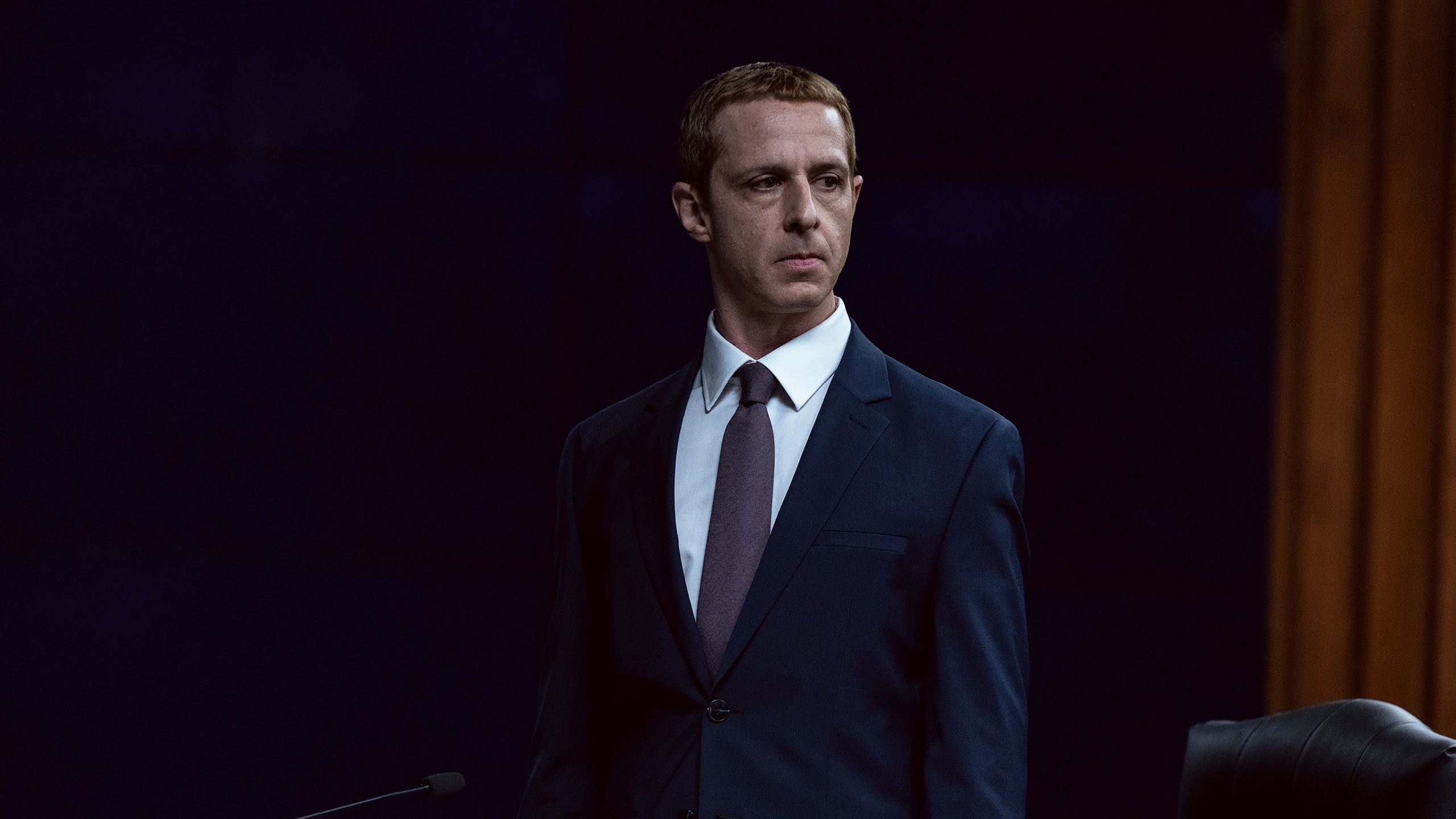
Thescreescore – The digital landscape that birthed a phenomenon is set to receive a starkly different cinematic treatment, as Aaron Sorkin’s highly anticipated companion piece to "The Social Network," titled "The Social Reckoning," has officially received an R-rating. This significant tonal shift from the Oscar-winning 2010 original, which garnered a PG-13, signals a deeper, potentially more unflinching dive into the controversial latter-day history of Facebook.
The original "Social Network," masterfully directed by David Fincher and penned by Sorkin, captivated audiences by chronicling the audacious genesis of Facebook and Mark Zuckerberg’s meteoric ascent. Over fifteen years later, "The Social Reckoning" promises to explore a far more turbulent chapter, with Sorkin himself stepping into the dual role of writer and director, a move that amplifies the auteur’s singular vision for this narrative.
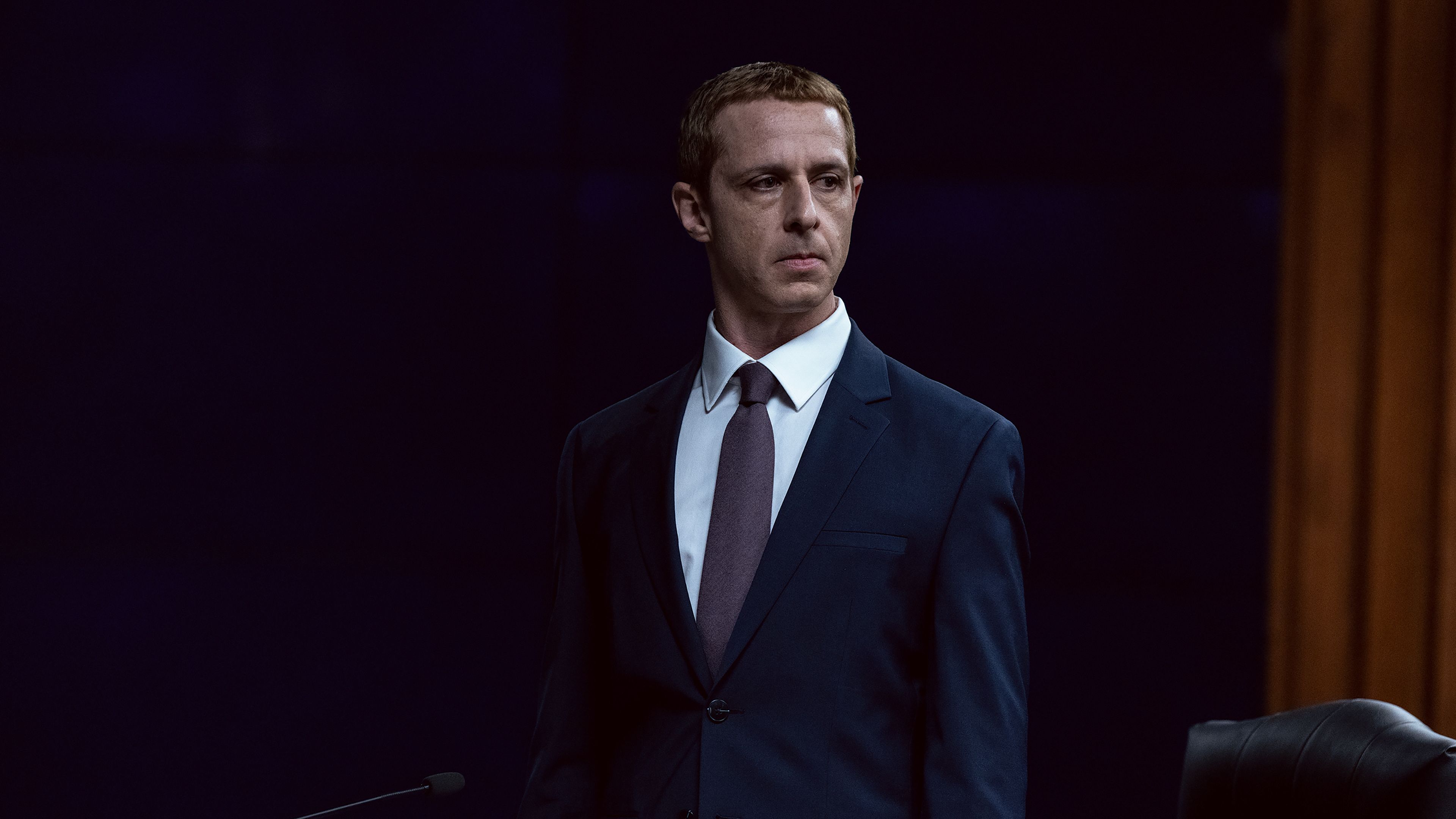
According to FilmRatings.com, the R-rating for "The Social Reckoning" is primarily attributed to "language." This contrasts sharply with the PG-13 rating of its predecessor, which cited "sexual content, drug and alcohol use, and language" as its justifications. The shift in rating alone suggests a departure from the collegiate intrigue and legal sparring of the first film towards a more mature, perhaps grittier, examination of power and ethics.

Related Post


The narrative thrust of "The Social Reckoning" pivots around the real-life figure of Facebook whistleblower Frances Haugen, portrayed by "Anora" star Mikey Madison. She enlists the investigative prowess of Wall Street Journal reporter Jeff Horwitz, played by "The Bear’s" Jeremy Allen White, in a quest to unearth some of the tech giant’s most closely guarded secrets. In a notable casting decision, Jeremy Strong, known for his intense performances, takes over the iconic role of Mark Zuckerberg from Jesse Eisenberg, hinting at a potentially darker, more complex portrayal of the tech titan.
While "The Social Network" delved into the formative years of the platform, from Harvard dorm rooms to the initial legal skirmishes, "The Social Reckoning" propels the story forward to an era when Facebook had cemented its status as a global digital behemoth. Haugen’s decision to leak internal company documents to Horwitz ultimately fueled The Wall Street Journal’s groundbreaking "Facebook Files" exposé, laying bare the platform’s internal struggles and societal impact.
Sorkin has previously offered insights into the specific historical moment the film will dissect. In an August interview with Esquire, he highlighted Facebook’s pivotal 2018 algorithm change, which recalibrated how engagement was valued, prioritizing comments, emojis, and reshares over simple "likes." Sorkin contended that this alteration inadvertently fostered a climate of "rage bait," where content designed to provoke anger or strong reactions gained wider traction and dissemination.
The filmmaker also drew a compelling through-line between these algorithmic shifts and the seismic events of January 6th at the U.S. Capitol. While carefully avoiding a direct assertion that the film is about January 6th, Sorkin strongly implied that audiences would be able to connect the dots between the platform’s evolving mechanics and the subsequent real-world consequences. This expanded scope, moving beyond a corporate origin story to a profound societal critique, underscores the necessity of an R-rating, allowing Sorkin to explore these weighty themes with an unfiltered lens.
"The Social Reckoning" is slated to hit theaters on October 9th. Its R-rating for language marks a significant stylistic and thematic evolution, promising a raw and uncompromising look at the digital empire’s darker legacy.







Leave a Comment