
Thescreescore – A peculiar phenomenon is unfolding in the horror landscape of 2026: the critically panned predecessor to this year’s most acclaimed genre film has unexpectedly surged to become a major streaming success. While 2026 has already delivered a strong slate of horror titles, pushing the boundaries of terror and thematic depth – from the box office titan Obsession to Backrooms, a successful big-screen adaptation of a YouTube phenomenon – one film has truly captivated critics and audiences alike, swiftly ascending to claim the title of the year’s top horror offering.
The film in question is Resident Evil, a fresh cinematic take on the iconic video game franchise. Helmed by Zach Cregger, known for his work on Barbarians and Weapons, this adaptation has garnered significant attention. Its narrative centers on Bryan (Austin Abrams), a medical courier navigating the chaos of Raccoon City amidst the devastating viral outbreak that is synonymous with the game series. Critics have lauded Resident Evil, evidenced by its impressive 96% score on Rotten Tomatoes – a landmark achievement as the franchise’s first positively reviewed film adaptation. Intriguingly, it’s not the sole Resident Evil cinematic endeavor currently experiencing a resurgence.
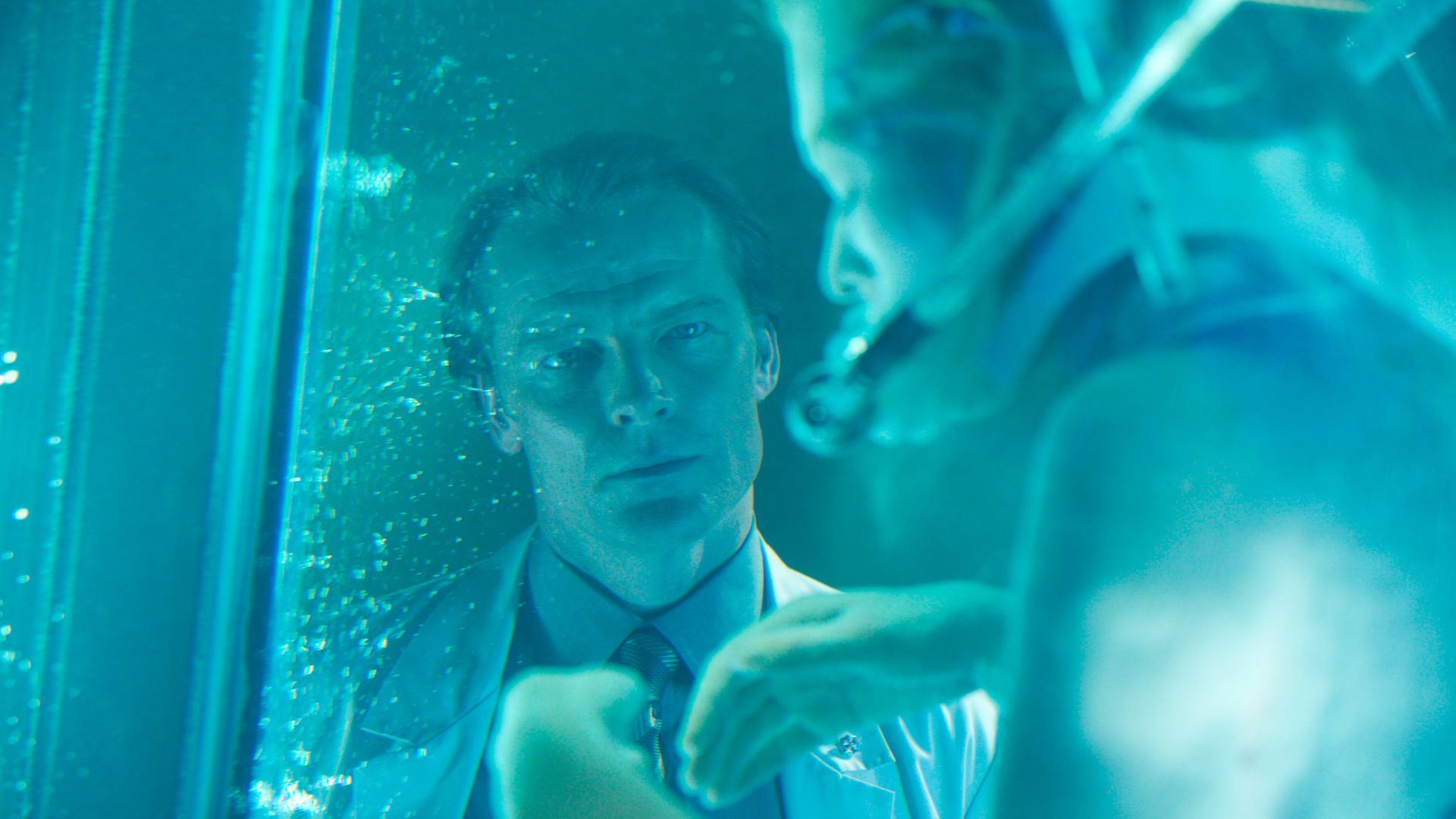
The other unexpected triumph comes from Resident Evil: Apocalypse, the second installment in the original film series, which starred Milla Jovovich and was penned by Paul W.S. Anderson. This loose adaptation of the games, directed by Alexander Witt, chronicles Jovovich’s character, Alice, and a band of fellow survivors as they desperately try to flee a zombie-infested Raccoon City. Remarkably, Resident Evil: Apocalypse, with its 94-minute runtime, has found a new lease on life, climbing to the #5 spot globally on AMC+’s most-watched list as of September 21, 2026. Its streaming success, mirroring the new film’s narrative focus on Raccoon City and the struggle of survivors against an outbreak, presents a fascinating parallel.

Related Post


However, unlike Cregger’s critically acclaimed reboot, Apocalypse shares the ignominious distinction of its predecessors, holding a dismal 18% critic score on Rotten Tomatoes – the lowest in the entire Resident Evil film saga. This stark critical disparity, especially for a film originally released on September 10, 2004, makes its sudden streaming surge all the more intriguing, suggesting a renewed public appetite for the franchise’s older cinematic entries.
The unexpected resurgence of Resident Evil: Apocalypse couldn’t arrive at a more pivotal moment for the venerable franchise. Beyond the critically lauded new film, the video game arm of the franchise is also thriving, with the recent Resident Evil Requiem achieving both critical praise and commercial triumph. Furthermore, developer Capcom continues to expand the universe, with a highly anticipated remake of the 2000 classic, Resident Evil: Code Veronica, now titled Resident Evil: Veronica, slated for a 2027 release.
This sustained vitality marks nearly a decade of resurgence for the horror property, ignited by the groundbreaking Resident Evil 7: Biohazard in 2017. The simultaneous success of the new theatrical release and Apocalypse‘s unexpected streaming triumph are merely two indicators of the franchise’s robust health over the past nine years. It underscores a comprehensive flourishing across all its mediums, poised to enthrall audiences for years to come.
Nick Bythrow, a prominent voice at thescreescore.com since September 2022, holds a triple major in Journalism, Communications, and Media Studies from Hampshire College (2022). Beyond his insightful analyses of television and cinema for thescreescore.com and his personal blog, Frayed Branches, Bythrow is also an Amazon-published author of speculative fiction and poetry, residing near Boston, Massachusetts.





Leave a Comment