
<strong>Thescreescore – </strong>Dystopian science fiction often functions as a distorted mirror, reflecting not just the gadgets of tomorrow, but the inherent flaws of the human condition. While many genre pieces rely on far-fetched cosmic threats, one Netflix powerhouse has mastered a much more unsettling craft: predicting how modern advancements will weaponize our own psychological vulnerabilities. With seven seasons and over 30 episodes under its belt, Black Mirror has transitioned from mere entertainment to a chillingly relevant sociological study.
As an anthology series, Black Mirror occasionally fluctuates in narrative depth, yet its most profound installments linger in the mind long after the credits roll. The show’s true terror doesn’t stem from the "high-tech" spectacle itself, but from the "low-life" existence that follows in the wake of progress. We see this in the digital cloning explored in "White Christmas" or the hyper-transactional social hierarchies of "Nosedive." While some episodes lean into satire, they all touch upon a singular truth: technology doesn’t change who we are; it simply amplifies our darkest impulses.
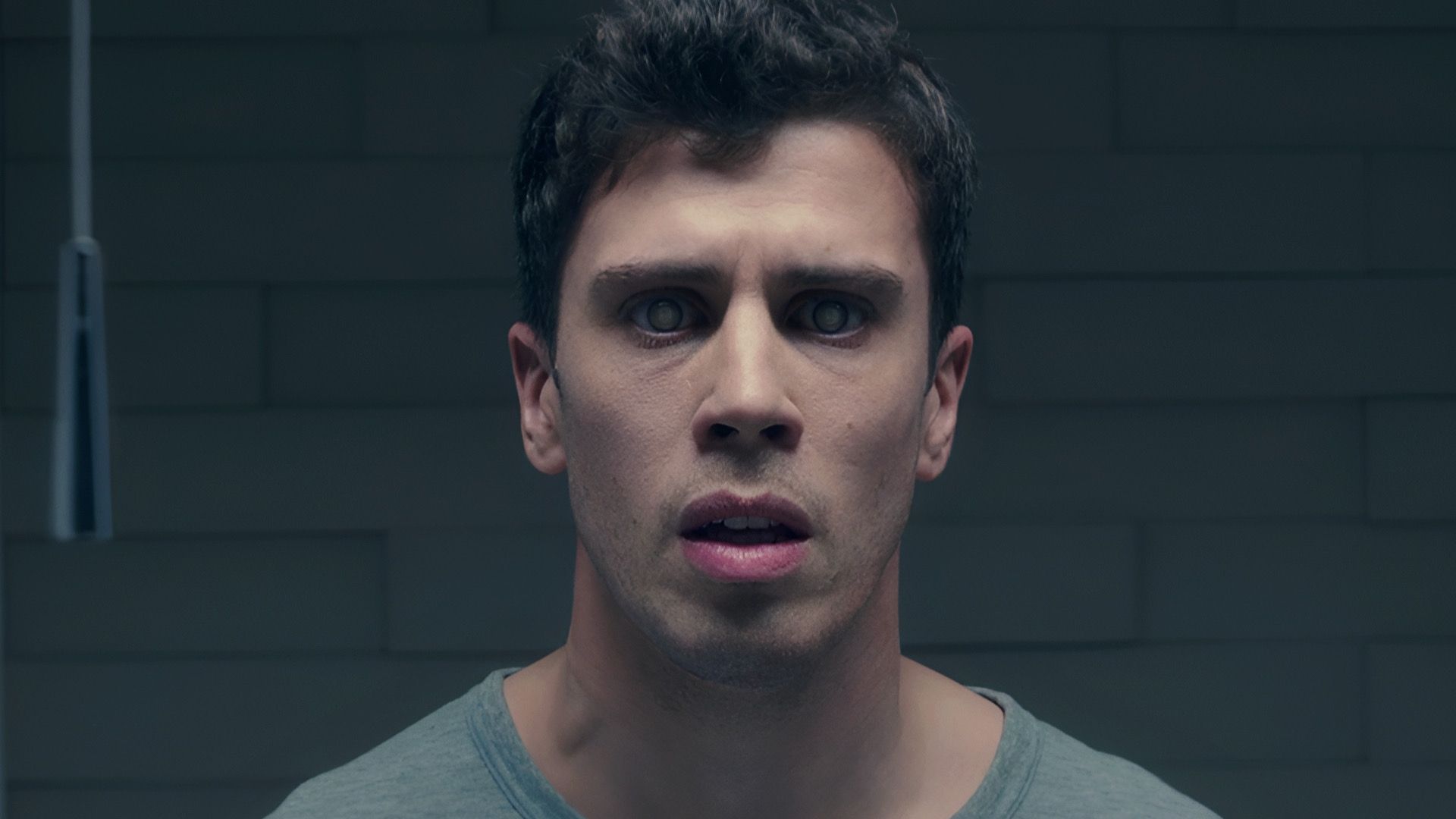
The series excels at dissecting the intersection of capitalism and connectivity. In "Fifteen Million Merits," we witness a bleak struggle against a hyper-capitalist machine that absorbs even its own critics. Meanwhile, "The Entire History of You" offers a haunting look at how perfect digital memory might actually rob us of the grace found in human forgetting, trapping us in a cycle of perpetual, digital nostalgia.

Related Post


Perhaps the most prophetic moment in the series arrives with the Season 2 standout, "Be Right Back." The episode follows a woman who utilizes a digital chatbot to simulate her deceased partner—a concept that has moved from fiction to reality through the rise of generative AI "grief bots." As we enter an era where digital legacy avatars are becoming a commercial reality, the episode’s central question feels urgent: are we using technology to heal, or are we using it to avoid the necessary, painful process of emotional closure? Black Mirror suggests that in our quest to sanitize grief, we may ultimately lose our humanity.







Leave a Comment