
<strong>Thescreescore – </strong>In the realm of high-concept science fiction, there is a treacherous line between intellectual profundity and narrative emptiness. Many ambitious stories, particularly those that grapple with the heavy weight of existentialism on the printed page, seem destined to fail when translated to the screen. Yet, every so often, a production emerges that doesn’t just adapt its source material, but elevates it into something transcendent.
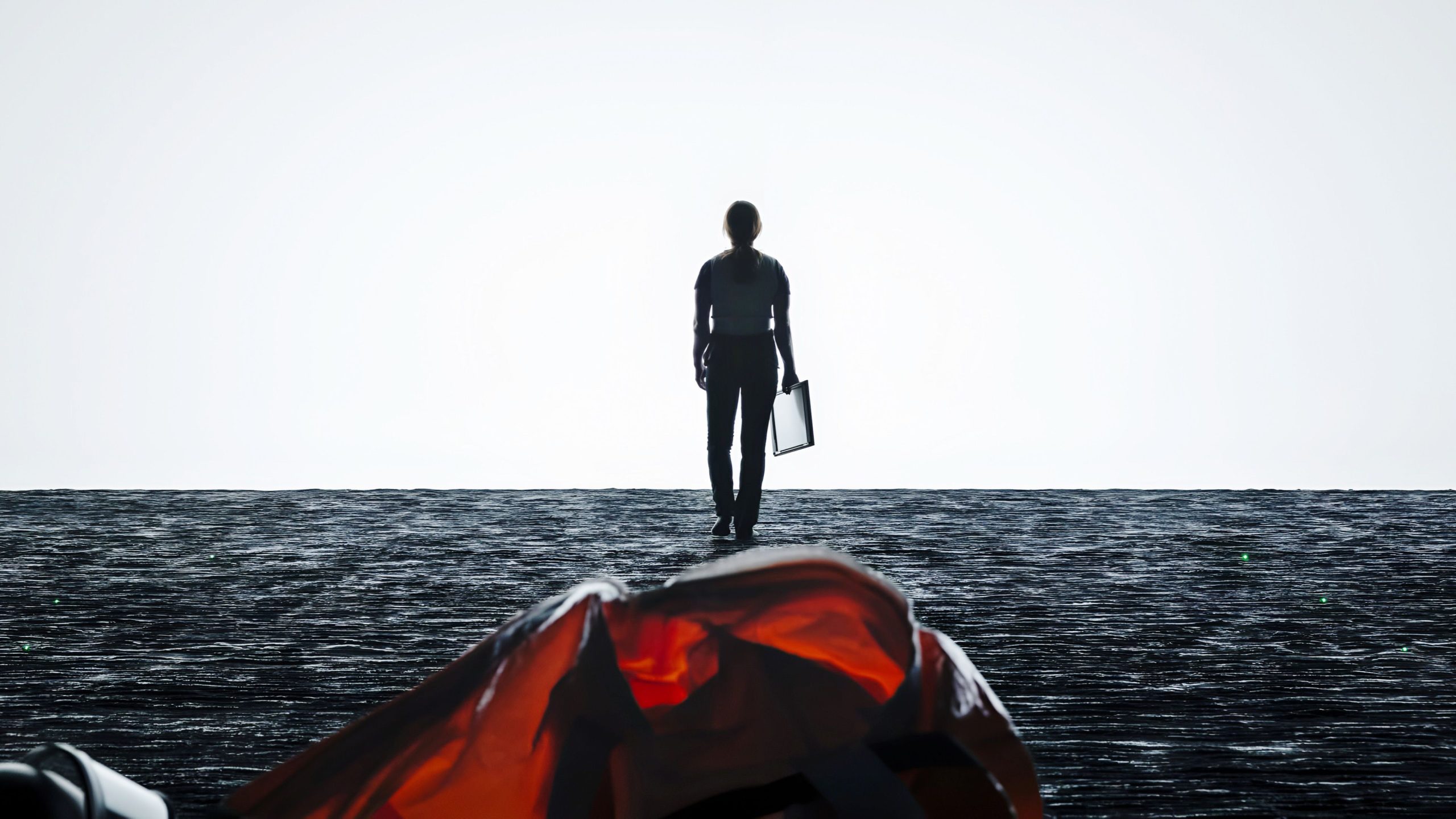
Much like Denis Villeneuve’s Arrival—which masterfully adapted Ted Chiang’s complex ideas on linguistic relativity and non-linear time—the Netflix series Pantheon achieves a rare, "god-tier" status in adaptation. While Arrival used the concept of non-linear time to explore human connection, Pantheon takes the award-winning short stories of Ken Liu and weaves them into a cohesive, breathtaking saga of post-humanity.
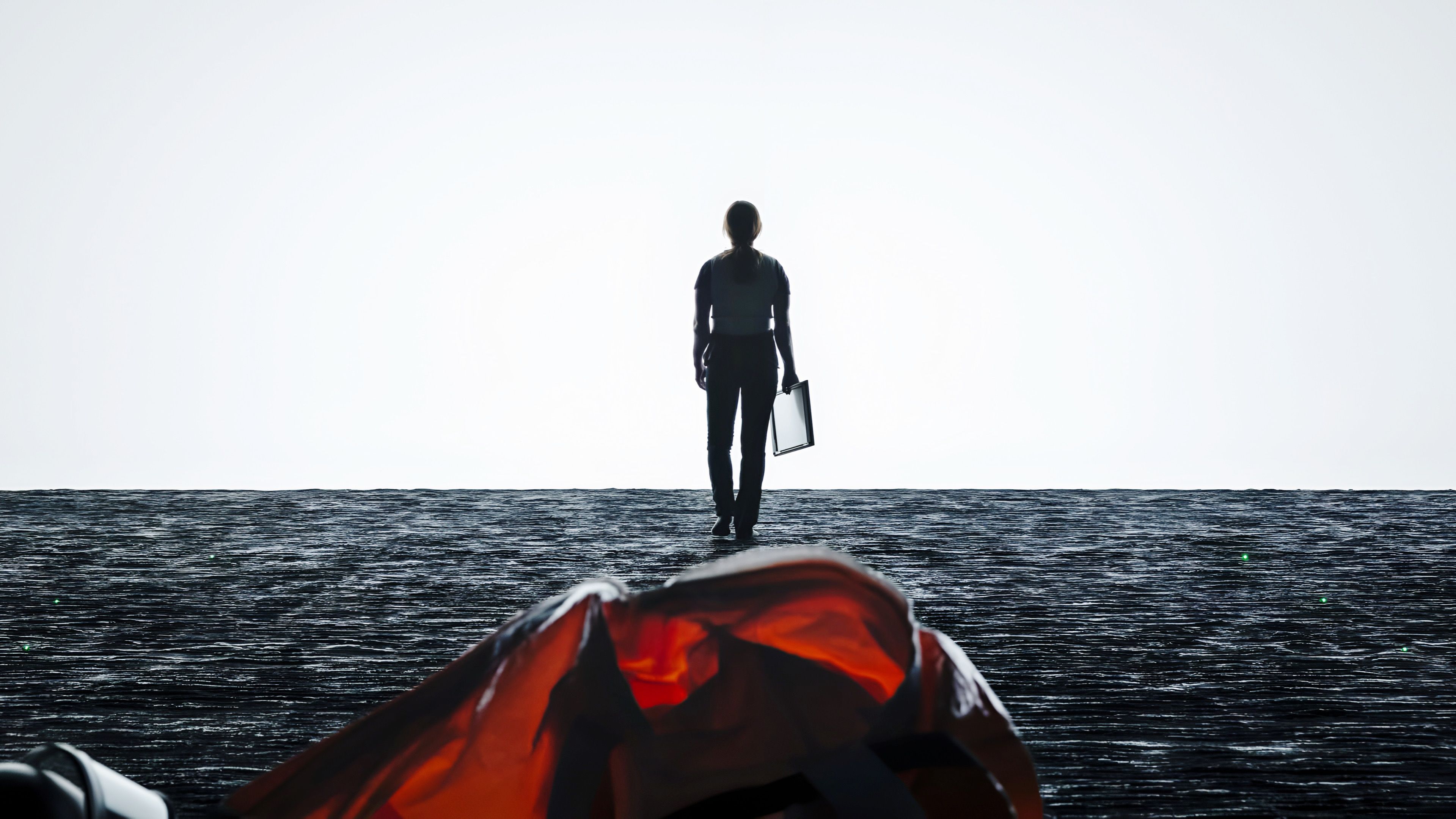
Originally debuting on AMC+, Pantheon has found a new home on Netflix, where it continues to challenge the boundaries of the genre. The series begins with a premise that feels almost contemporary: the dawn of mind-uploading technology. What starts as a gripping conspiracy thriller involving digital consciousness quickly spirals into a cosmic interrogation of what it actually means to be alive.

Related Post


What sets Pantheon apart from standard sci-fi fare is its refusal to let high-concept physics overshadow human emotion. Much like the way Arrival anchored its alien linguistics in the grief of a mother, Pantheon uses the terrifying scale of digital immortality to explore the fragility of the human soul. Creator Craig Silverstein has performed a brilliant feat of storytelling, binding Liu’s fragmented explorations of the future into a singular, sweeping narrative that evolves from a domestic drama into an existential war story.
The show pushes the limits of the "singularity" trope. It moves past the simple question of whether a machine can think, instead diving into the civilizational schism that occurs when humanity splits between the biological and the digital. As the series progresses, it leaps across millions of years, ultimately suggesting that even in a state of near-godlike omnipresence, meaning is only found through the vulnerability and unpredictability of the human experience.
For viewers seeking more than just spectacle—for those who crave science fiction that respects their intelligence and touches their heart—Pantheon is an essential, transformative viewing experience. It is a rare gem that proves that even when we transcend our biological shells, our stories remain our most vital asset.






Leave a Comment