
<strong>Thescreescore – </strong>In the fickle world of literary adaptations, the transition from page to screen is often a treacherous journey. While many filmmakers struggle to capture the soul of a beloved novel, occasionally a production emerges that doesn’t just translate the source material—it transcends it. Netflix’s Altered Carbon stands as a rare, neon-soaked anomaly: a television series that arguably outshines the very book that birthed it.
Based on Richard K. Morgan’s 2002 sci-fi novel, the narrative explores a dystopian future where consciousness is digitized into "stacks," allowing the elite to achieve a terrifying form of immortality through "resleeving" into new bodies. While the core premise remains intact, the Netflix adaptation takes massive creative liberties that breathe a vitality into the story the original text occasionally lacks.
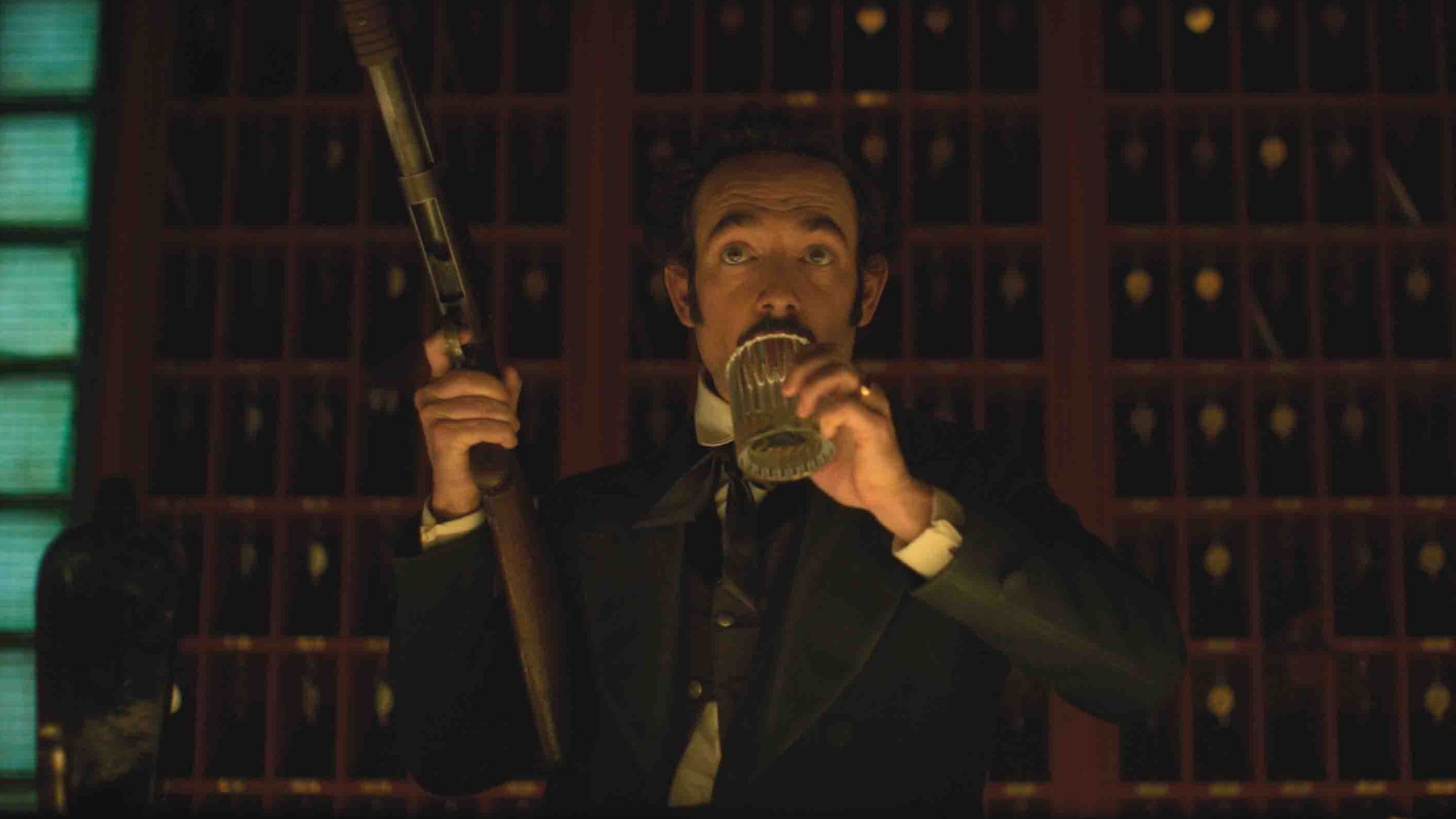
Where the novel leans heavily into philosophical musings and dense exposition, the series embraces the cinematic mantra of "show, don’t tell." The show introduces a level of grit, dark humor, and character nuance that elevates the experience. From the tragic, gothic charm of Poe, the AI hotel concierge, to the visceral, high-octane combat sequences involving Kristin Ortega, the series builds a world that feels lived-in and emotionally resonant.

Related Post


The adaptation’s strength lies in its ability to weave human complexity into its high-concept sci-fi. For instance, the series uses Ortega’s cultural heritage to explore the ethical and religious implications of resleeving, a layer of world-building that feels more intimate than the book’s broader explorations. However, this brilliance was a double-edged sword.
While Season 1 was a masterclass in cyberpunk storytelling, the series ultimately fell victim to the "more is less" trap. The second season, which saw a recasting of the lead Takeshi Kovacs, drifted away from the claustrophobic, dystopian tension that defined its debut. By trading its gritty noir roots for a more expansive, almost fantasy-leaning quest, the show lost the very essence that made it a standout.
Ultimately, Altered Carbon serves as a fascinating case study in media evolution. It proves that a brilliant adaptation can occasionally surpass its foundation, even if the journey toward longevity eventually leads it astray. For fans of the genre, the first season remains an essential, visually stunning achievement that proves sometimes, the screen can indeed paint a more vivid picture than the page.







Leave a Comment