
<strong>Thescreescore – </strong>In the high-stakes arena of modern science fantasy, few juggernauts have ascended as rapidly or as unpredictably as Matt Dinniman’s Dungeon Crawler Carl. What began as a grassroots endeavor on Royal Road has blossomed into a massive eight-novel epic, defying the traditional trajectories of the genre. However, the true magic of this series doesn’t just lie in its chaotic world-building or its eccentric characters; it lies in a radical departure from the sacred, unwritten laws of literary authorship.
While most fantasy architects guard their world-building with religious fervor—ensuring every monster, loot drop, and landscape is meticulously pre-planned—Dinniman has chosen a much more dangerous path. He has effectively handed the keys to his kingdom to the audience. Through a sophisticated interactive relationship with his Patreon community, Dinniman allows his readers to act as architects of the chaos, voting on everything from the names of new locations to the specific attributes of enemies and rewards.
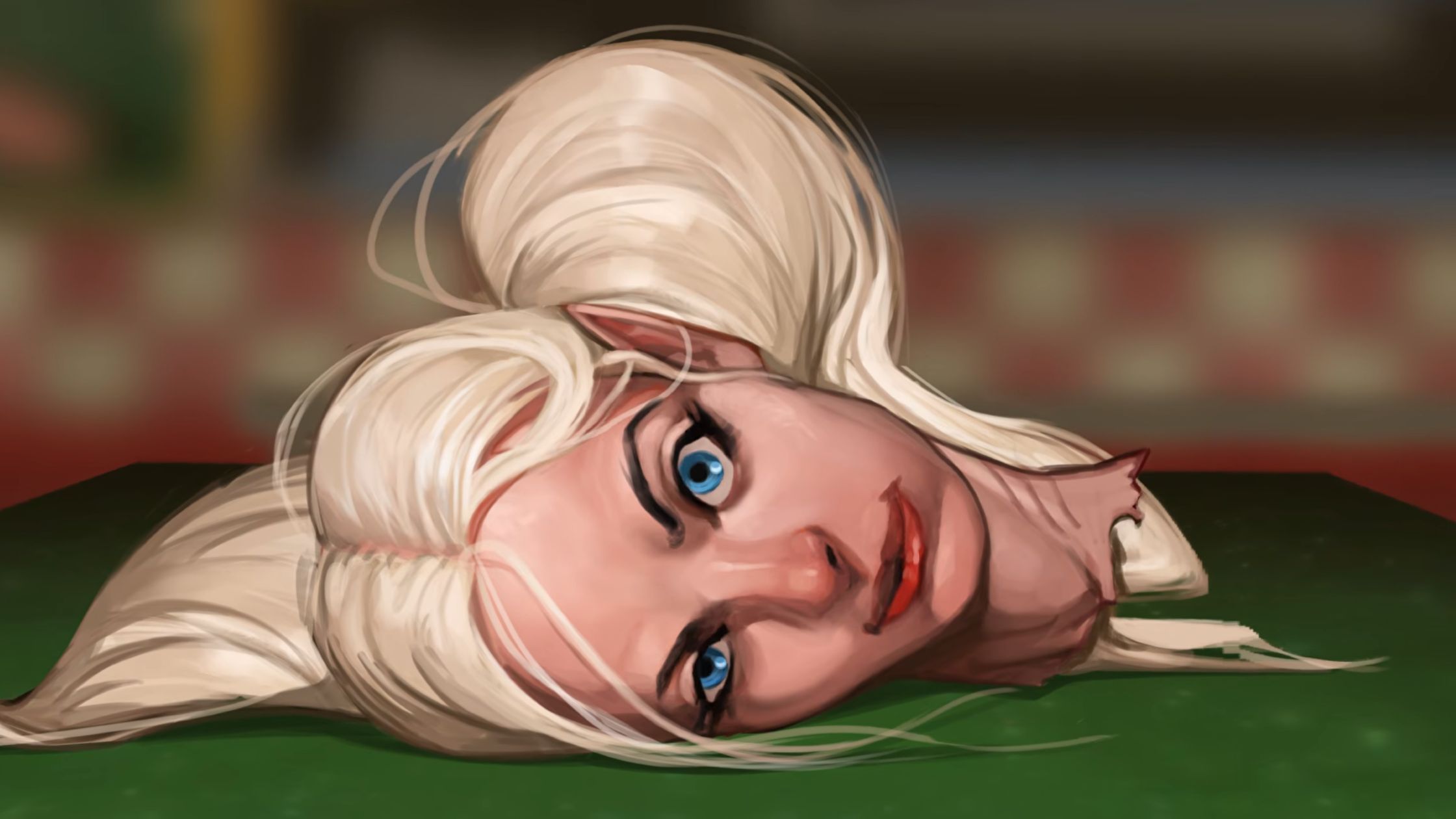
This isn’t merely a marketing gimmick; it is a profound subversion of the "authorial intent" rule. By allowing fans to dictate the external obstacles Carl and his companions face, Dinniman turns his writing process into a high-wire act of improvisation. He maintains strict creative control over the emotional core and character agency—ensuring Carl and Donut remain true to themselves—but he forces them to navigate a landscape that is constantly shifting under their feet due to fan intervention.

Related Post

The results of this collaborative madness have been nothing short of legendary. As noted by reports on thescreescore.com, the series is peppered with iconic elements that were never part of Dinniman’s original blueprint but were instead birthed from the collective imagination of his readers. This "crowdsourced" storytelling has even extended to his social media circles, such as the inclusion of the character Steve Rowland, a nod to fellow author S.L. Rowland.
By embracing the curveballs thrown by his audience, Dinniman has done more than just build a successful IP; he has pioneered a new way for creators and consumers to coexist. In the world of Dungeon Crawler Carl, the line between the storyteller and the audience hasn’t just been blurred—it has been completely demolished.







Leave a Comment