
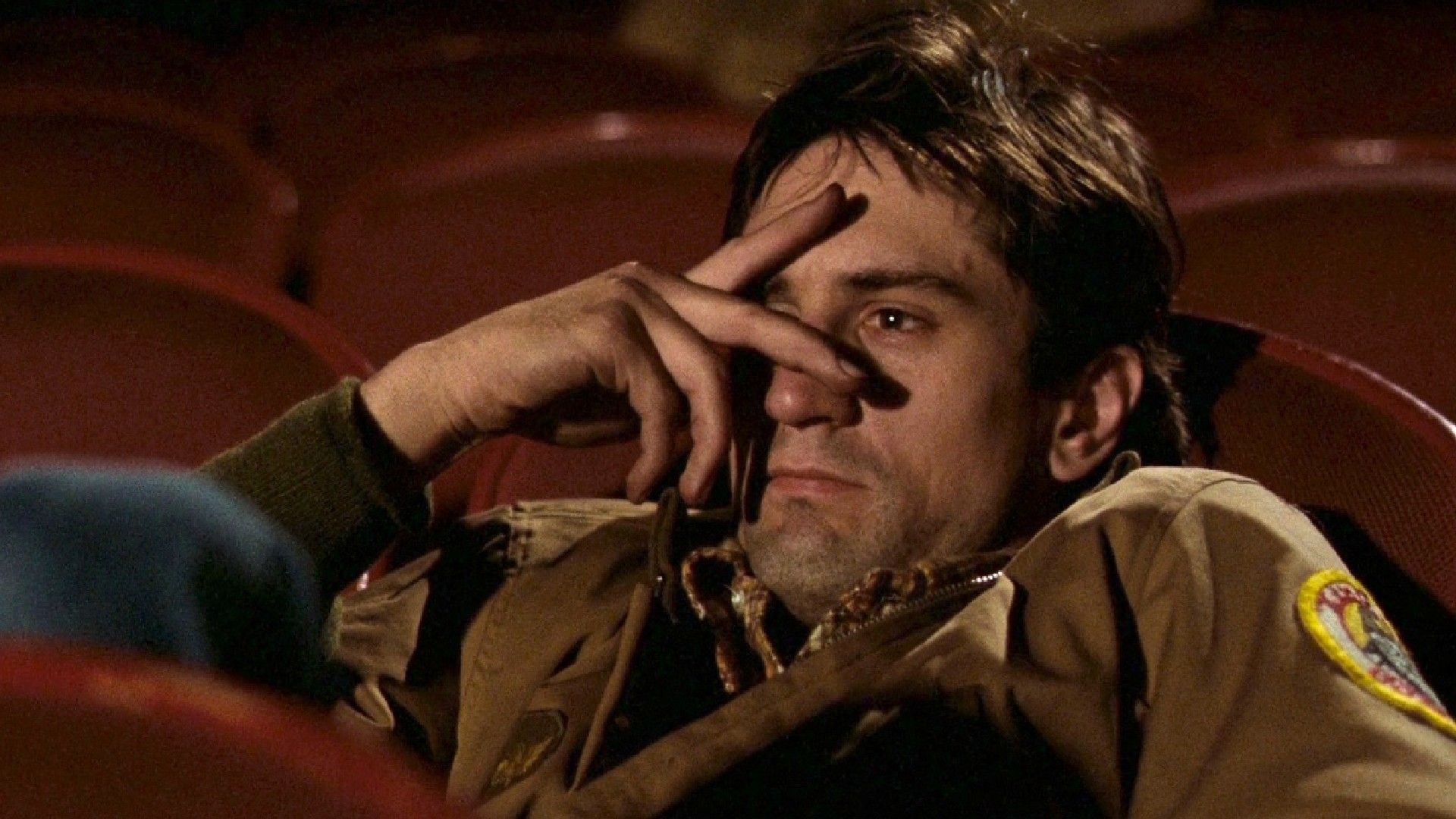
Thescreescore – A seismic shift is underway in cinematic storytelling, driven by the discerning tastes of Generation Z. This demographic, typically defined as individuals born between 1997 and 2012, is not merely eschewing lengthy runtimes and predictable narratives; they are actively challenging a pervasive archetype that has dominated the silver screen since its inception. Their latest demand? A fundamental re-evaluation of how masculinity is portrayed in film and television, pushing for a departure from the stoic, hypermasculine figures that have long been Hollywood staples.
This burgeoning cultural preference is underscored by a recent, groundbreaking study from UCLA, which reveals a decisive rejection of hypermasculinity among Gen Z viewers. The research indicates a strong desire for media to present male characters who embody greater vulnerability and foster deeper connections, moving away from traditional portrayals of isolation and emotional detachment.
Conducted by UCLA’s esteemed Center for Scholars & Storytellers (CSS), the study incorporated specific inquiries into its annual "2025 Teens & Screens" survey, gathering insights from 1,500 individuals aged 10 to 24 across the nation. The comprehensive findings were subsequently detailed in a report aptly titled "Gen Alpha and Gen Z: Evolving Masculinity." Dr. Yalda Uhls, the senior author of the study, founder of CSS, and an adjunct professor in UCLA’s psychology department, articulated the significance of these discoveries: "Our findings reveal a profound cultural shift: Youth are craving a version of masculinity defined by emotional availability and joyful connection… By highlighting these narratives of partnership and care, storytellers can offer a vision of masculinity rooted in hope and love. For today’s young audiences, the most compelling hero isn’t the one standing alone, but the one who has the courage to be present."

Related Post


A pivotal takeaway from the research highlights a collective desire among both Gen Z and the emerging Gen Alpha (those born between 2010 and 2025) for cinematic and television narratives to feature men as nurturing, affectionate fathers and emotionally transparent individuals. This represents a clear departure from what these younger generations perceive as antiquated masculine archetypes. Notably, the portrayal of "joyful fatherhood" emerged as the most sought-after depiction of masculinity, with almost 60% of surveyed adolescents expressing a wish for more on-screen fathers who openly demonstrate love and find genuine fulfillment in parenting. Furthermore, 46% of participants indicated a strong interest in storylines where male characters actively seek assistance, particularly concerning their mental well-being.
The authors of the study emphasize that these fresh insights reinforce CSS’s enduring dedication to assisting content creators in reimagining the on-screen depiction of male characters. This commitment dates back to 2020, when CSS first disseminated a foundational tip sheet for storytellers, a resource that has since transcended academic circles to directly inform and influence television production within various writers’ rooms.
Should Gen Z successfully steer Hollywood towards a more nuanced and emotionally articulate portrayal of men, it would undeniably mark a long-overdue evolution in narrative. Yet, the true artistry of storytelling thrives on reflecting the entire tapestry of human experience. Attributes like resilience, self-reliance, and even aspects of traditional masculinity retain their narrative validity, existing in concert with tenderness and profound interpersonal connection. The ultimate creative challenge isn’t to obliterate one facet in favor of another, but rather to achieve a delicate equilibrium – crafting male characters who are authentically complex, deeply conflicted, and, above all, comprehensively human. This is the future of storytelling, according to the audiences shaping it on thescreescore.com.






Leave a Comment