
<strong>Thescreescore – </strong> In the volatile landscape of media conglomerates, few things are as certain as the hunger for a massive franchise. Following the astronomical success of the original Hogwarts Legacy—a juggernaut that shattered industry records with over 40 million units sold—the wizarding world is officially preparing for its next chapter. While the sequel has previously existed only in the dry, clinical language of shareholder reports, new developments suggest that the next installment is not just coming, but is undergoing a fundamental creative metamorphosis.
The shadow of corporate restructuring loomed large over the project following the monumental acquisition of Warner Bros. by Paramount Pictures, under the new Skydance umbrella led by Larry and David Ellison. In an era where gaming divisions are often sidelined in favor of high-budget cinematic endeavors, fans feared the sequel might be lost in the shuffle. However, a recent internal memo has quelled those anxieties. The new leadership has explicitly identified Hogwarts Legacy as a cornerstone of their future interactive strategy, ensuring that the franchise remains a primary pillar of their storytelling empire.
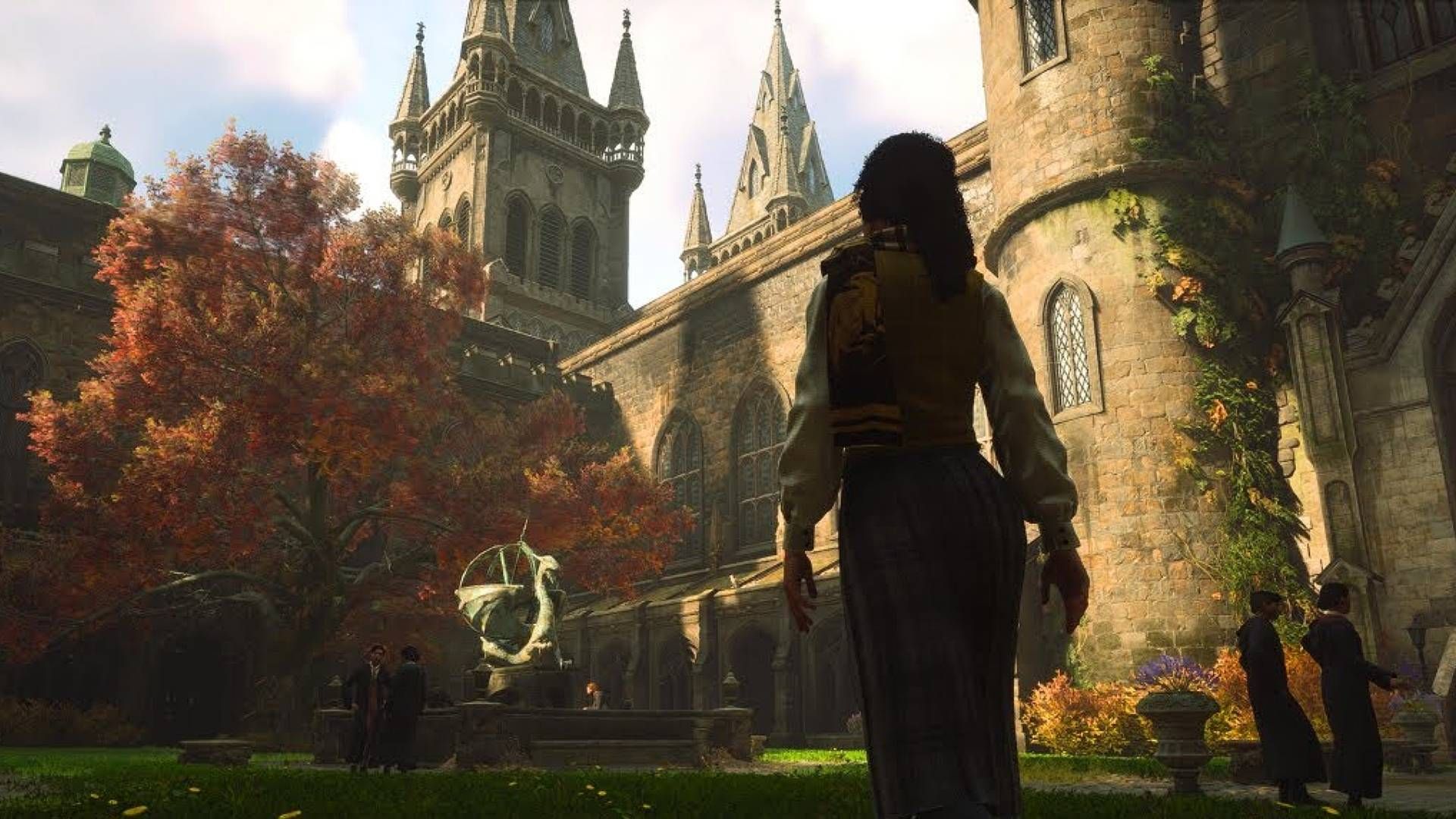
Yet, the most electrifying news lies in the narrative pivot. Unlike its predecessor, which carved out its own unique identity within the Wizarding World, the upcoming sequel is reportedly set to undergo a massive tonal and structural shift. Insiders suggest the game will pivot to align closely with the upcoming HBO series, aiming for a rigorous, near-faithful adaptation of the original book canon.

Related Post


This move represents a high-stakes gamble for the developers. While the original game’s strength lay in its expansive, original lore, the decision to lean into a "one-to-one" book-inspired experience seeks to capture the pure, nostalgic essence that defined the literary phenomenon. As the industry watches closely, the question remains: can the sequel bridge the gap between a standalone epic and a faithful adaptation? If they succeed, they won’t just be making a game; they will be perfecting a cultural phenomenon.






Leave a Comment