
Thescreescore – Emerald Fennell’s cinematic interpretation of Emily Brontë’s enduring classic, Wuthering Heights, has ignited fervent discussions among critics and audiences alike since its release. Despite achieving considerable commercial success, the film has proven to be a polarizing work, largely due to its audacious and provocative opening sequence. Fennell, known for her distinctive and often unsettling artistic vision, has now offered insights into the deliberate choices behind the film’s controversial start, explaining its profound thematic resonance rather than mere shock value.
The adaptation immediately plunges viewers into a disquieting scene: a man is hanged, yet the focus subtly shifts to the onlookers’ unsettling reactions, particularly an involuntary physical response. This grim tableau culminates with a young Cathy observing, seemingly frightened but ultimately exhibiting a flicker of delight. This sequence, which left many viewers stunned, was meticulously crafted by Fennell to establish the film’s unique tone from its very first moments.
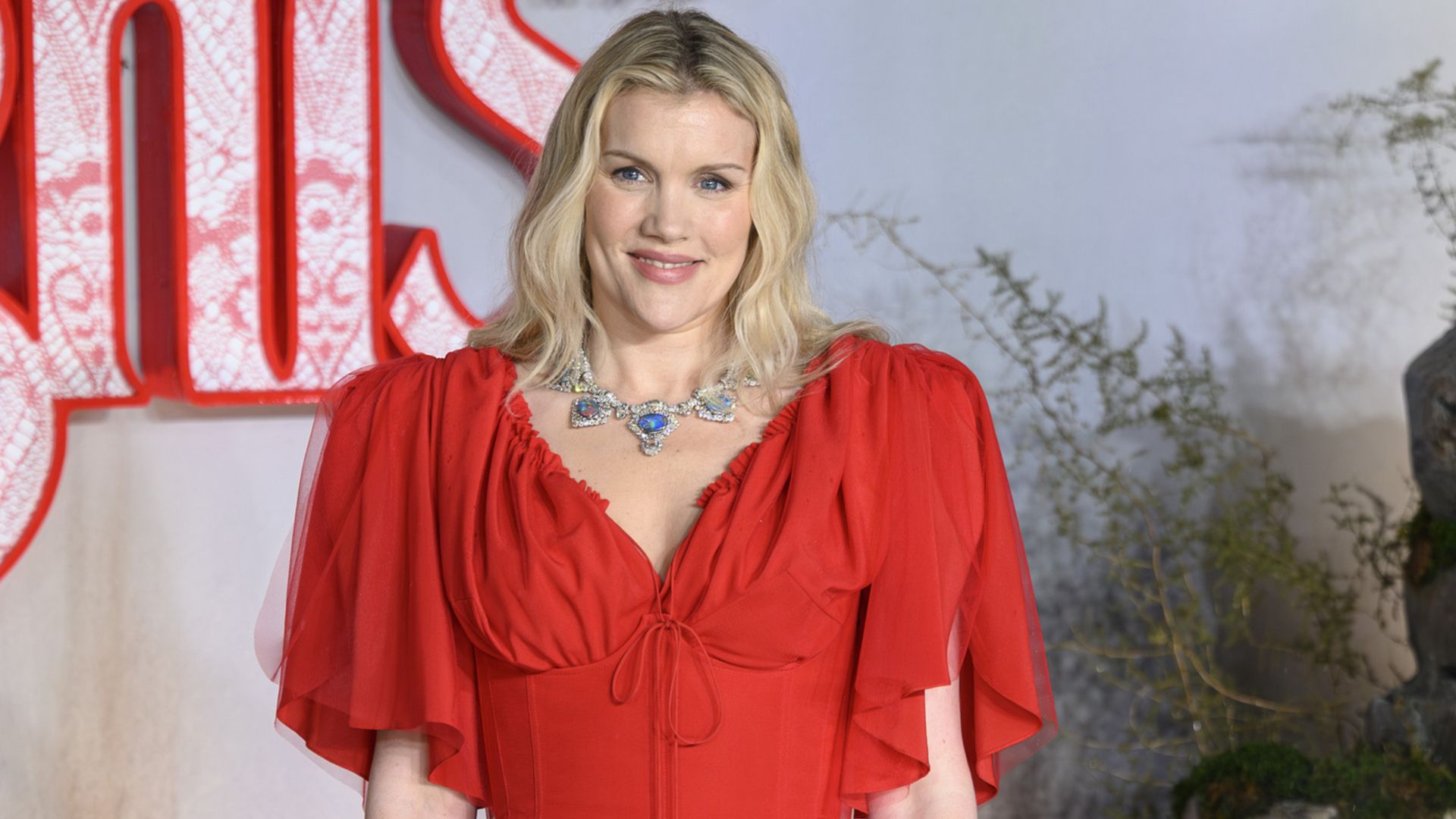
In a recent interview with USA Today, Fennell articulated her rationale, stating, "With the first moments of a film, you need to set the tone and say what it is. This is a deeply felt romance. But I also wanted people to understand that it would be surprising and darkly funny and perhaps stranger than they would expect." She further elaborated on the crucial connection between arousal and danger, identifying it as the very essence of the Gothic genre. For Fennell, Cathy’s complex reaction—a blend of fear and fascination—is a window into both her character and Brontë’s original intent. The director aimed to dismantle the idealized, pastel-hued perception of period dramas, asserting that the past was inherently a "dangerous place to live in," a reality she felt compelled to portray upfront.

Related Post


The film’s casting, featuring Margot Robbie as Cathy and Jacob Elordi as Heathcliff, along with its significant departures from the novel’s narrative, also drew criticism from devoted fans of Brontë’s work. Many took issue with how the adaptation prioritized the central romance, seemingly downplaying other pivotal themes such as familial trauma, grief, and revenge. However, Fennell staunchly defended her creative liberties, explaining that her primary objective was to evoke the visceral feeling the novel instilled in her, rather than producing a literal translation. As she succinctly put it, "All I could do was make a movie that made me feel the way the book made me feel, and therefore it just felt right to say it’s Wuthering Heights, and it isn’t."
Despite, or perhaps because of, these spirited debates, Fennell’s Wuthering Heights has flourished at the box office. Its opening weekend saw impressive numbers, and it currently boasts an 85% score on Rotten Tomatoes, tying with the acclaimed 1939 adaptation for the highest rating of any film version of the novel.
Fennell is no stranger to provoking strong reactions from her audience. Her previous work, particularly the 2023 hit Saltburn, starring Jacob Elordi, featured the infamous "bathtub scene" that similarly stunned viewers and critics. Saltburn, a narrative steeped in psychosexual obsession, deception, and possession, served as a potent precursor to the thematic explorations found in Wuthering Heights. The initial trailers for Fennell’s Brontë adaptation had already hinted at her bold artistic license, revealing changes not only to the film’s beginning but also its conclusion.
The altered, open ending of Wuthering Heights has fueled speculation about a potential sequel, possibly delving into aspects of the original 1847 novel—penned by Emily Brontë under the pseudonym Ellis Bell—that were not fully explored in the 2026 film. Brontë’s novel originally navigated complex themes of class, race, and sex within the rugged landscape of 1840s Yorkshire.
Fennell’s distinctive blend of dark sensibilities and mordant humor in Wuthering Heights has drawn comparisons to contemporary Gothic reinterpretations like Robert Eggers’ Nosferatu. Both directors showcase a willingness to tackle classic, often disturbing, source material with a modern lens, delivering performances and narratives that challenge conventional expectations.
Emerald Fennell’s Wuthering Heights continues its theatrical run worldwide, inviting audiences to experience a truly unique and unforgettable vision of a timeless tale.






Leave a Comment