
<strong>Thescreescore – </strong>Netflix’s latest historical drama, The Mosquito Bowl, offers a visceral, heart-wrenching look at the intersection of collegiate athletics and the brutal reality of World War II. Directed by Peter Berg, the film follows the harrowing journey of four football stars—John McLaughry, Tony Butkovich, Dave Schreiner, and Bob Bauman—as they transition from the gridiron to the front lines. While the film captures the spirit of brotherhood and sacrifice, a deep dive into the historical record reveals that Hollywood has taken several significant liberties with the truth to heighten the cinematic tension.
The Myth of the Unified Regiment
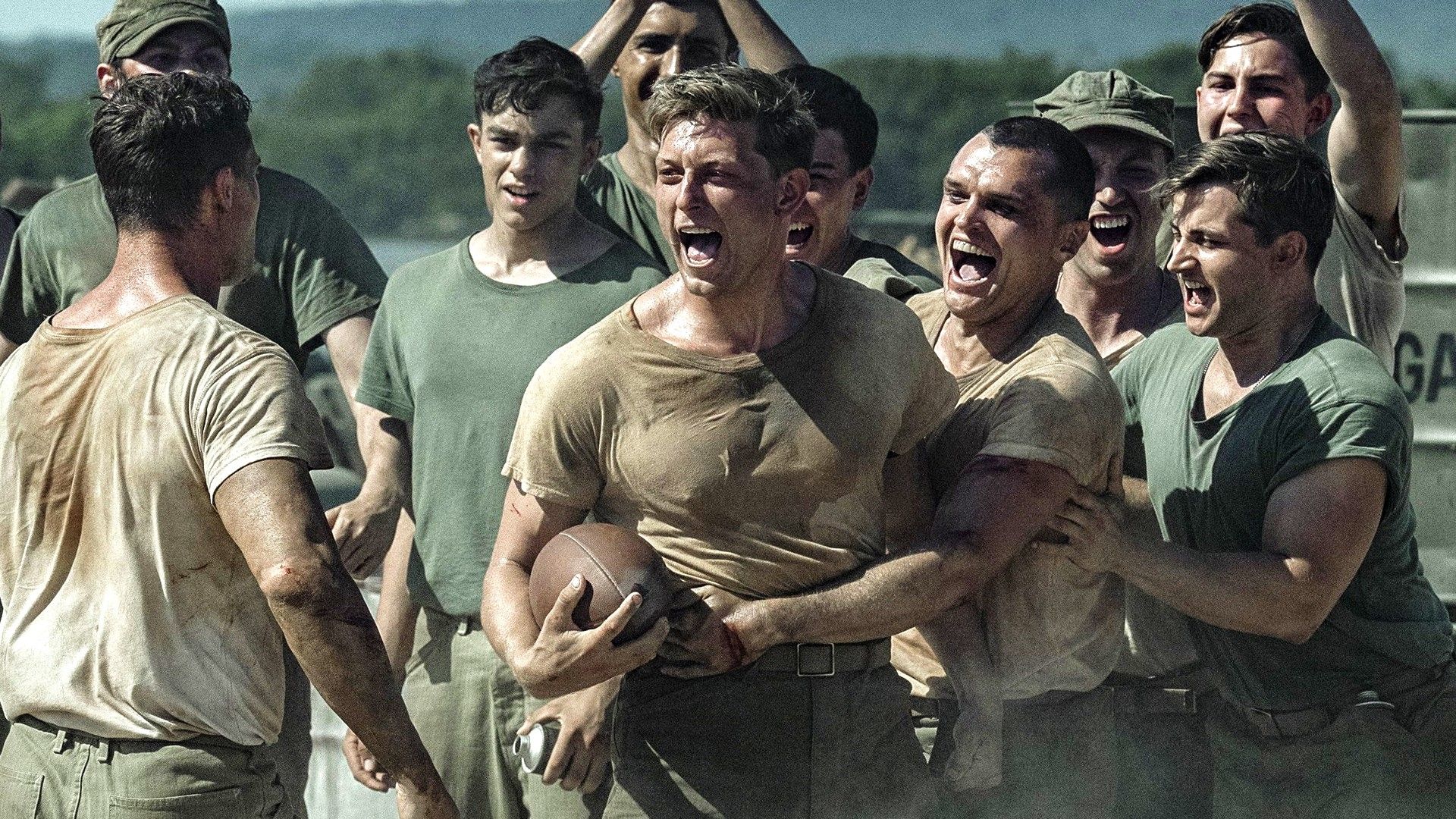
One of the most prominent narrative shifts involves the camaraderie of the central quartet. To foster a sense of shared struggle, the film places all four men within the same 4th Marine Regiment. In reality, the group was fragmented; Tony Butkovich served in the 29th Regiment. While they were part of the same division, they were not fighting side-by-side in the same battalion, a change that alters the literal "team" dynamic of their wartime experience.

Related Post


The Tarawa Discrepancy
The film uses the Battle of Tarawa as a baptism by fire for our protagonists, providing a high-stakes introduction to the horrors of combat. However, historical records indicate that none of these men were actually present at the Battle of Tarawa in 1943. The 6th Marine Division, to which the men belonged, was not involved in that specific operation, making their presence there a purely dramatized device.
Altered Timelines and Enlistment
To keep the ensemble together, the film adjusts the enlistment dates of the characters. Specifically, Tony Butkovich’s timeline is shifted; while the movie suggests a swift transition from Pearl Harbor to the front, the real Butkovich remained at Purdue University through 1943, only joining the Marines in 1944. This adjustment also moves his NFL draft status, making his professional prospects appear more immediate than they were.
Fabricated Rivalries
To add interpersonal friction, the script introduces a heated rivalry between Dave Schreiner and Tony Butkovich. The film suggests a deep-seated disdain between the two, yet there is no historical evidence to support this. In fact, the two never even competed against one another in college, as their academic and athletic timelines did not overlap during their peak seasons.
The Missing NFL History
The film also streamlines the professional history of John McLaughry. While the movie depicts him as a collegiate athlete during the early 1940s, it omits his actual professional pedigree. In real life, McLaughry was an Olympic hammer thrower and had already spent a season playing for the New York Giants, a detail that would have added a layer of veteran expertise to his character.
A Scoreless Reality
The climactic football game—the titular "Mosquito Bowl"—is depicted as a high-octane, touchdown-filled spectacle that ends in a dramatic tie. While the film uses this to provide emotional catharsis, the actual historical event was a much more subdued affair, ending in a 0-0 scoreless tie. The Hollywood version simply traded realism for a more engaging spectator experience.
The Timing of Tragedy
Perhaps the most poignant change is the timing of the characters’ deaths. The film portrays the men falling together in a singular, tragic moment during the invasion of Okinawa. In truth, their deaths were spread across several months in 1945. By condensing their fates, the film maximizes the emotional impact of the loss, even if it sacrifices the chronological accuracy of their individual sacrifices.
The Symbolic Burial
The film concludes with a powerful, symbolic gesture: John McLaughry burying the dog tags of his fallen comrades at a football field. While this provides a beautiful cinematic bookend to the story of brotherhood, there is no historical record of such an event occurring. It remains a poetic, albeit fictional, tribute to the men who traded their jerseys for uniforms.





Leave a Comment