
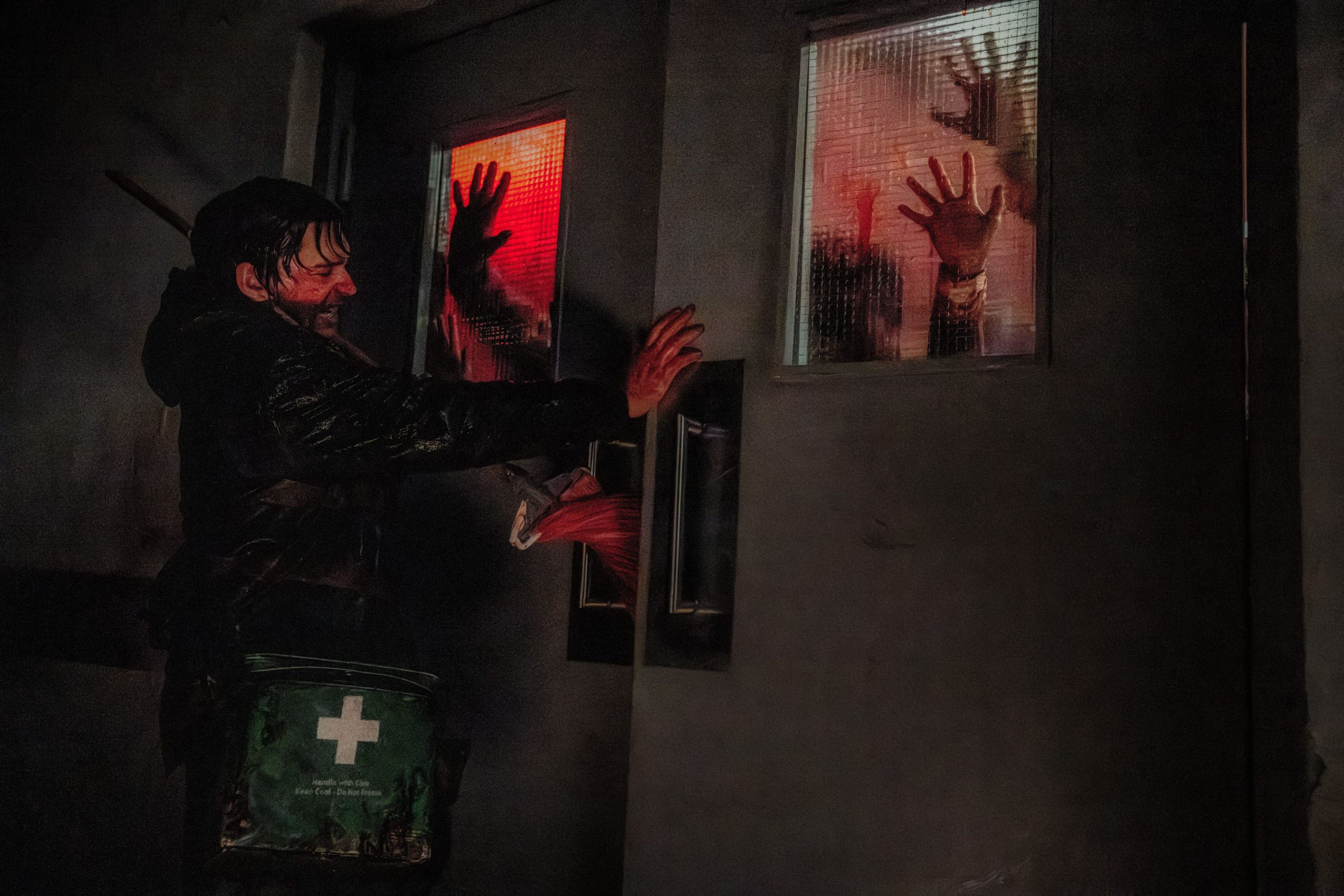
Thescreescore – Acclaimed filmmaker Zach Cregger, known for his unsettling horror hit Barbarian and the upcoming ensemble thriller Weapons, is poised to unleash his vision for the iconic Resident Evil universe onto the big screen. As anticipation builds for the new cinematic adaptation, Cregger has offered a tantalizing glimpse into the specific video game entries that have profoundly shaped his approach, promising a film deeply rooted in the franchise’s terrifying origins.
The Resident Evil saga stands as a titan in the horror gaming landscape, boasting a legacy that spans numerous games, television series, and previous film iterations. Its enduring popularity was recently underscored by Resident Evil Requiem, which shattered sales records by moving seven million copies in its first two months, solidifying its place as the fastest-selling title in the series’ history.
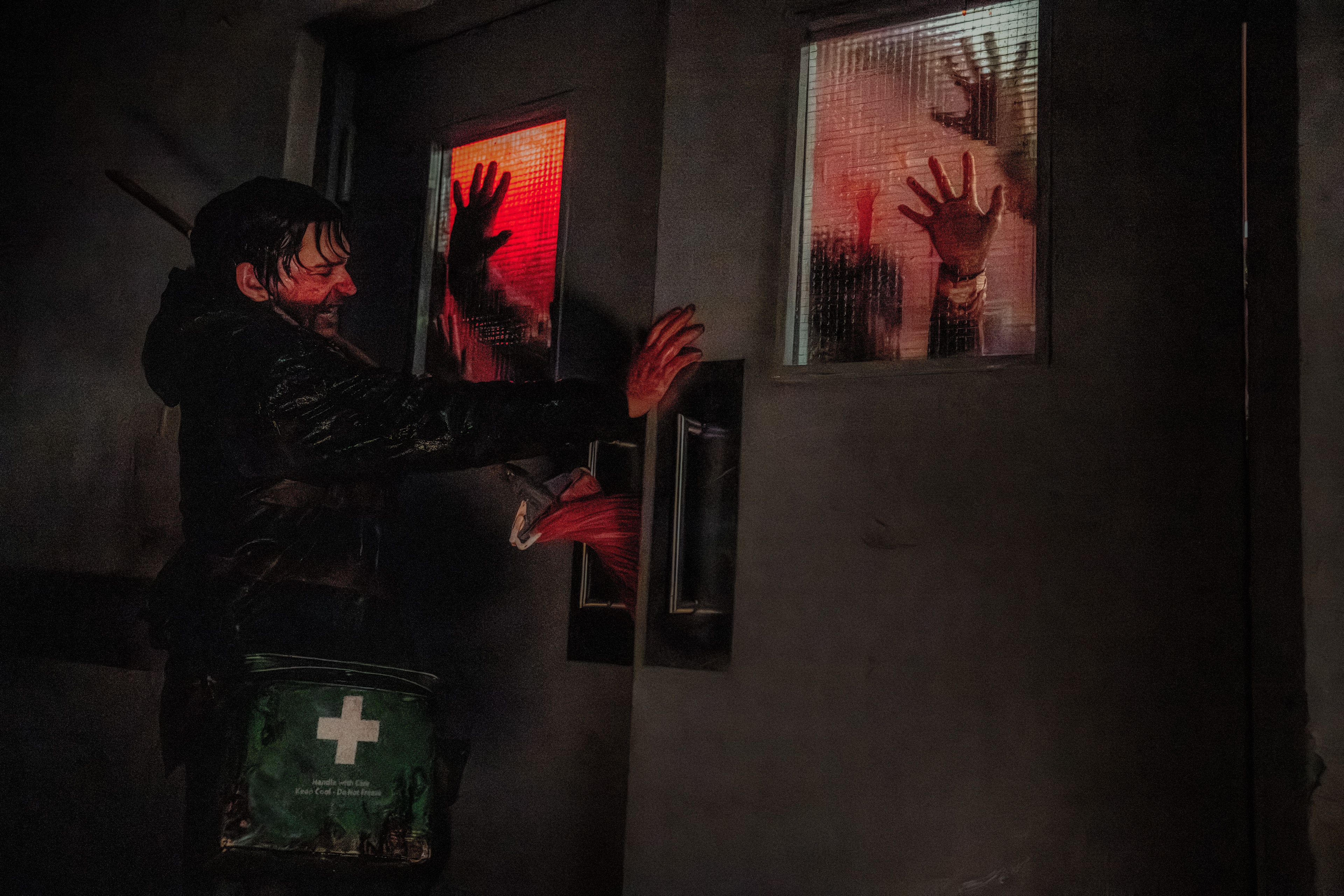
During an exclusive visit to the film’s production, Tom Hammock, the esteemed production designer for Cregger’s Resident Evil project, shed light on the director’s profound connection to the source material. Hammock characterized Cregger as an "insanely dedicated gamer," revealing how the director meticulously deconstructed the mechanics of the games. "Zach is like a crazy avid gamer," Hammock recounted. "When we started on the project, he and I watched [Resident Evil] 2, 3, 4, and 6 together. We went through and he really analyzed the scares and how the movement happens within the Resident Evil games. A lot to do with doorways, how flashlights move, how things are revealed."

Related Post


This collaborative deep dive into the gameplay suggests Cregger’s film will weave together a tapestry of elements from across the franchise’s rich history. Resident Evil 2, for instance, is celebrated for its masterful use of claustrophobic hallways, intricate puzzles, and the constant struggle to escape, often through locked doors and labyrinthine environments. Resident Evil 3, in contrast, ramps up the intensity with a more aggressive pace and the introduction of relentless, evolving enemy tactics, a trend that escalated further in Resident Evil 4. The latter revolutionized the series with its iconic over-the-shoulder camera perspective and a heightened sense of brutal, visceral combat against increasingly formidable foes.
Across these seminal titles, common threads emerge: oppressive darkness necessitating the use of flashlights, an pervasive sense of dread, and the critical management of scarce resources. Hammock’s emphasis on Cregger’s analysis of "scares and how the movement happens" strongly indicates that the film will meticulously translate these signature atmospheric and interactive horror elements to the cinematic medium. Cregger’s prior work, particularly Barbarian, showcased his adeptness at crafting chilling suspense within confined, subterranean spaces reminiscent of Resident Evil‘s iconic settings. Furthermore, his experience with Weapons demonstrates his capacity to orchestrate a larger ensemble cast, a likely requirement for the sprawling narratives often found within the Resident Evil universe.
Cregger himself has openly confessed to dedicating "an embarrassing amount of hours into these games." His passion extends to "the atmosphere, the pacing, the resource management, the dread" – all core tenets of the Resident Evil experience. These personal insights, combined with Hammock’s observations, paint a picture of a film that will likely fuse the narrative depth and psychological tension of Resident Evil 2 and 3 with the relentless action and visceral aggression that defined Resident Evil 4.
Fans can mark their calendars: Zach Cregger’s highly anticipated Resident Evil film is slated to terrorize theaters on September 18, 2026.
Anthony Jadus (Tony) is a New York-based writer and actor with an MFA from Columbia University. Originally from just outside Scranton, PA, he’s written for TheGamer and Young Hollywood, and he has been a Movie & TV News Reporter at thescreescore.com since 2026. He strives to continue being a "perpetual student."







Leave a Comment