
Thescreescore – Celebrated filmmaker Guillermo del Toro, a maestro renowned for his unique blend of dark fantasy and profound humanism, has recently reaffirmed his fervent desire to plunge back into the colossal world of kaiju and giant robots. This revelation comes amidst a period of sustained success for the Oscar-winning director, whose 2025 feature Frankenstein garnered significant acclaim, following in the footsteps of his masterpieces like Pan’s Labyrinth, which is celebrating its 20th anniversary this year. Yet, it’s the thunderous clash of Jaeger against Kaiju that continues to call to him.
During a candid Ask Me Anything (AMA) session on Reddit, a fan directly posed the question of a potential return to the kaiju or giant robot genre, citing 2013’s Pacific Rim as a personal favorite. Del Toro’s response was unequivocal: "I would love to go back. A kaiju-mecha intersection is my sweet spot." He elaborated on his initial attraction to Pacific Rim, revealing that his primary condition for joining the project, based on Travis Beacham’s outline, was the implementation of a two-pilot system for the colossal robots. This creative choice, he explained, was crucial for anchoring the epic spectacle in a narrative about "two people that need to learn to trust each other."
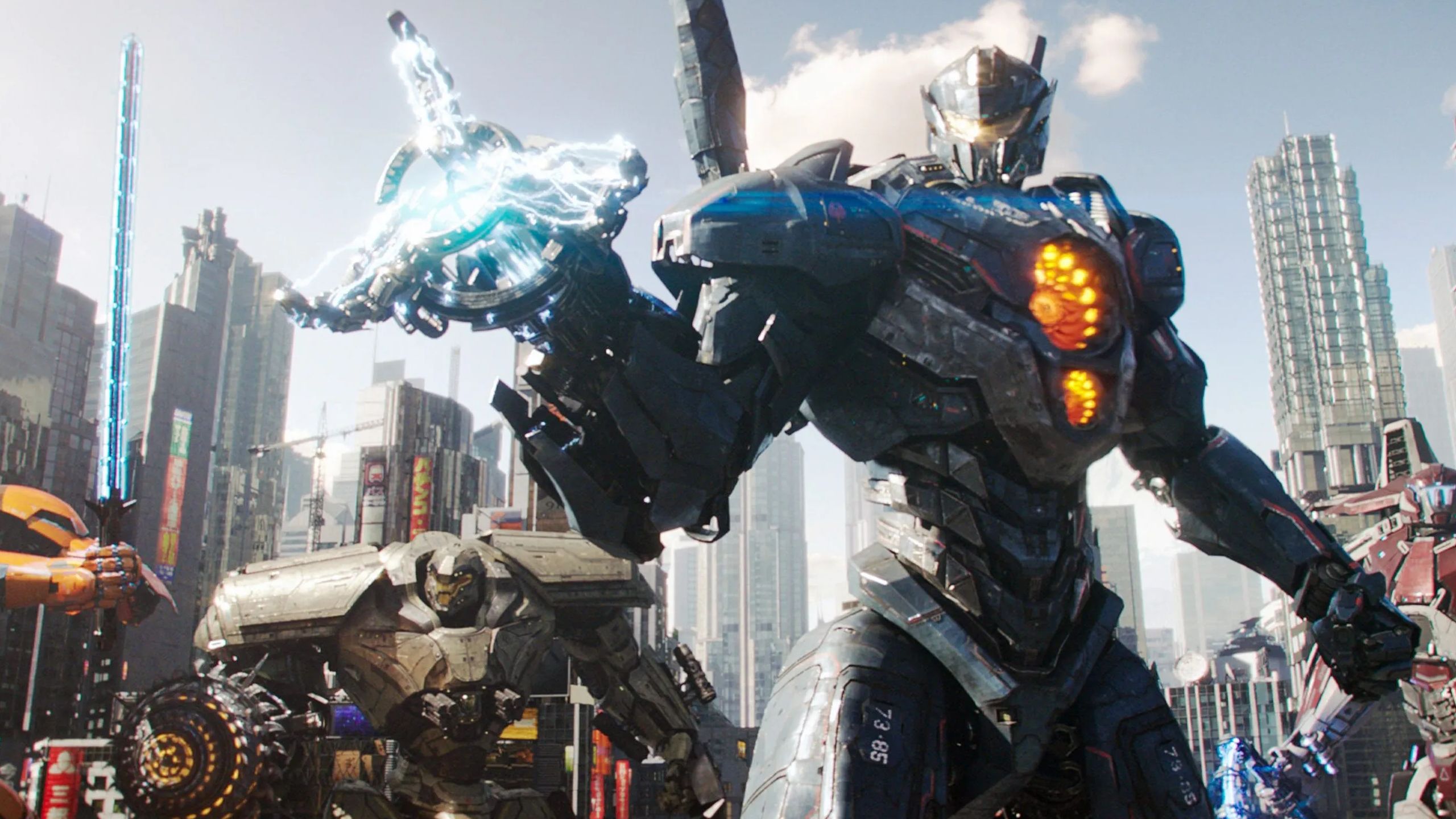
Del Toro further delved into his profound connection with the genre, highlighting the artistic innovations he pioneered in Pacific Rim. He noted how visual techniques he employed, such as the interplay of night, rain, and neon lights in the depiction of kaiju battles, have since become prevalent in subsequent monster movies. "It was such a joy," he reminisced, calling it "one of my favorite movies I ever shot." He also recounted coining two distinctive terms during the film’s development: "GothTech," signifying the fusion of gothic aesthetics with advanced technology, and "Smart-Stupid." The latter, he explained, involved treating a seemingly absurd premise—building giant robots to fight monsters when countless simpler solutions exist—with the utmost seriousness and meticulous rendering.

Related Post


His fascination with kaiju extends to their very design. Del Toro articulated an appreciation for the "ornamental, abstract beauty" inherent in many of these creatures. He contrasted kaiju based on natural animals (lobsters, reptiles) with those that are "architectural, beautiful, ornamental designs that are almost like pieces of pop art," citing characters like Guiron, inspired by a knife. His deep affection for these fantastical beings is so well-known that the Ultraman series even dedicated a planet, "Planet Guillermo," in his honor. He admires the Ultra Q, Ultraman, and Ultra 7 creatures for their ability to hover "on the verge of being silly but they are always beautiful."
Released in 2013, Pacific Rim arrived before del Toro’s Academy Award triumphs for The Shape of Water (2017) and Guillermo del Toro’s Pinocchio (2022), solidifying his status as a visionary filmmaker. The film garnered over $411 million globally against a $190 million budget. Its 2018 sequel, Pacific Rim: Uprising, notably lacked del Toro’s directorial touch and was met with a significantly less enthusiastic reception.
While the prospect of another del Toro-helmed kaiju epic is tantalizing, his immediate slate remains robust. He is currently attached to direct an animated adaptation of Nobel laureate Kazuo Ishiguro’s Arthurian fantasy novel, The Buried Giant, and the David Prior-directed The Boy in the Iron Box, based on del Toro and Chuck Hogan’s novella, is slated for 2026.
Beyond the realm of giant monsters, del Toro frequently muses on other dream projects. He has expressed interest in a fresh take on Phantom of the Opera, envisioning a unique adaptation of the classic tale. His long-standing association with the cosmic horror of H.P. Lovecraft also remains a topic of discussion, particularly his dormant plans for At the Mountains of Madness. During the AMA, he also shared his thoughts on other Lovecraft stories he’d consider adapting, suggesting The Thing On the Threshold, The Shadow Over Innsmouth, or The Outsider as ideal candidates for one-hour or thirty-minute television programs, given their length. He acknowledged the inherent difficulty in adapting Lovecraft’s "open" adjectives to the precise visual medium of film, citing Ridley Scott’s Alien and John Carpenter’s The Thing as the most successful "Lovecraftian" adaptations, despite not being direct adaptations.
Guillermo del Toro’s boundless imagination continues to fuel a diverse array of cinematic ambitions. As fans eagerly await his next endeavors, the tantalizing possibility of him once again unleashing colossal creatures and their mechanical adversaries on the big screen remains a thrilling prospect for the future of cinema, as reported by thescreescore.com.





Leave a Comment