
Thescreescore – The Mortal Kombat cinematic universe has always been a battleground, not just for its iconic fighters, but for critical acclaim. As anticipation builds for the 2025 sequel, Mortal Kombat II, director Simon McQuoid faces the monumental task of delivering a "flawless victory" that transcends the franchise’s checkered past. While the 2021 reboot offered a promising reset, the shadow of its much-maligned 1997 predecessor, Mortal Kombat: Annihilation, looms large – a film notorious for its abysmal critical reception, a veritable "record-breaking" low that nearly sealed the franchise’s cinematic fate for good. McQuoid’s return signals a clear intent to learn from these brutal lessons, aiming to forge a new legacy worthy of the Elder Gods.
The journey began in 1995 with Paul W.S. Anderson’s surprisingly impactful Mortal Kombat. Crafted on a modest $18 million budget, it defied expectations, dethroning Seven at the box office and grossing $23 million in its opening weekend alone. Anderson, then a nascent British filmmaker, skillfully translated the game’s essence, creating a touchstone for video game adaptations. Key to its success were memorable performances: Robin Shou’s portrayal of the vengeful Shaolin monk Liu Kang, who even choreographed his own fight sequences, and Christopher Lambert’s delightfully eccentric take on Lord Raiden, a role he reportedly secured for a cool million dollars plus profit shares. This initial foray remains widely celebrated as one of the most engaging game-to-screen transitions, cemented by The Immortals’ unforgettable "Techno Syndrome" anthem.
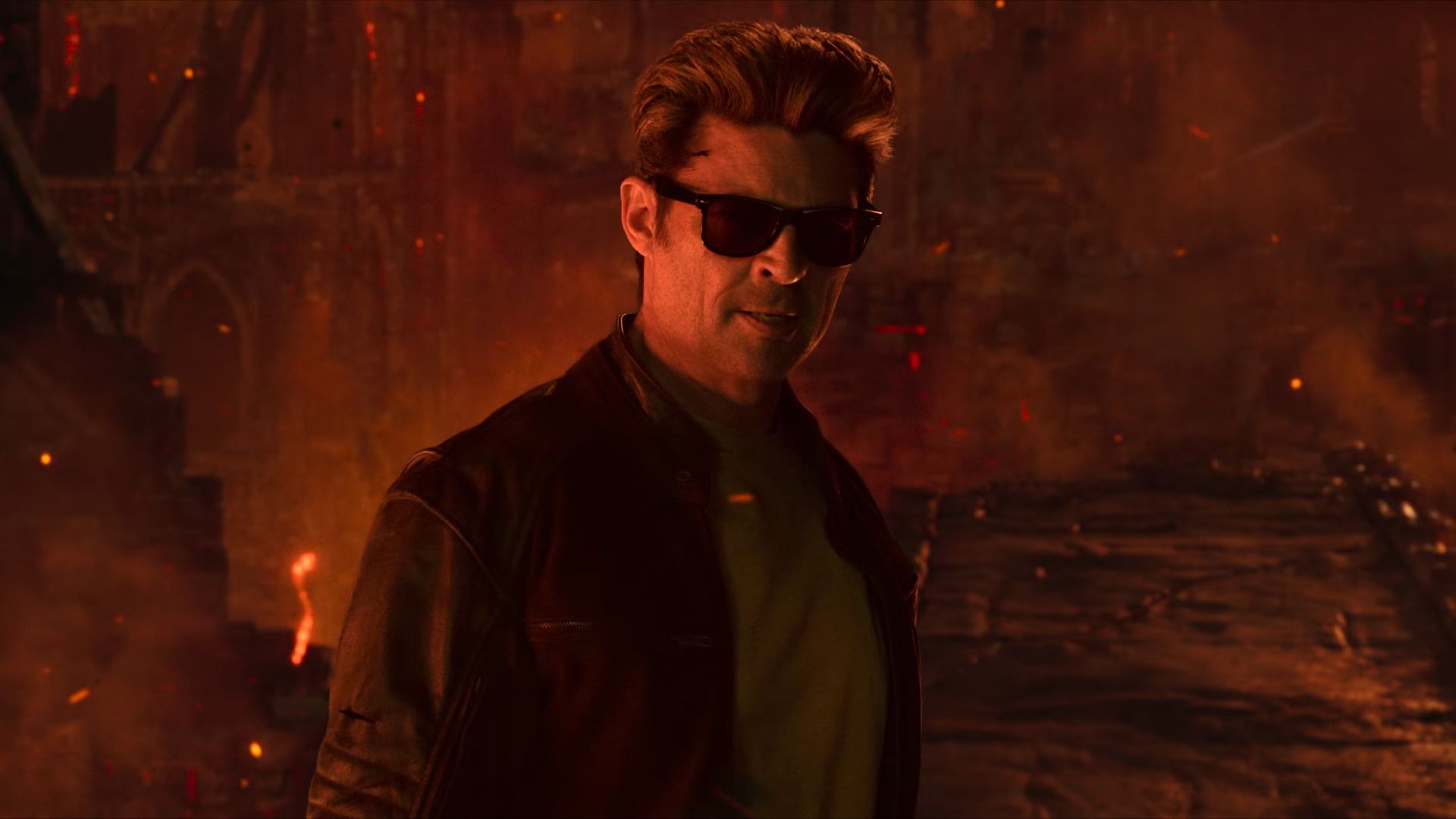
However, the momentum proved fleeting. Just two years later, Mortal Kombat: Annihilation crashed into theaters, a rushed and critically savaged follow-up. Directed by John R. Leonetti, the original’s cinematographer, Annihilation suffered from a reduced budget and a revolving door of recastings, including James Remar stepping in for Lambert as Raiden and Sandra Hess replacing Bridgette Wilson as Sonya Blade. Despite a deluge of fan-service character cameos – from Sheeva to Sindel and Motaro – the film was universally panned. Earning only $51 million worldwide against a $30 million budget, it became a cinematic punchline, often cited as one of the worst video game adaptations ever, effectively putting the franchise in a critical coma for decades.

Related Post


A new era dawned in 2021 with James Wan’s Atomic Monster producing a gritty reboot, helmed by Simon McQuoid. This iteration sought to ground the fantastical elements while retaining the brutal action. It introduced an original character, Cole Young (Lewis Tan), a struggling MMA fighter with a mysterious dragon mark, a narrative choice that sparked considerable debate among purists. Yet, the film delivered on visceral combat, particularly through Joe Taslim’s chilling portrayal of Bi-Han/Sub-Zero. His ice-knife choreography, especially in the feudal Japan prologue and the climactic showdown, garnered widespread praise, proving a highlight of the film’s over $80 million global box office run. The iconic "Techno Syndrome" also made a triumphant return, bridging the past with the present.
Now, the stage is set for Mortal Kombat II, slated for an October 24, 2025 release. Simon McQuoid returns to direct, bringing back much of the 2021 cast, including Lewis Tan, Joe Taslim (in a new role), Hiroyuki Sanada, Jessica McNamee, and Mehcad Brooks. The most anticipated addition is Karl Urban, stepping into the role of the brash Hollywood action star, Johnny Cage, a character notably absent from the previous film. Crucially, Mortal Kombat II promises to finally deliver the long-awaited Outworld tournament, a central pillar of the game’s lore that the 2021 reboot deliberately held back. This commitment to core narrative elements, combined with a seasoned cast and returning director, suggests a concerted effort to not only entertain but to critically succeed where Annihilation catastrophically failed.
The Mortal Kombat film franchise has navigated a tumultuous path, from cult classic status to critical ignominy and a subsequent gritty revival. As Mortal Kombat II prepares to unleash its fatalities on screen, the stakes are higher than ever. Director Simon McQuoid, by continuing to build upon the 2021 foundation and incorporating beloved characters and storylines, is implicitly addressing the franchise’s past struggles. The hope is that this new chapter will not only resonate with fans but also achieve the critical "flawless victory" that has largely eluded the series, cementing its place as a formidable force in the cinematic realm.






Leave a Comment