
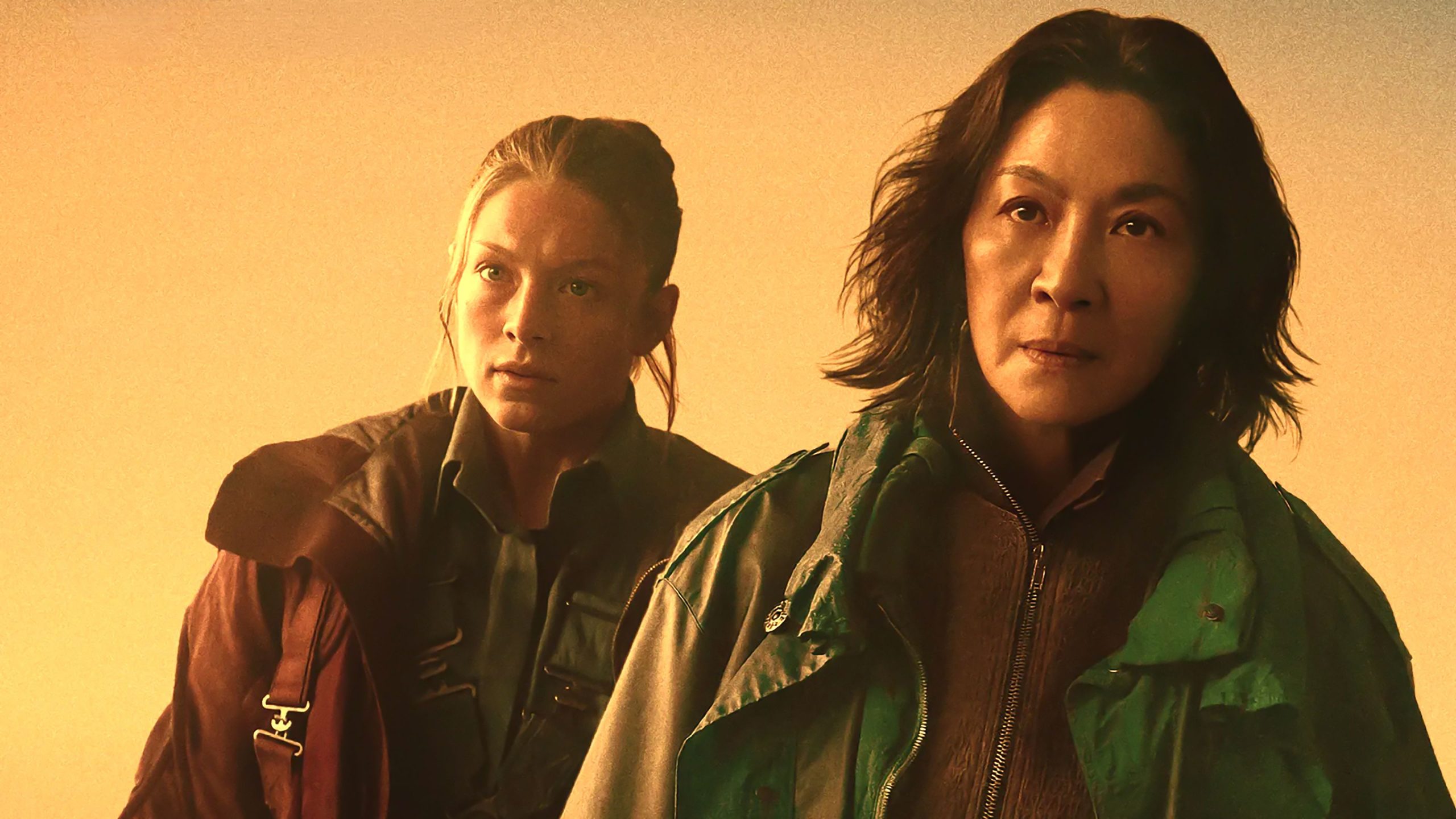
Thescreescore – While the Blade Runner legacy has long been defined by its haunting neon aesthetics and philosophical inquiries into the soul, its latest evolution, Blade Runner 2099, is rewriting the very DNA of the franchise. As the most anticipated sci-fi epic of 2026, this Prime Video series doesn’t just expand the universe; it upends the power dynamics we thought were set in stone. While critical reception has been a cocktail of polarized opinions, there is no denying that this installment is a monumental shift for the cyberpunk genre.
A Paradigm Shift in the Cyberpunk Landscape
For decades, the Blade Runner mythos centered on the hunt for rogue replicants—artificial beings seeking more life. However, Blade Runner 2099 flips the script entirely. We are no longer looking at a world where humans dominate; instead, we enter an era where replicants have emerged victorious from a devastating conflict with humanity. In this new social order, humans have been relegated to off-world labor, while replicants remain on Earth to repair the ecological wreckage left behind by mankind.

Related Post


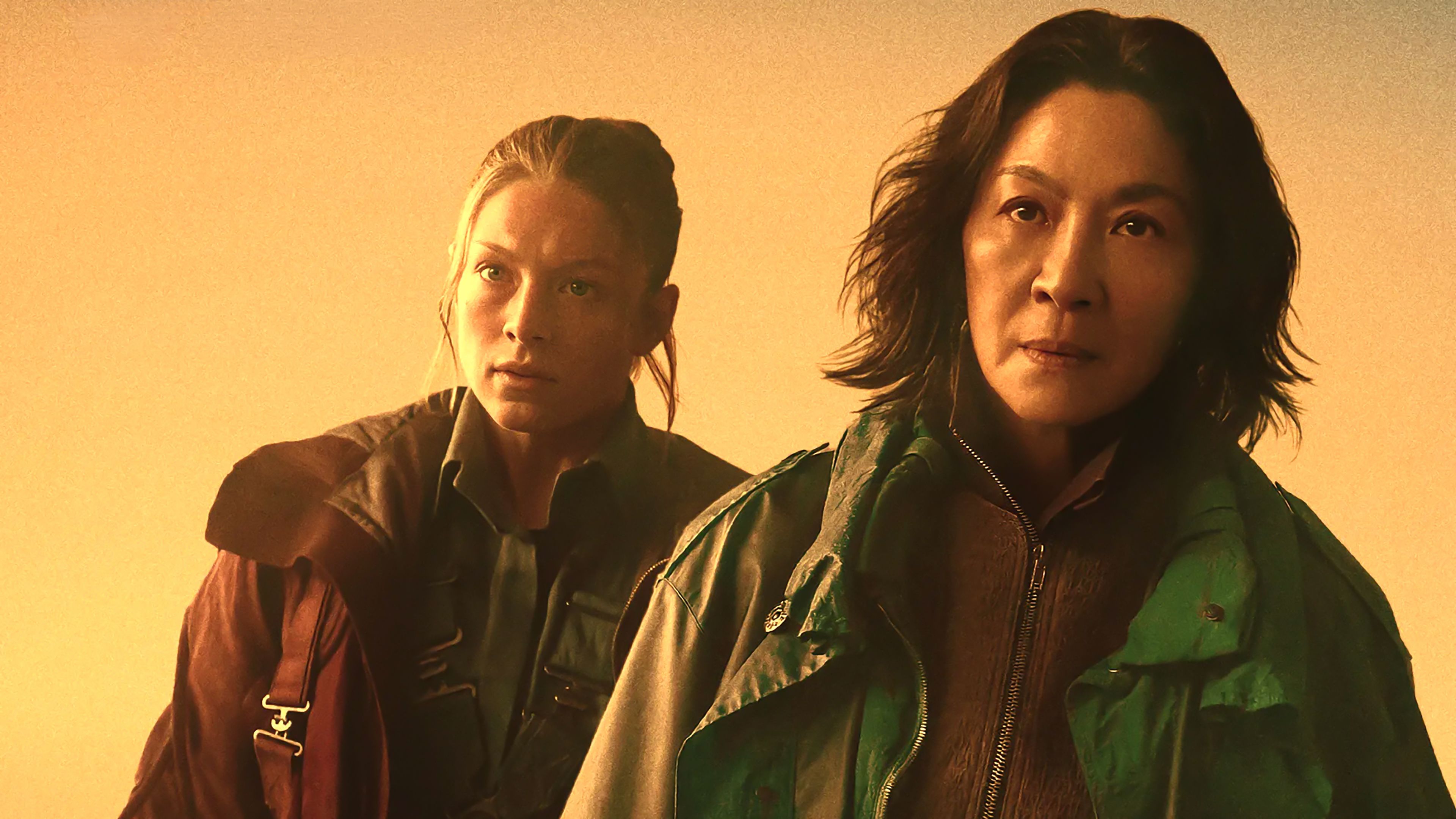
The narrative follows a gritty, noir-inspired mystery involving an unlikely duo: Cora, a human woman living a dangerous double life by posing as a replicant, and Olwen, a veteran replicant Blade Runner facing her own imminent expiration. Together, they navigate a conspiracy involving the disappearance of a fellow officer, Marek Blau, and a quest for a relic belonging to the legendary Eldon Tyrell.
Navigating the New Timeline
The series introduces the most significant temporal leap in the franchise’s history, jumping nearly fifty years past the events of Blade Runner 2049. To understand the stakes, one must look at the timeline of upheaval:
- 2000–2036: The era of replicant creation and the rise of the Wallace Corporation.
- 2049: The pivotal events of the second film.
- 2076–2083: The catastrophic Replicant-Human War, which fundamentally altered the course of history.
- 2099: The current setting of the series, where the hierarchy of Earth has been permanently inverted.
The Faces of the Future
The strength of this series lies in its complex, morally gray ensemble. Hunter Schafer delivers a compelling performance as Cora, a survivor driven by the need to protect her brother, Elias. Her ability to pass the Voight-Kampff test makes her a master of deception in a world where one slip-up means death.
Opposite her is the formidable Olwen (Michelle Yeoh). A Nexus-9 replicant with only eight days of life remaining, Olwen brings a weary, seasoned perspective to the investigation. Her history with the missing Marek Blau adds a layer of personal stakes to an already high-octane mystery.
The shadows of the series are filled with other pivotal players: Bebeto (Dimitri Abold), a criminal fixer facilitating Cora’s deception; Marek Blau (Johnny Harris), the enigmatic fugitive at the heart of the plot; and Julius (Tom Burke), a charismatic but dangerous leader of a rogue replicant faction promising eternal life.
As Blade Runner 2099 pushes the boundaries of what this franchise can be, it asks the same haunting question that started it all: in a world where the lines between biological and artificial are blurred, what does it truly mean to be alive?







Leave a Comment