
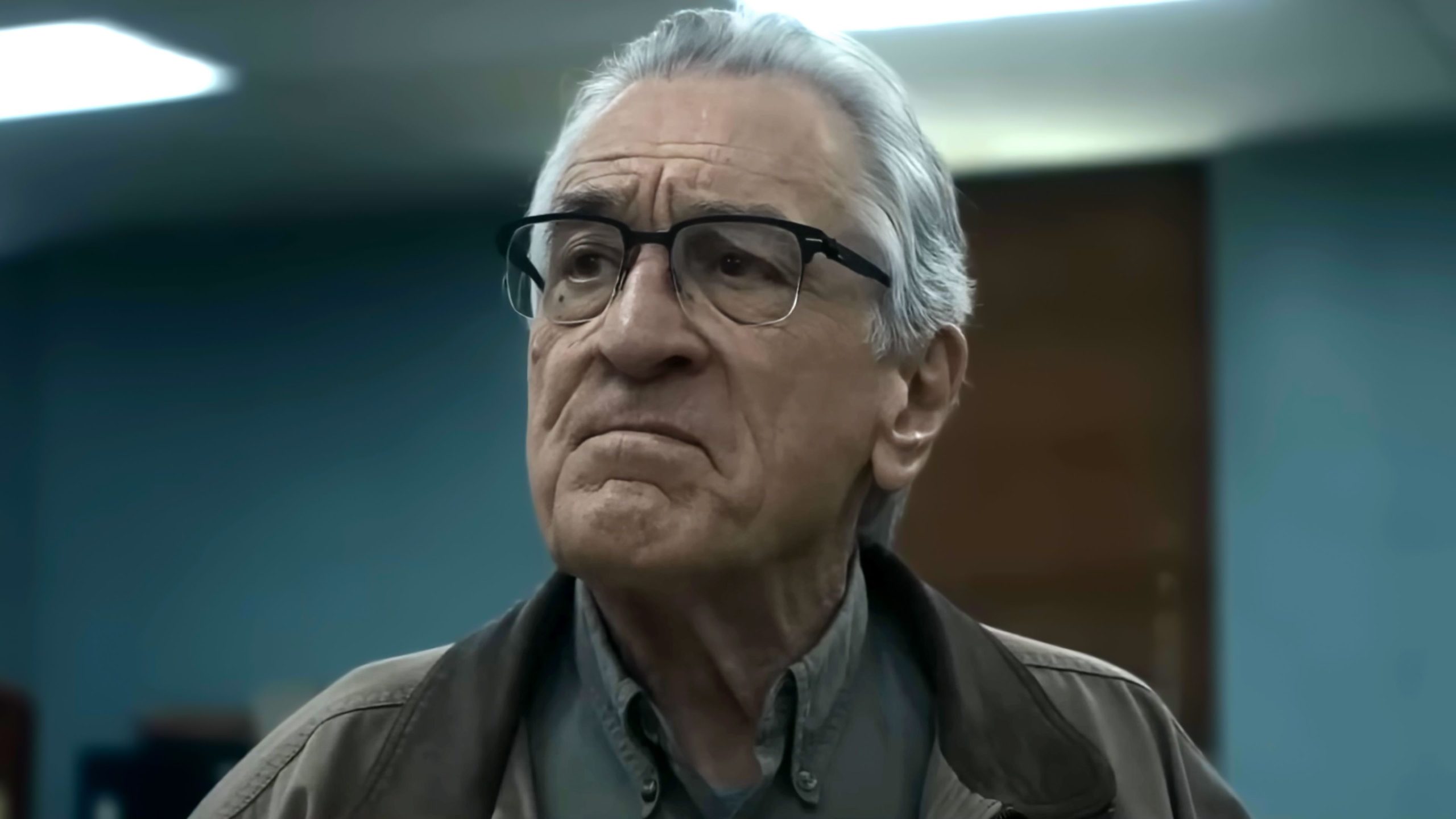
Thescreescore – Robert De Niro, a titan of cinematic history, has consistently redefined the boundaries of method acting throughout his illustrious career. While his iconic performances are etched into the collective consciousness of film enthusiasts, the profound depth of his commitment to each role often remains unseen. From extreme physical transformations to meticulous research, De Niro’s dedication to his craft is a testament to his legendary status, shaping characters that resonate long after the credits roll.
Long before he became a household name with "Mean Streets," De Niro was already showcasing his immersive approach. In the 1973 baseball drama Bang the Drum Slowly, he portrayed Bruce Pearson, a slow-witted, terminally ill catcher. His preparation involved weeks embedded in minor-league spring training in Georgia, where he diligently mastered the nuances of chewing tobacco and squatting behind the plate. This early, critically acclaimed performance, earning him a Best Supporting Actor award from the National Society of Film Critics, foreshadowed the intensity he would bring to future roles, notably priming him for his pivotal Godfather Part II auditions.
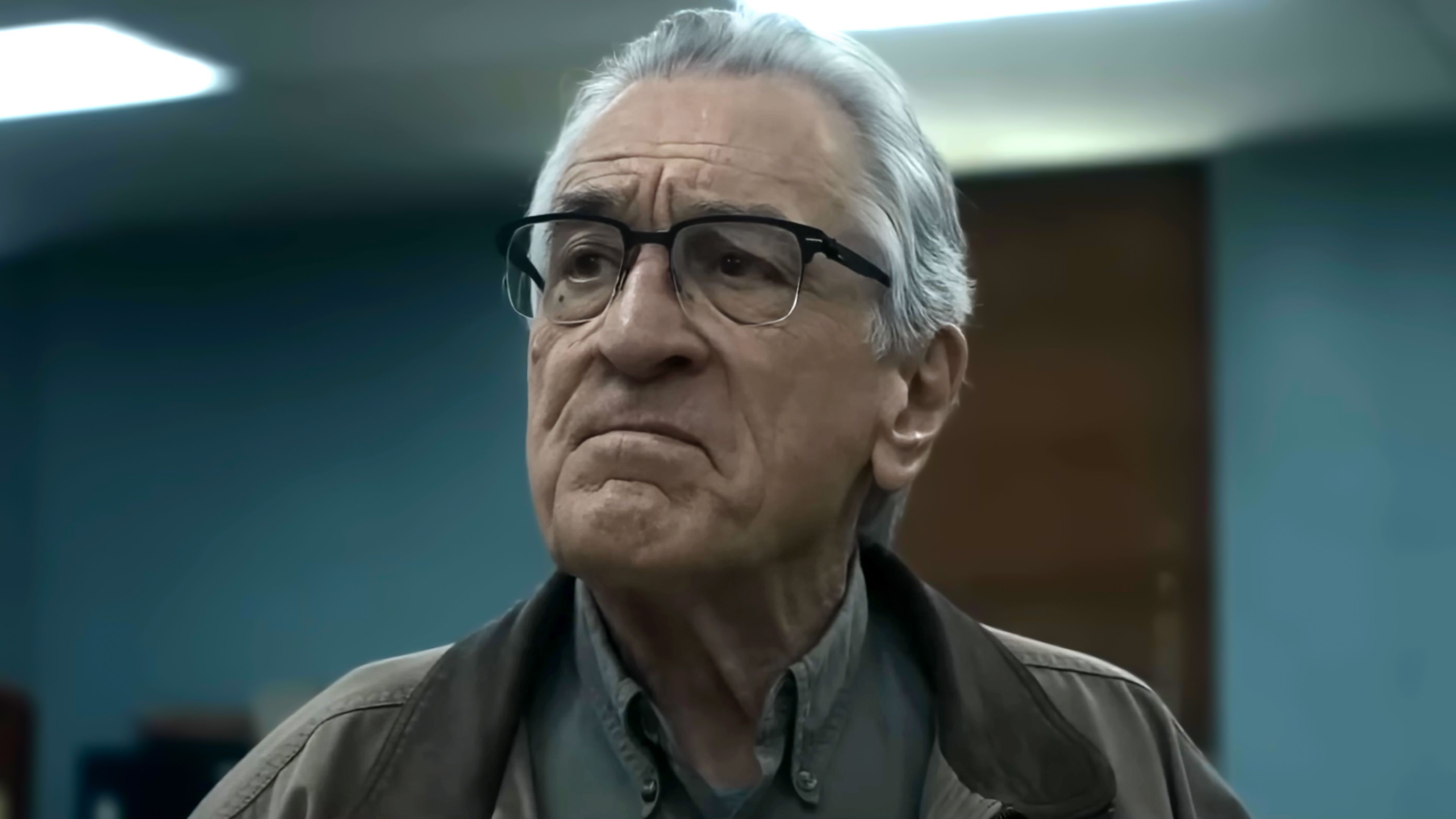
De Niro’s physical transformations are legendary. For Brian De Palma’s 1987 prohibition epic, The Untouchables, he famously gained approximately 30 pounds and meticulously shaved his hairline to embody Al Capone. His commitment extended to intricate details, even insisting on wearing custom-made silk underwear from Sulka, a firm known to have tailored for Capone himself. Despite appearing for less than twenty minutes, his portrayal of the notorious gangster dominated every frame, leaving an indelible mark with his swaggering "baseball bat" speech.

Related Post


Perhaps even more striking was his commitment to the 1991 Scorsese remake of Cape Fear. To authentically portray the menacing, tattooed ex-con Max Cady, De Niro reportedly paid a dentist a substantial sum to grind down his teeth, only to incur further costs post-filming to restore them. At 47, he achieved remarkable physical conditioning, boasting a physique comparable to a professional athlete, and immersed himself in studying real Southern preachers to perfect Cady’s Pentecostal cadence. This intense dedication earned him an Oscar nomination, further solidifying his reputation for unparalleled character immersion.
Beyond his acting prowess, De Niro also ventured behind the camera. His directorial debut, A Bronx Tale (1993), was a poignant coming-of-age story set in the 1960s, adapted from Chazz Palminteri’s acclaimed one-man play. De Niro not only produced and directed but also co-starred as the principled bus driver Lorenzo Anello, a working-class father. This film, alongside 2006’s The Good Shepherd, represents his only two directorial features, demonstrating another facet of his storytelling ambition, later extending to co-directing a Broadway musical adaptation of A Bronx Tale.
His ability to inhabit diverse roles is further exemplified in Awakenings (1990), where he played Leonard Lowe, a man emerging from a decades-long catatonic state. De Niro spent weeks observing actual encephalitis-lethargica patients at the Bronx Psychiatric Center, meticulously studying their movements and mannerisms. His portrayal was so uncannily accurate that real patients on the ward noted its precision, a testament to his sensitive and physically delicate performance, which earned him another Best Actor Oscar nomination.
In Casino (1995), De Niro’s portrayal of Sam "Ace" Rothstein, a meticulous sportsbook genius, was deeply rooted in reality. The character was a thinly fictionalized version of Frank "Lefty" Rosenthal, a real-life Vegas figure who managed several casinos for the Chicago Outfit. De Niro’s preparation involved extensive study, including hours spent reviewing Rosenthal’s late-1970s local television talk show appearances, ensuring an authentic depiction of the complex figure.
Even in later career comedic roles, De Niro maintained his signature gravitas. His turn as the polygraph-wielding ex-CIA father-in-law Jack Byrnes in Meet the Parents (2000) launched a hugely successful trilogy. The comedic brilliance stemmed from the stark contrast between De Niro’s stone-faced intensity and Ben Stiller’s flustered portrayal, a dynamic that resonated with audiences worldwide, contributing to the franchise’s billion-dollar global gross.
More recently, his performance as Pat Sr., an OCD-prone, Eagles-obsessed Philadelphia father in Silver Linings Playbook (2012), earned him his eighth Academy Award nomination. Reportedly, De Niro was so moved by the material that he shed tears on set during a powerful monologue, acknowledging the rarity of such deeply resonant scripts. This role, his first Best Supporting Actor nod since Godfather Part II nearly four decades prior, underscored his enduring ability to deliver emotionally charged performances, a legacy further cemented by his ninth nomination for Killers of the Flower Moon in 2023.
Robert De Niro’s career is not merely a collection of memorable performances but a masterclass in the art of acting. His willingness to push personal and professional boundaries, whether through physical transformation, exhaustive research, or profound emotional immersion, distinguishes him as a true cinematic icon. His unparalleled dedication ensures that each character he brings to life is not just played, but truly inhabited, leaving an indelible mark on the fabric of film history, as detailed on thescreescore.com.





Leave a Comment