
Thescreescore – While the global conversation around caped crusaders is often dominated by the American giants of Marvel and DC, the true history of the superhero is a much more diverse, international tapestry. From the manga-driven landscapes of Japan to the vibrant storytelling of India and the classic radio serials of Mexico, heroes have been evolving far beyond the borders of the United States. This list examines ten legendary figures born outside the U.S., ranked by their cultural weight, originality, and lasting impact on the global stage.
10. Captain Canuck
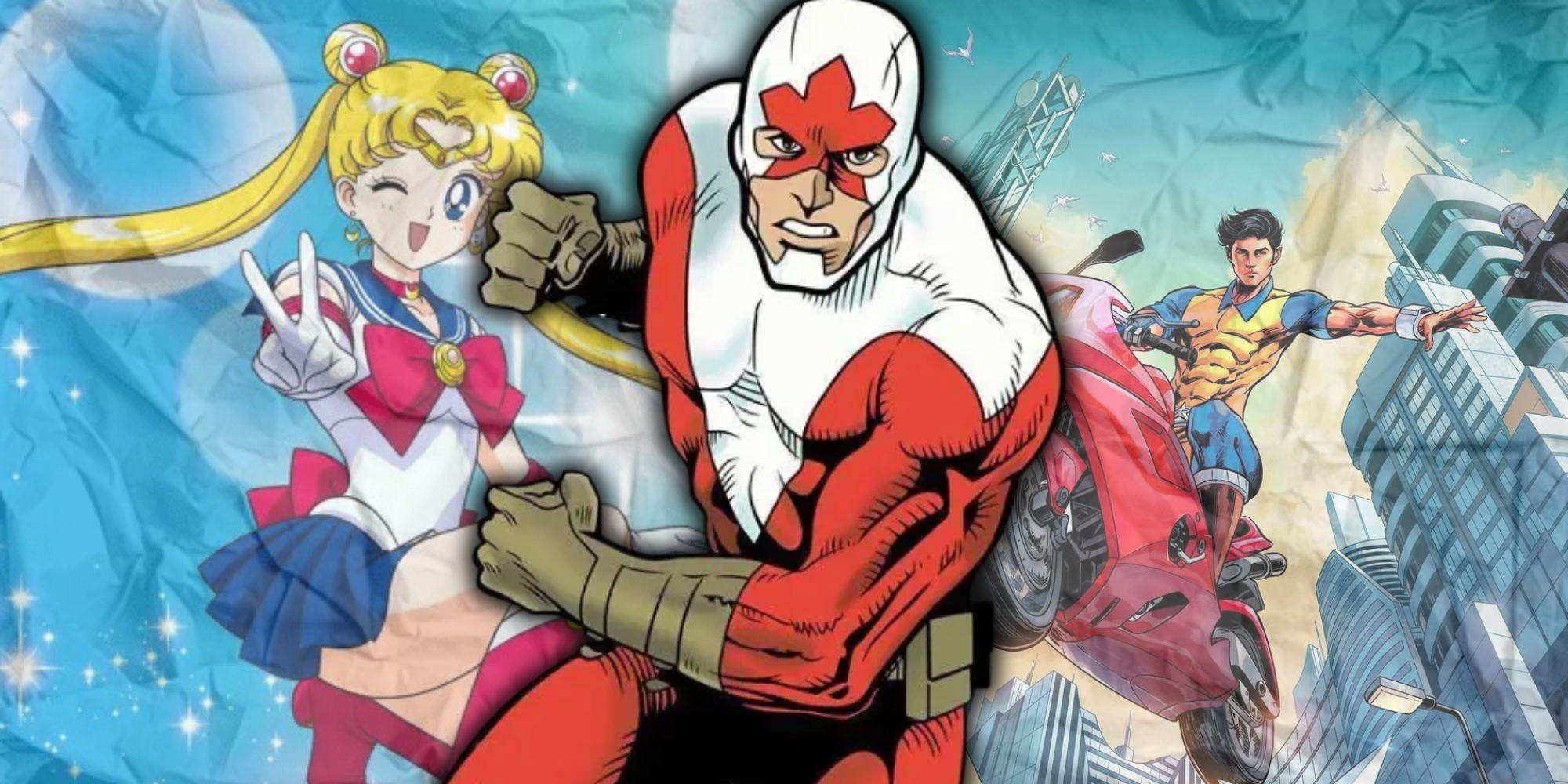
Representing the pride of Canada, Tom Evans—better known as Captain Canuck—emerged in 1975 as a distinctly North American answer to the superhero genre. Created by Richard Comely, this red-and-white clad protector proved that Canadian identity could hold its own in a medium often criticized for being too "Americanized."

Related Post

9. Super Commando Dhruva
In 1987, Raj Comics introduced India to a hero who didn’t need flight or super-strength to be legendary. Dhruva, a master of martial arts and detective work, relies on pure human intellect and discipline. He remains a cornerstone of Indian comic culture, proving that resourcefulness is a superpower in its own right.
8. Nagraj
Also hailing from the Raj Comics stable, Nagraj arrived in 1986 to weave Indian mythology into the superhero fabric. With the ability to command serpents and possess superhuman strength, Nagraj’s unique power set helped establish a massive, dedicated fanbase across the subcontinent.
7. Kalimán
A true legend of Mexican pop culture, Kalimán began as a radio sensation in 1963 before conquering the comic book world. Eschewing brute force for mental acuity, hypnosis, and martial arts, his long-running adventures became a cornerstone of Latin American storytelling.
6. The Steel Claw
The British comic scene offered something uniquely gritty with The Steel Claw. Debuting in 1962, Louis Crandell’s ability to turn invisible—leaving only his metallic hand visible—created a haunting visual that stood in stark contrast to the bright, optimistic heroes of the era.
5. Miracleman
Originally appearing as Marvelman in the UK, this character underwent one of the most fascinating evolutions in comic history. While he started as a simple hero, the 1980s reinventions by legends like Alan Moore transformed him into a complex, dark exploration of godhood and responsibility.
4. Sailor Moon
Naoko Takeuchi’s 1992 masterpiece did more than just tell a story; it redefined the "magical girl" genre. By blending cosmic stakes with themes of friendship and femininity, Sailor Moon became a global phenomenon that paved the way for female-led manga to dominate international markets.
3. Kamen Rider
A titan of Japanese television, Kamen Rider has been a staple since 1971. Centered on cyborgs fighting against evil organizations, the franchise’s emphasis on high-octane martial arts and dramatic transformations has sustained a massive, multi-generational legacy.
2. Ultraman
Tsuburaya Productions’ 1966 creation brought a sense of cosmic scale to the small screen. As a giant alien protector, Ultraman moved away from the "man in a suit" crime-fighting trope and toward spectacular, special-effects-driven battles against kaiju, setting a standard for Japanese sci-fi.
1. Astro Boy
No discussion of global icons is complete without Osamu Tezuka’s Astro Boy. Emerging in 1952, this robot hero became the cornerstone of the anime industry. By blending high-stakes action with profound questions regarding technology and human empathy, Astro Boy remains the ultimate blueprint for the modern animated hero.





Leave a Comment