
<strong>Thescreescore – </strong>In a bold move that reimagines one of comic book history’s most sacred hierarchies, DC has unveiled a powerhouse lineup consisting entirely of female icons. While the Justice League of America began in 1960 with Wonder Woman as the lone female presence among the founding seven, the roster has evolved significantly over the decades. From the street-level grit of Black Canary to the cosmic elegance of Zatanna and Hawkgirl, the League has long been a melting pot of talent. However, a new vision is emerging that brings these legendary women together in a way we have never seen before.
The excitement stems from a stunning new variant cover for Justice League Unlimited #25, illustrated by Nathan Szerdy. In a masterful homage to Jim Lee’s legendary New 52 cover, Szerdy swaps the traditional male heavyweights for a dynamic squad of heroines. This isn’t just a cosmetic change; it is a strategic assembly of power. Wonder Woman remains the central anchor, but she is flanked by a diverse array of abilities that promise to redefine the team’s tactical approach.
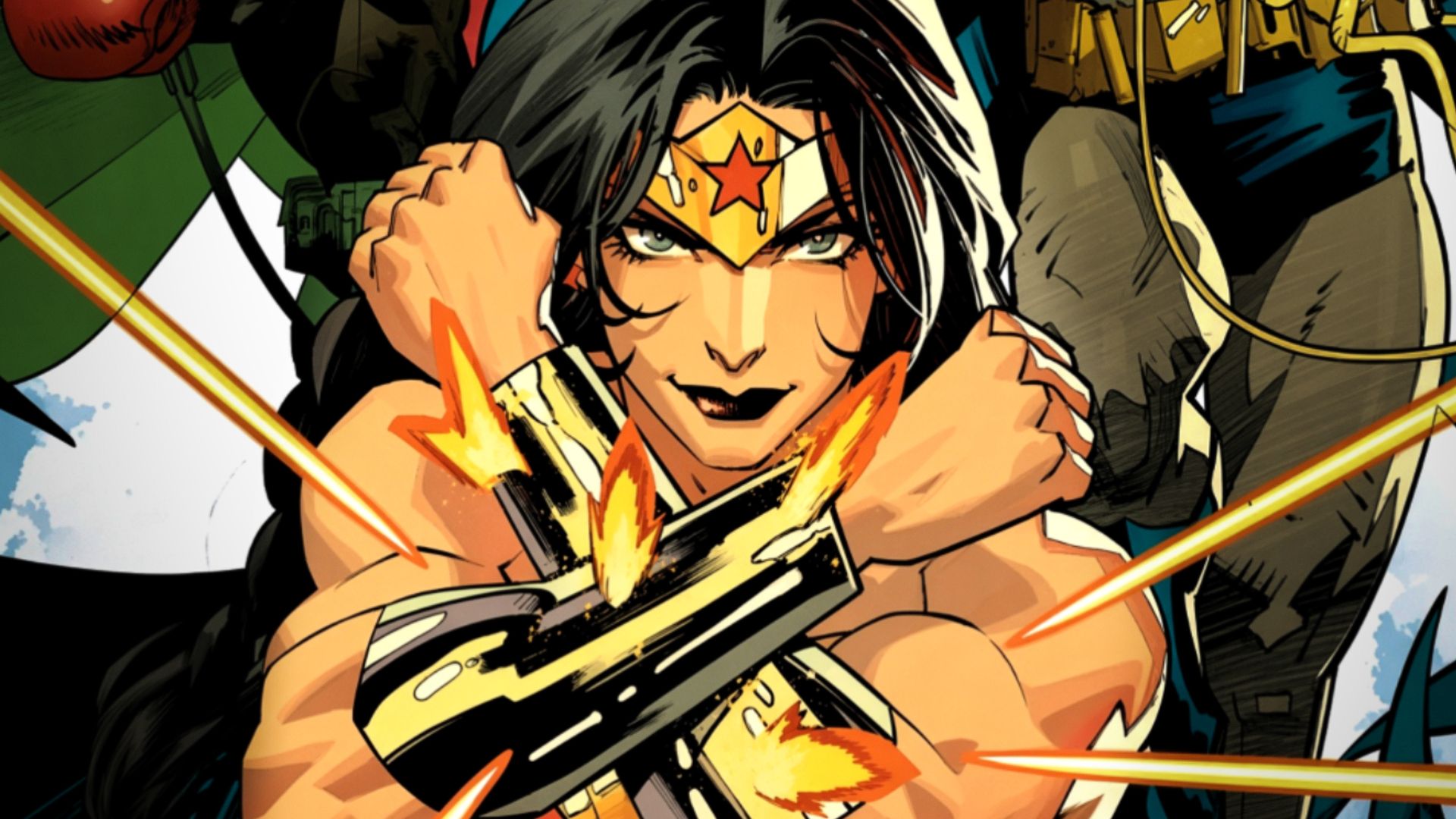
The new roster features a fascinating blend of eras and power sets:

Related Post


- Wonder Woman (Diana Prince): The divine centerpiece, offering unmatched combat mastery and superhuman strength.
- Mary Marvel (Mary Bromfield): A veteran powerhouse who channels the magic of "Shazam" for incredible speed and stamina.
- Dreamer (Nia Nal): The team’s essential precognitive, utilizing astral projection and dream-based visions to foresee cosmic threats.
- Star Sapphire (Carol Ferris): A cosmic force wielding a violet power ring fueled by the energy of love.
- Vixen (Mari Jiwe McCabe): A versatile combatant who mimics the abilities of the animal kingdom via the Tantu Totem.
- The Question (Renee Montoya): The tactical mind and master detective providing essential investigative depth.
- Owlwoman: A high-tech anomaly from the 853rd century, bringing genius-level intellect and telepathic capabilities.
What makes this assembly particularly compelling is the narrative weight behind it. Unlike the brief, somewhat criticized all-female moment in Marvel’s Avengers: Endgame, which many felt lacked organic development, DC is utilizing the monthly storytelling format of Justice League Unlimited to build a legitimate foundation. Written by Mark Waid with art by Dan Mora, this team isn’t just a cameo; they are a necessity. With Dreamer’s visions of Darkseid’s impending crisis and Owlwoman’s displacement in time, the stakes are deeply personal for every member.
As the DC Universe prepares for massive cosmic shifts, this all-female task force represents more than just a change in gender dynamics—it represents a tactical evolution. By uniting these specific heroines, DC is proving that the future of the Justice League is not just bright, but formidable.





Leave a Comment