
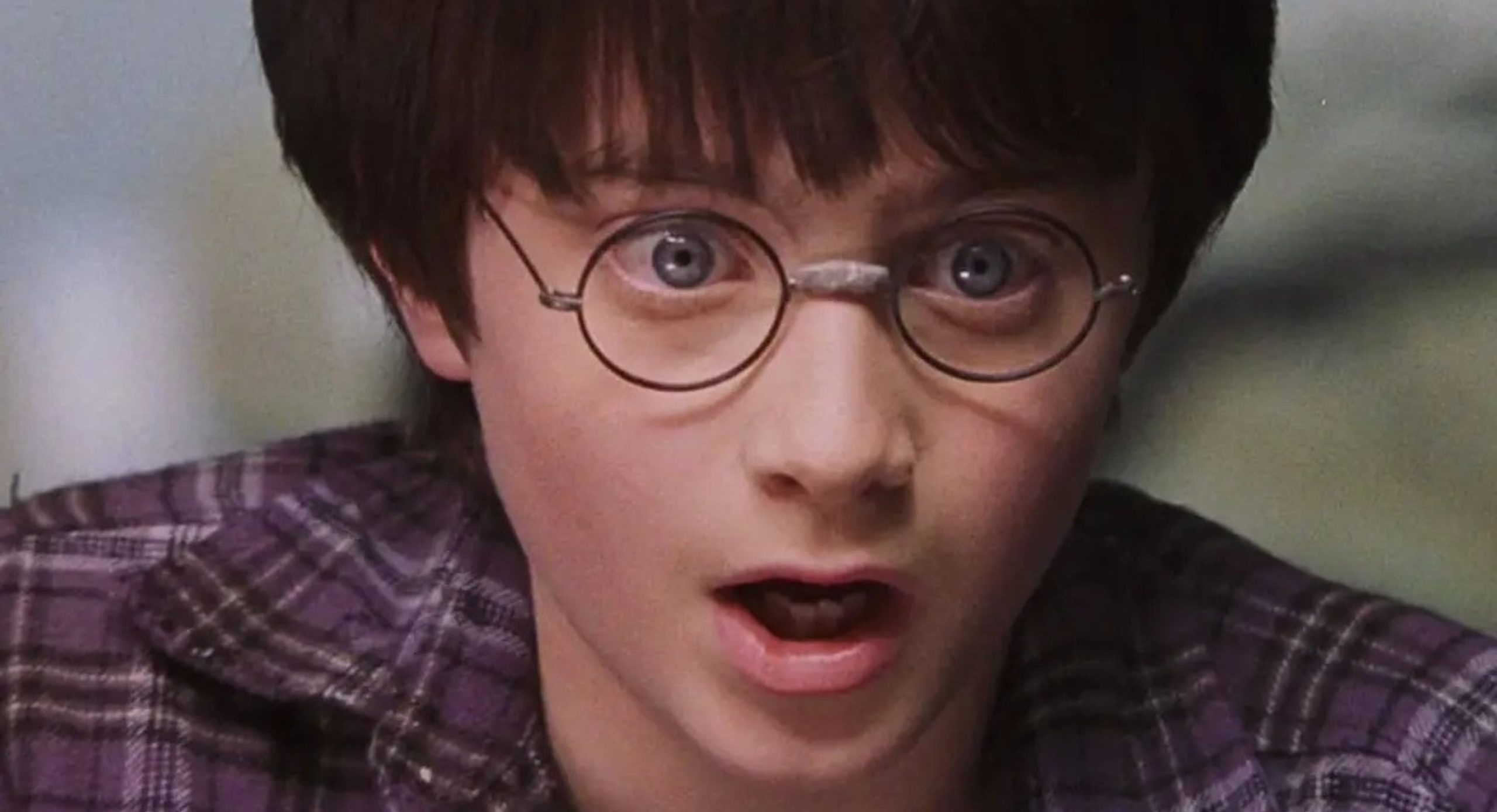
Thescreescore – In the realm of modern fantasy, the shadow of J.R.R. Tolkien looms larger than any other creator. His seminal work, The Lord of the Rings, established the very blueprint of the genre, making it nearly impossible for any subsequent author to avoid his influence. However, there is a fine line between paying homage to a master and leaning too heavily on his established tropes. When analyzing the Wizarding World, one cannot help but notice that J.K. Rowling’s magical tapestry shares some strikingly familiar threads with the legends of Middle-earth.
While the Harry Potter series stands as a cultural phenomenon in its own right, a deep dive into its narrative architecture reveals several elements that feel remarkably derivative of Tolkien’s legacy.
1. The Soul-Bound Artifacts
The most profound connection lies in the mechanics of villainous immortality. In Tolkien’s epic, Sauron is tethered to the physical world through the One Ring; as long as it exists, his essence remains. Similarly, Voldemort’s survival is predicated on his Horcruxes. While Rowling expands this into a multi-object scavenger hunt, the fundamental concept—that a Dark Lord cannot be truly vanquished without first destroying specific magical vessels containing his essence—is a direct narrative echo of the One Ring.

Related Post


2. Mirrors of Revelation
The Mirror of Erised serves as a pivotal moment of character development for Harry, reflecting his deepest heart’s desires. Yet, this concept of a mystical reflective surface providing cryptic or emotional truths was mastered decades earlier by Galadriel’s Mirror. Both objects function as narrative tools to test a hero’s resolve and provide visions that shape their psychological journey.
3. The Sniveling Henchman
Character archetypes often cross genre lines, but the resemblance between Peter Pettigrew and Gríma Wormtongue is difficult to ignore. Both characters occupy the role of the cowardly, low-status servant who trades dignity for the perceived protection of a Dark Lord. Even the moniker "Wormtail" feels like a linguistic nod to the treacherous Wormtongue.
4. Harbingers of Despair
The Dementors are perhaps the most terrifying inhabitants of the Wizarding World, known for draining hope and joy. This atmospheric dread mirrors the presence of the Nazgûl. While the Nazgûl use physical terror and psychological intimidation, both groups of spectral servants serve the same purpose: they are the heralds of an overwhelming, soul-crushing darkness.
5. The Misfit Alliance
The Order of the Phoenix functions as a ragtag resistance, much like the Fellowship of the Ring. Both stories rely on the tension of disparate personalities—individuals who would normally clash—being forced into a singular, desperate alliance to combat an existential evil.
6. The Brute Force Trolls
In folklore, trolls vary wildly, but Rowling’s interpretation leans heavily toward the lumbering, dim-witted, club-wielding monsters popularized by Tolkien. These creatures serve as immediate physical obstacles that highlight the heroes’ intelligence over raw strength.
7. The Wise Mentor Archetype
Albus Dumbledore and Gandalf share more than just long white beards. Both are ancient, powerful sorcerers who guide young protagonists through indirect wisdom and playful eccentricity. Crucially, both narratives utilize the "absence of the mentor" to force the hero into a premature, terrifying maturity.
8. Sentient Flora
The Whomping Willow provides a dangerous, unpredictable obstacle within the Hogwarts grounds. This concept of a landscape that actively seeks to harm the protagonist bears a striking resemblance to Tolkien’s Old Man Willow, which turns the Old Forest into a sentient trap for the Hobbits.
9. Arachnid Nightmares
Finally, the encounter with Aragog in the Forbidden Forest mirrors the harrowing experience of encountering Shelob in the tunnels of Cirith Ungol. Both stories utilize the primal fear of giant, man-eating spiders to shift the scale of the conflict from a grand war to an intimate struggle for survival.
While these similarities don’t strip the Harry Potter series of its magic, they do suggest that the Wizarding World is a house built upon the very foundations laid by Middle-earth.




Leave a Comment