
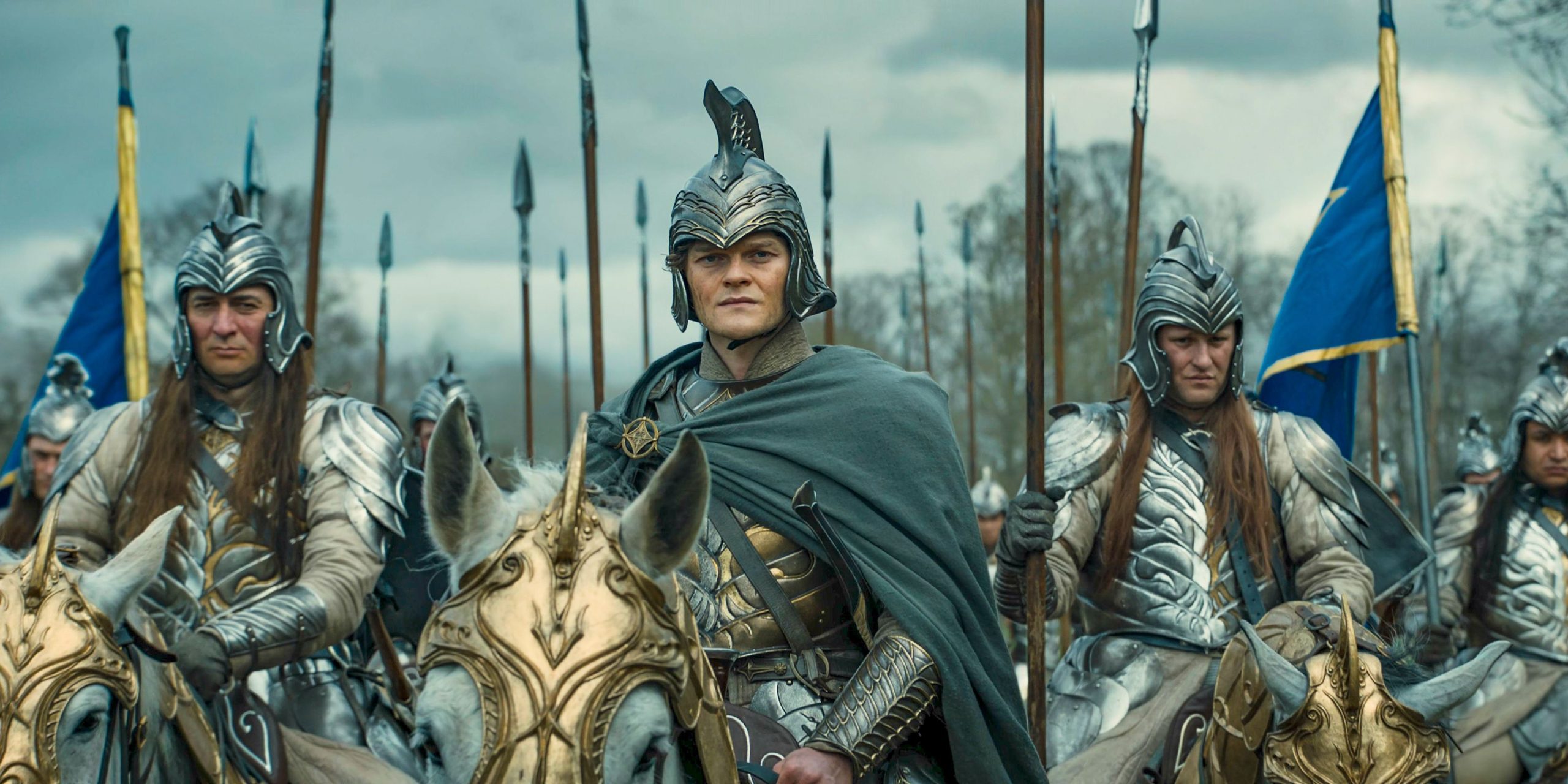
<strong>Thescreescore – </strong> J.R.R. Tolkien was a master architect of myth, constructing a world so dense with history that even the most seasoned fans often scratch the surface. Nowhere is this complexity more evident than in the Elven race. While casual viewers might see them as a monolithic group of ethereal archers, the lore reveals a fractured, fascinating tapestry of lineages. From the divine halls of Valinor to the shadowed forests of Middle-earth, the Elves are divided by their choices, their journeys, and their very connection to the light of the world.
As The Rings of Power continues to peel back the layers of the Second Age, we take a deep dive into the ten distinct classifications of Elves that define Tolkien’s legendary mythos.
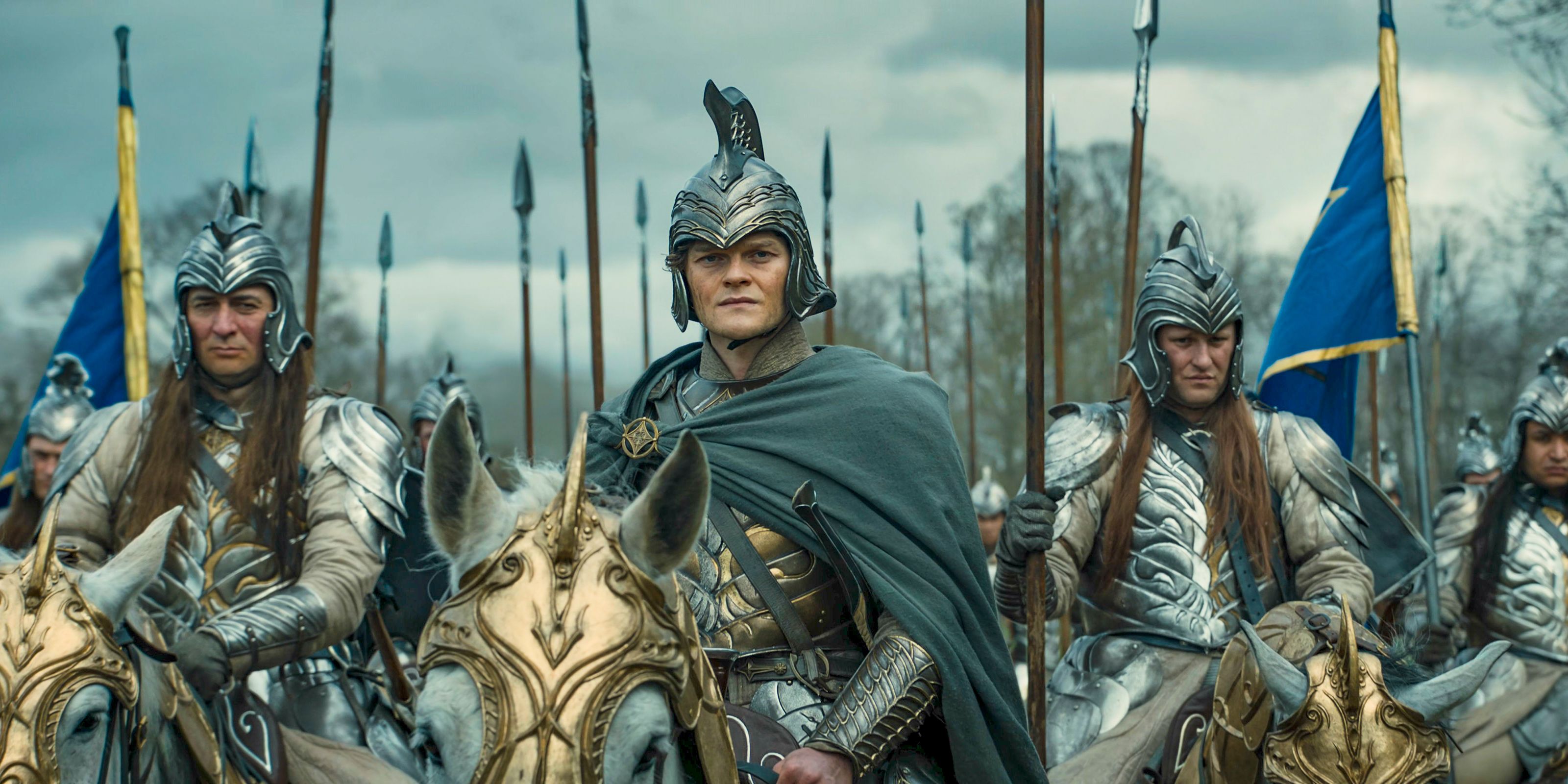
1. The Eldar (The High Elves)
The Eldar represent the elite tier of Elvenkind. These are the "West Elves" who answered the summons of the Valar to journey to the undying lands of Aman. This group is the primary branch of Elven history, further subdivided into the Vanyar, Noldor, and Teleri. Their decision to leave Middle-earth set them apart from all other kin.

Related Post

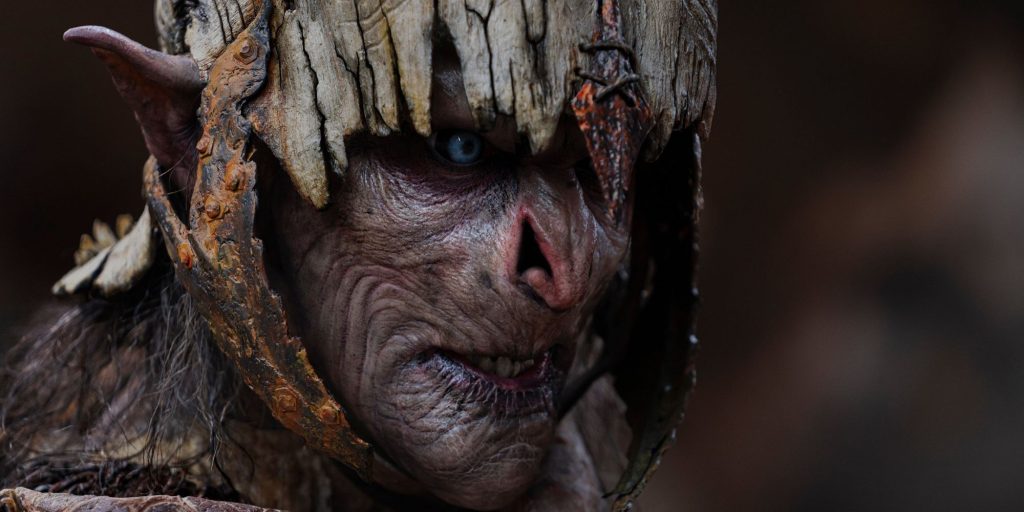
2. The Avari (The Unwilling)
While the Eldar sought paradise, the Avari chose the wild. Known as "the unwilling," these Elves refused the call to the West. Some stayed out of a desire for independence, while others may have been misled by the dark influence of Melkor. They are often referred to as the Moriquendi (Dark Elves) because they never witnessed the light of the Two Trees in Valinor.
3. The Vanyar (The Fair Elves)
The most ethereal of the Eldar, the Vanyar are characterized by their golden hair and ivory skin. They are the most devoted to the Valar and, upon reaching Aman, chose to remain there in eternal peace. Their influence is felt through bloodlines; for instance, the golden hair of Galadriel can be traced back to this noble group.
4. The Noldor (The Deep Elves)
If the Vanyar are the spirit, the Noldor are the intellect. Renowned for their unparalleled craftsmanship and artistry, the Noldor were the smiths of the Elven world. This lineage produced legends like Fëanor and Galadriel. Their history is one of both immense creation and tragic rebellion, as many returned to Middle-earth to wage war against Morgoth.
5. The Teleri (The Singers)
The Teleri are defined by their profound connection to the sea and their melodic voices. As the largest of the three Eldar subgroups, they were masters of navigation. Their history is a sprawling saga of migration, with many branches settling in various corners of Middle-earth rather than completing the journey to the West.
6. The Falmari
A specific subset of the Teleri, the Falmari are those who began the Great Journey but paused on the island of Tol Eressëa. Driven by a longing for their kin in Valinor, they eventually mastered ship-building to complete their voyage, establishing the beautiful city of Alqualondë.
7. The Sindar (The Grey People)
The Sindar are perhaps the most iconic "Middle-earth" Elves. Though they were part of the Teleri migration, they halted in Beleriand and never reached the West. Under the rule of King Elu Thingol, they became known as the "Elves of the Twilight"—famed for their wisdom and grace despite living in the shadows of the mortal world.
8. The Nandor
The Nandor represent a group of Teleri who grew weary of the sea and turned their gaze toward the forests. They halted their journey at the Misty Mountains, choosing instead to settle near the rivers and waterfalls of the Anduin. Their deep connection to the natural world made them experts in the secrets of flora and fauna.
9. The Laiquendi (The Green Elves)
A branch of the Nandor, the Laiquendi settled in Ossiriand. They earned their name through their affinity for the verdant landscapes they inhabited. While they played a smaller role in the grand cinematic narratives, their existence highlights the sheer diversity of Elven culture during the ancient wars.
10. The Silvan (The Wood-Elves)
The Silvan Elves are the descendants of the Nandor who remained in the great woodlands. They are the Elves most familiar to fans of The Hobbit, inhabiting realms like Mirkwood and Lothlórien. Though they often lived under the guidance of more ancient leaders like Thranduil or Galadriel, they remain the quintessential guardians of the wild.





Leave a Comment