
<strong>Thescreescore – </strong> There is a specific kind of magic in cinematic deception. While most filmmakers strive to build a reliable connection between the audience and a protagonist, the most daring auteurs do the exact opposite: they lead you down a garden path, only to pull the rug out from under you. This narrative sleight of hand—shifting the focus from an established lead to a secondary player or a completely different perspective—can transform a standard plot into an unforgettable experience. When executed with precision, these "protagonist swaps" don’t just shock; they redefine the entire soul of the movie.
Here are ten masterclasses in narrative misdirection where you were following the wrong person all along.
10. Death Proof (2007)
Quentin Tarantino is a master of genre play, and in Death Proof, he uses Kurt Russell’s Stuntman Mike to anchor two distinct halves. The first act feels like a stylized hangout film centered on a group of women, but the sudden, violent shift in the second half introduces a new set of characters, turning the movie into a high-octane revenge thriller.

Related Post


9. Barbarian (2022)
Barbarian thrives on discomfort and unpredictability. It begins as a tense psychological thriller focused on Tess and her uneasy encounter with a stranger in a rental home. However, just as you settle into that tension, the film pivots to a completely different character, AJ, weaving their disparate lives into a singular, terrifying tapestry.
8. The Hunt (2020)
This satirical thriller is essentially a revolving door of "leads." It introduces a wide array of characters, each appearing to be the focal point of the social commentary, only to dispatch them with brutal, comedic timing. It’s a chaotic exercise in keeping the audience perpetually off-balance.
7. Full Metal Jacket (1996)
Stanley Kubrick’s masterpiece is a tale of two movies. The first half is a claustrophobic character study of Private Pyle under the thumb of a brutal drill instructor. Once the setting shifts to the chaos of Vietnam, the narrative focus pivots to Private Joker, moving from the psychology of training to the reality of combat.
6. Scream (1996)
Wes Craven famously weaponized star power in Scream. By casting Drew Barrymore in a prominent role and centering the opening sequence on her, he tricked audiences into believing she was the hero. Her early demise shattered the "safety" of the genre’s rules, proving that in this movie, no one is protected by their billing.
5. The Place Beyond The Pines (2012)
What begins as a gritty crime drama starring Ryan Gosling evolves into something much more profound. After his character’s arc concludes, the film shifts to Bradley Cooper and eventually to the next generation, transforming a story of outlaw life into a sweeping multi-generational saga about legacy and consequence.
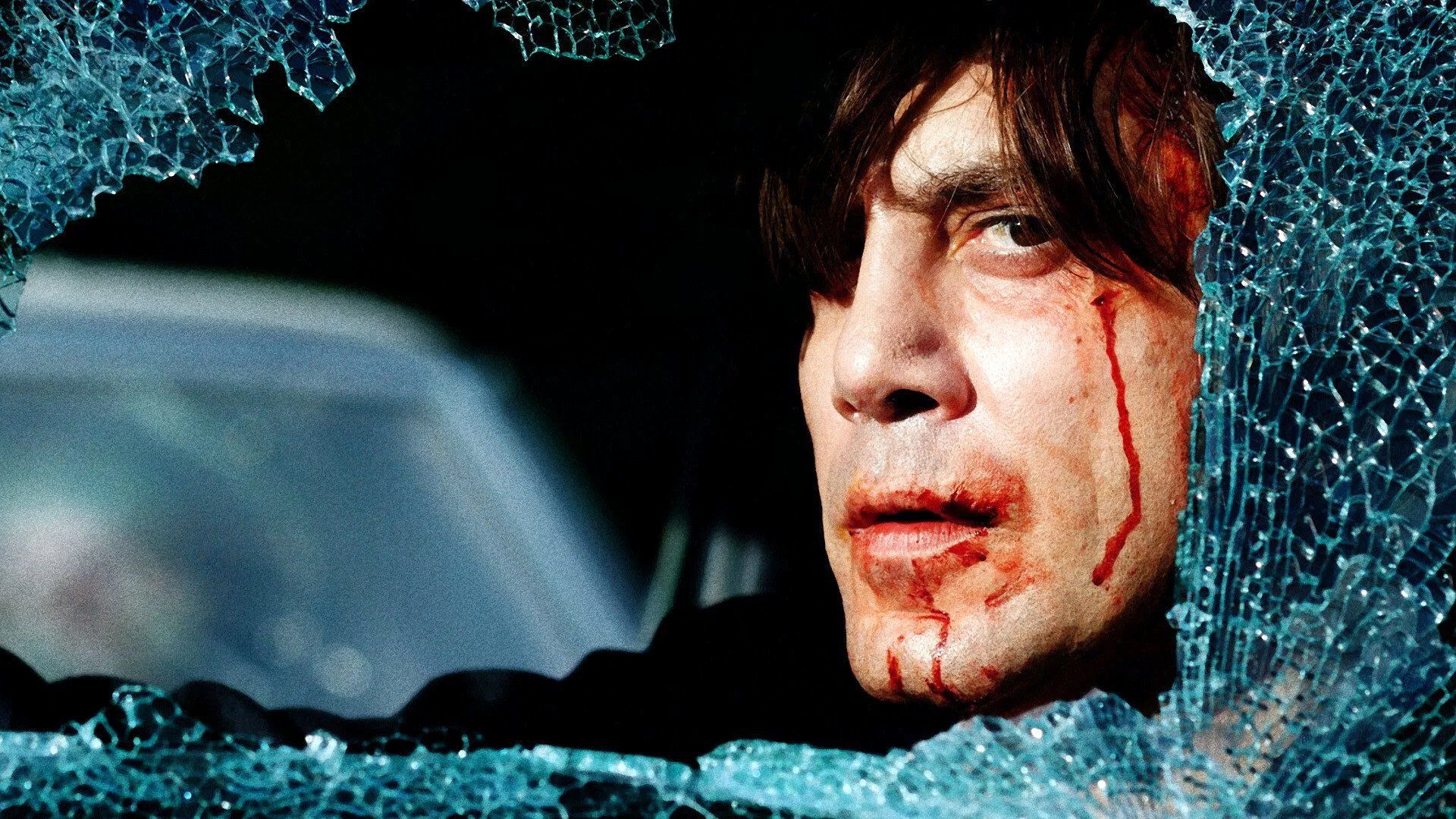
4. No Country For Old Men (2007)
The Coen brothers play a long game here. While Llewelyn Moss drives the initial momentum of the chase, the film eventually transcends the "cat-and-mouse" trope. The true heart of the story settles on Sheriff Ed Tom Bell, turning a thriller into a philosophical meditation on a changing, violent world.
3. The Godfather (1972)
It is perhaps the greatest misdirection in history. Marlon Brando’s Don Vito Corleone is the face of the franchise, but the film is actually the metamorphosis of Michael Corleone. Watching Al Pacino’s character evolve from an outsider to a cold-blooded patriarch is the true engine of this epic.
2. Alien (1979)
Ridley Scott’s sci-fi horror initially positions Captain Dallas as the traditional leader and protagonist. However, as the cosmic horror unfolds, the narrative weight shifts toward Ellen Ripley. Her transition from a procedural officer to a survivalist icon remains one of the most empowering character arcs in cinema.
1. Psycho (1960)
Alfred Hitchcock remains the undisputed king of the pivot. By investing heavily in Marion Crane’s dilemma, he ensured the audience was emotionally tethered to her. When she is killed in the film’s most famous shower scene, the movie doesn’t just change direction—it changes identity, shifting from a crime drama to a chilling psychological study of Norman Bates.






Leave a Comment