
<strong>Thescreescore – </strong>In the landscape of prestige television, the miniseries format serves as a double-edged sword. While it offers the rare luxury of a self-contained narrative—free from the looming shadow of potential cancellations or the need for forced expansions—it also demands a level of structural perfection that few creators can achieve. We saw this surgical precision in HBO’s Station Eleven, where the limited scope allowed for a flawless adaptation of Emily St. John Mandel’s prose. However, when a story refuses to sit still within a single genre, the challenge shifts from mere adaptation to a complex feat of cinematic alchemy.
Enter Lovecraft Country, an HBO standout that refuses to be pigeonholed. While many viewers might approach the series expecting a standard descent into cosmic dread, the show proves to be something far more ambitious and intellectually taxing. It is a work that breathes through its contradictions, seamlessly pivoting between the supernatural and the systemic.
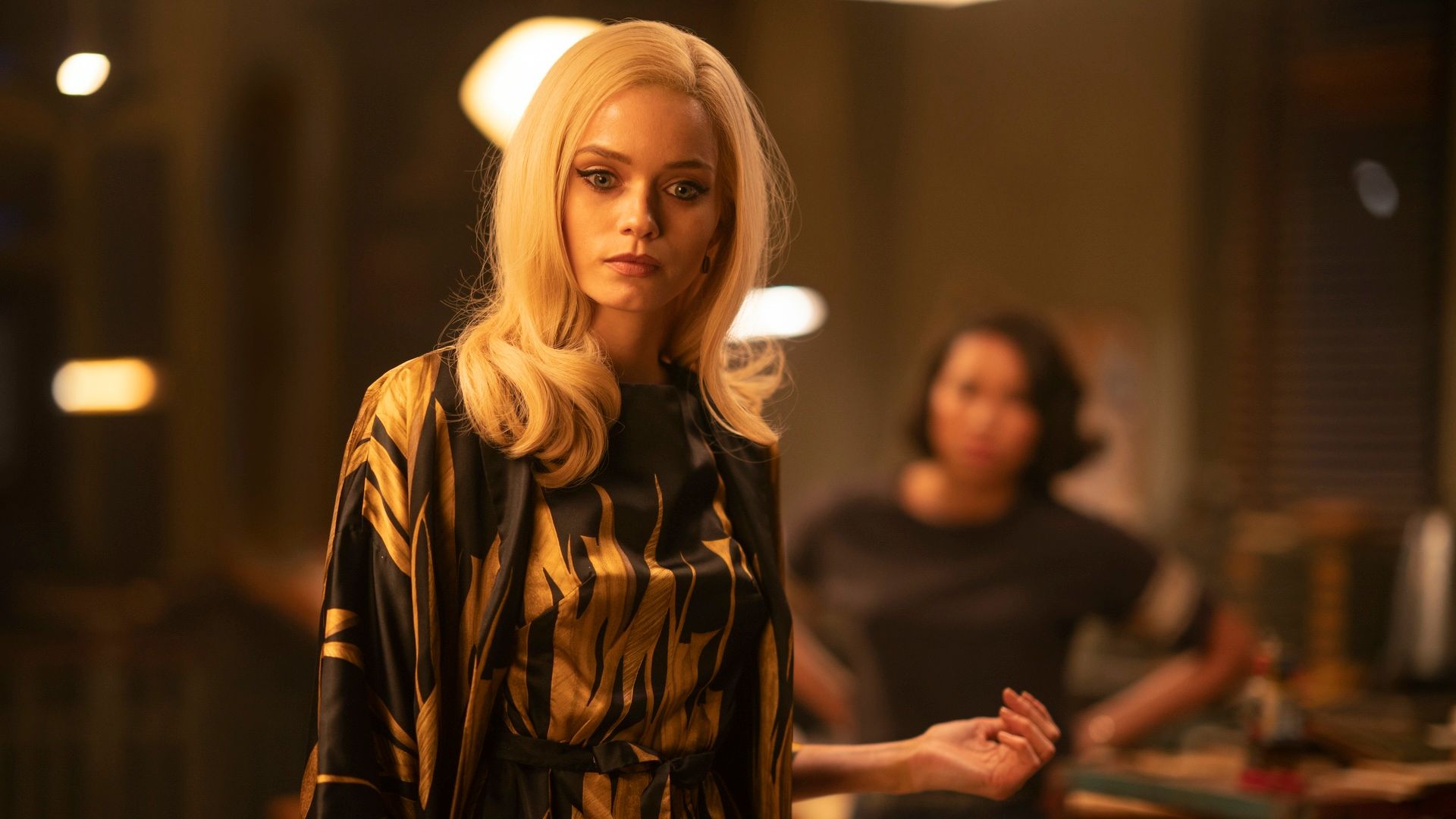
The narrative follows Tic Freeman (played with profound intensity by Jonathan Majors) as he navigates the treacherous landscape of the Jim Crow-era South in search of his father. Alongside Leti (Jurnee Smollett), Tic’s journey is not merely a battle against the eldritch, tentacled monstrosities inspired by H.P. Lovecraft’s mythos, but a desperate struggle against the very real, very human horrors of racial violence and segregation.

Related Post


What makes this series a masterclass in genre-bending is its refusal to settle. One moment, the audience is immersed in a gritty period drama or a poignant character study on grief; the next, they are thrust into a dark fantasy or a high-concept sci-fi odyssey. Unlike other horror offerings, such as Netflix’s Marianne, which stays closer to traditional tropes, Lovecraft Country utilizes its genre shifts to mirror the instability of its protagonists’ lives.
Perhaps most impressive is how the series handles its namesake. By reclaiming the terrifying imagery of a notoriously bigoted author, showrunner Misha Green performs a daring subversion. The series takes the "cosmic horror" of the unknown and recontextualizes it through the lens of the Black experience in America, turning a legacy of prejudice into a vehicle for profound social commentary. It is a high-wire act of storytelling that manages to be both a terrifying supernatural thriller and a vital piece of historical fiction, proving that the most frightening monsters are often the ones we create ourselves.






Leave a Comment