
<strong>Thescreescore – </strong> The X-Men franchise has always been a masterclass in high-stakes drama, but its latest chapter has left the comic book community divided, not by the quality of the storytelling, but by the integrity of its consequences. The conclusion of the massive X-Men x Fantastic Four crossover, DNX #5, promised a seismic shift in the mutant status quo. Instead, it has highlighted a growing, systemic issue within Marvel’s editorial philosophy: the death of narrative weight.
The climax of the event was nothing short of operatic. We witnessed a brutal confrontation between the stalwart leader Cyclops and a corrupted, villainous version of Beast—now known as The Chairman. In a moment that felt genuinely earned, Scott Summers seemingly sacrificed himself in a massive explosion to stop his former friend’s descent into mutant supremacy. For a moment, the readers felt the sting of a true era ending.
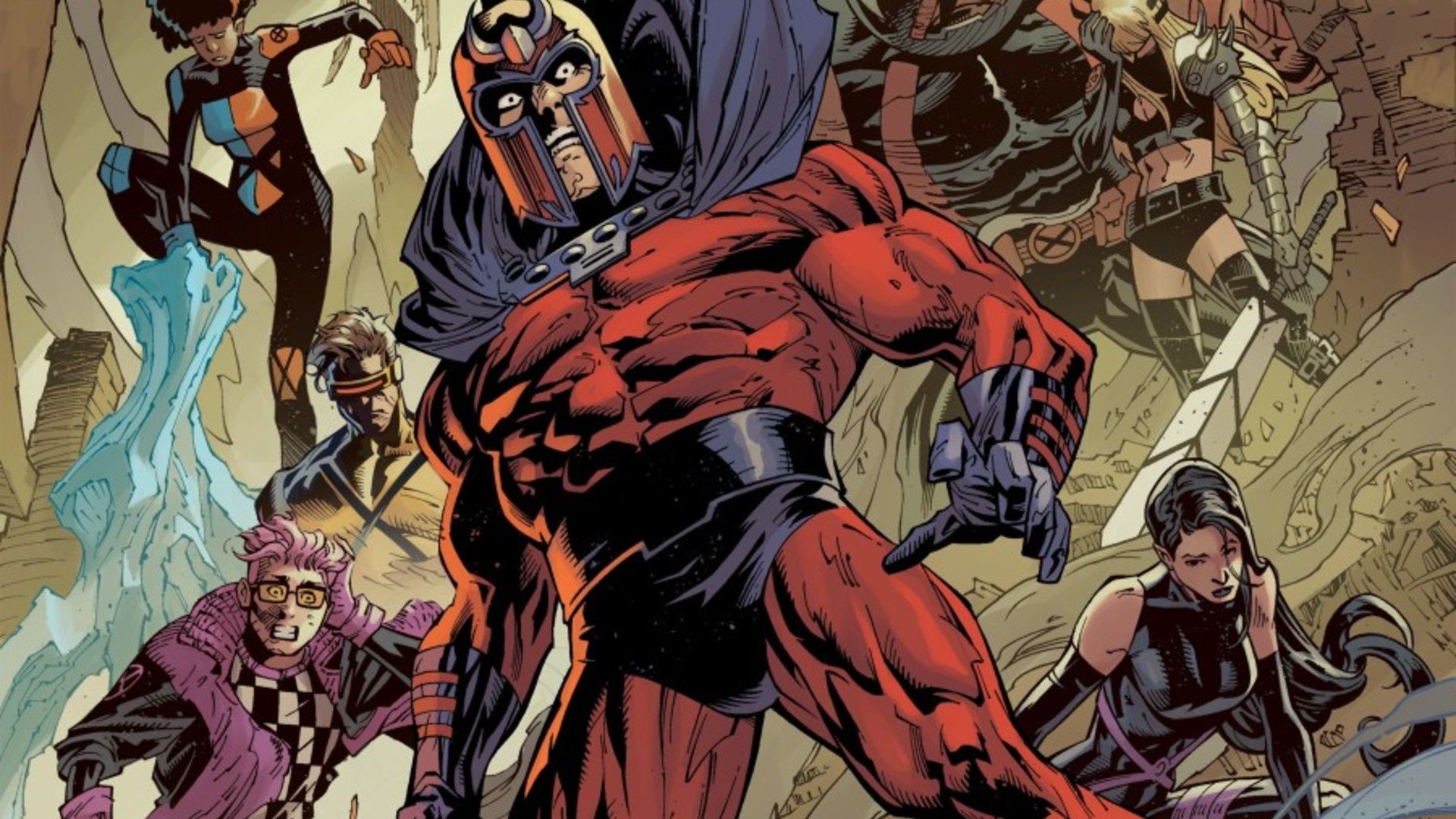
However, as any seasoned critic of the medium knows, the "shock factor" is a cheap currency if it isn’t backed by permanence. In a move that felt more like a frantic pivot than a calculated twist, an epilogue in DNX #5 revealed that both Cyclops and The Chairman are very much alive. The "death" was nothing more than a temporary inconvenience, a narrative sleight of hand designed to set up a "new season" rather than provide a meaningful conclusion.

Related Post


This isn’t just an isolated incident within the X-Office; it is part of a broader, frustrating trend observed across the Marvel landscape. From the fleeting demise of Ultimate Iron Man to the hollow promises of casualties in Avengers: Armageddon, Marvel seems to have abandoned the "dead is dead" era of the early 2000s in favor of a "death as a cliffhanger" model. While this keeps characters in the loop, it strips the storytelling of its teeth. When death becomes a revolving door that opens and closes within the span of a single issue, the emotional investment of the audience begins to erode.
The irony is that the conflict between Cyclops and The Chairman is actually one of the most compelling arcs the X-Men have seen in years. The storytelling is sharp, the stakes feel personal, and the character development is rich. Yet, by refusing to let the characters face actual, lasting consequences, Marvel risks turning its epic sagas into mere episodic teases.
As we head into 2027, the X-Men franchise faces a critical test. It must prove that it can balance the need for long-term continuity with the necessity of genuine, irreversible drama. Until then, every "death" in a Marvel comic feels less like a tragedy and more like a marketing gimmick. For more deep dives into the industry, keep following thescreescore.com.






Leave a Comment