
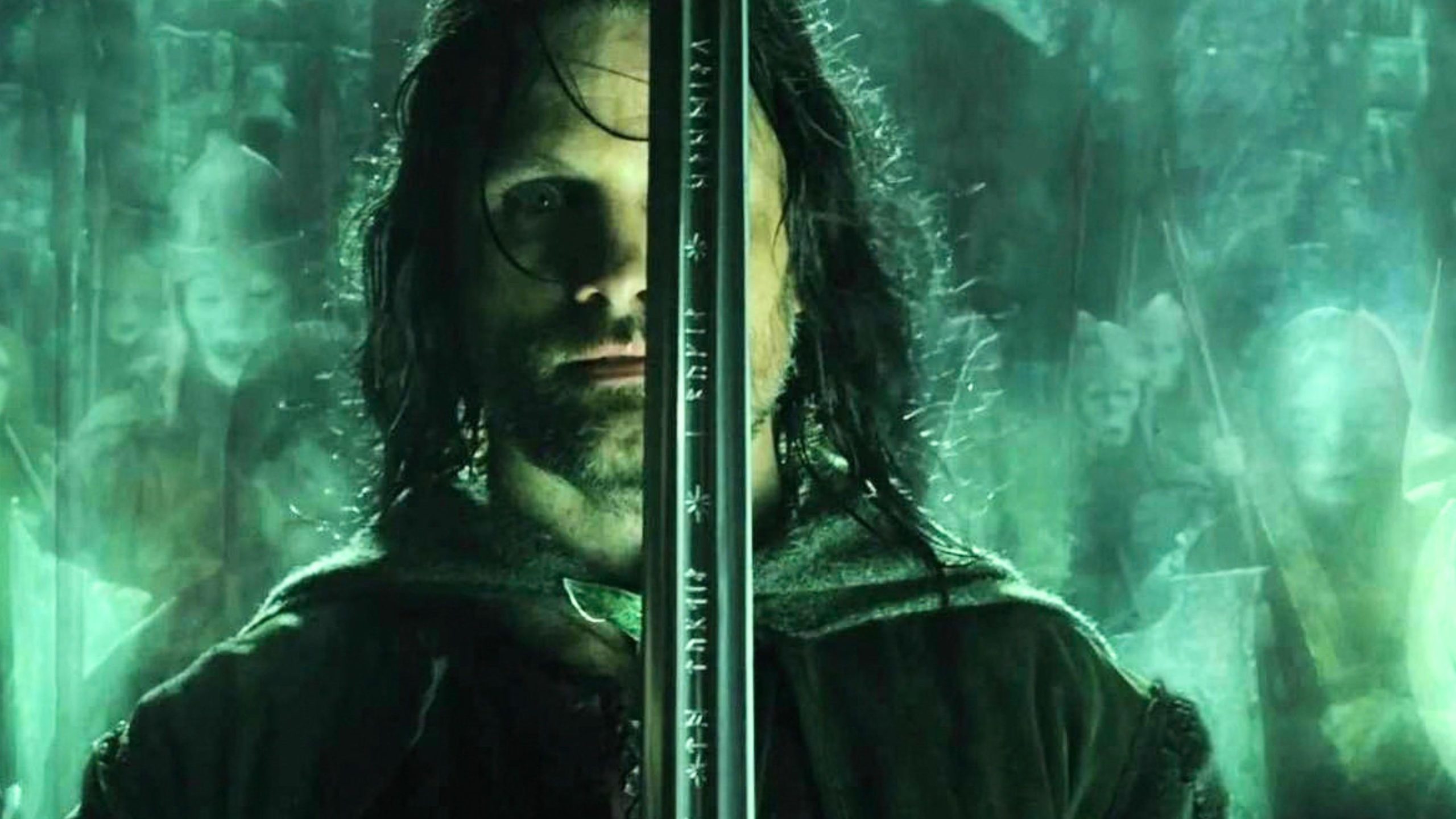
<strong>Thescreescore – While J.R.R. Tolkien’s The Lord of the Rings remains the undisputed blueprint for modern high fantasy, its influence is often treated as the ceiling of the genre. However, for the seasoned reader or the cinematic enthusiast seeking something even more expansive, the horizon of epic storytelling stretches far beyond the borders of Middle-earth. While Tolkien gave us a masterclass in myth-making, several subsequent authors have taken that foundation and built sprawling, multi-generational universes that dwarf the scale of a single fellowship’s journey.
From the geopolitical maneuvering of warring empires to the cosmic cycles of time itself, these five literary titans prove that "epic" is a scale that can always be pushed further.
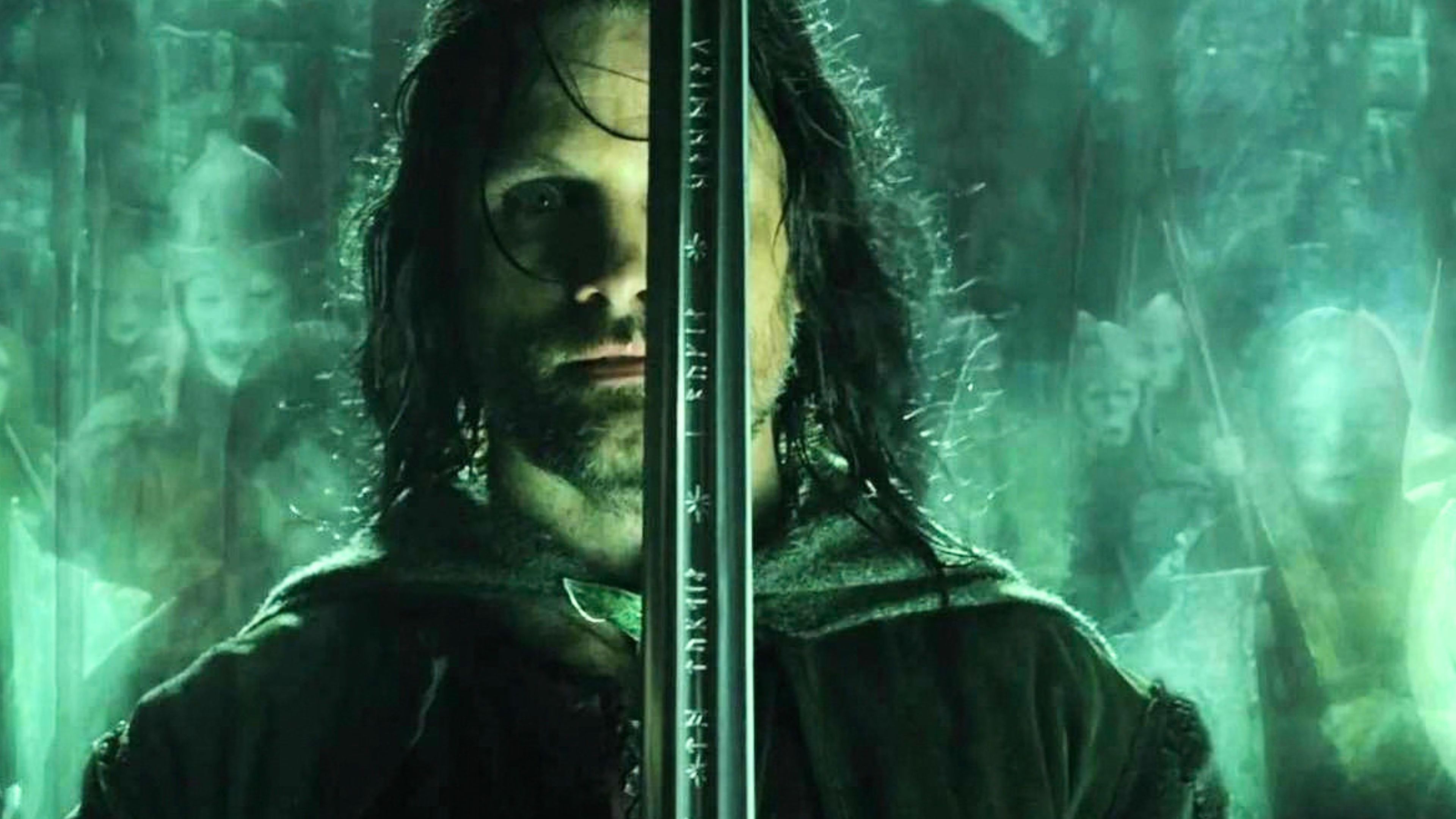
1. Malazan Book of the Fallen by Steven Erikson
If you measure greatness by sheer, overwhelming density, Steven Erikson’s Malazan series is the heavyweight champion. Spanning ten massive novels, this sequence is less a story and more a historical excavation. Erikson, drawing on his background in anthropology, eschews the traditional "hero’s journey" in favor of a panoramic view of a world teeming with gods, mages, and ancient, crumbling civilizations. Instead of following one small group, the narrative leaps across continents and through brutal military campaigns, making the reader feel the weight of an entire empire’s rise and fall.

Related Post


2. The Wheel of Time by Robert Jordan
Robert Jordan took the concept of a fantasy world and turned it into a cyclical, cosmic machine. The Wheel of Time expands the struggle between shadow and light into a fourteen-volume saga that explores how history, myth, and legend are inextricably linked. Through the lens of the Aes Sedai and the complex politics of various nations, Jordan demonstrates that a true epic isn’t just about a single battle, but about the social, religious, and political upheaval that ripples across an entire world as the "Age" turns.
3. The Stormlight Archive by Brandon Sanderson
Brandon Sanderson has mastered the art of "world-building as architecture." In The Stormlight Archive, the scale is literally written into the environment. Set on the storm-battered world of Roshar, the setting dictates everything from the biology of the flora to the social structures of its people. Sanderson’s approach is modular and grand; he uses massive, high-stakes conflicts to drive character evolution, ensuring that as the magic systems and political coalitions expand, the emotional stakes grow even larger.
4. Wars of Light and Shadow by Janny Wurts
For those who prefer their epics with a heavy dose of psychological and philosophical complexity, Janny Wurts’ eleven-volume masterpiece is unparalleled. Wars of Light and Shadow moves away from the "good vs. evil" trope to explore how conviction and perspective can warp reality. By following the fractured relationship of two half-brothers across generations, Wurts examines how personal vendettas can transform into the foundational myths of entire nations, offering a depth of immersion that feels truly monumental.
5. The Realm of the Elderlings by Robin Hobb
While other series focus on the macro-scale of armies and gods, Robin Hobb achieves epic status through the staggering depth of her character legacies. Spanning sixteen novels, The Realm of the Elderlings is a masterwork of interconnectedness. Hobb tracks the lives of families and communities across decades, showing how the intimate decisions of an assassin or a merchant can eventually reshape the destiny of a kingdom. It is an epic of the human heart, proving that a story can feel massive not just through its geography, but through the enduring weight of its history.





Leave a Comment