
<strong>Thescreescore – </strong>While scholars and historians have spent decades dissecting the philosophical depth of Charles M. Schulz’s Peanuts, there is a specific, lightning-strike moment when the strip transitioned from a standard gag cartoon into a cultural masterpiece. It wasn’t a grand plot twist or a dramatic shift in art style, but rather a singular, quiet evolution of a character who would eventually eclipse his creator’s human cast: Snoopy.
For much of its early run, the Peanuts gang remained frozen in a state of perpetual childhood. However, their psychological complexity grew at an exponential rate. No character underwent this metamorphosis more drastically than the black-and-white beagle. Originally introduced as a mere canine companion to Charlie Brown, Snoopy would eventually evolve into a multi-dimensional icon capable of complex internal monologues, vivid fantasies of being a WWI Flying Ace, and profound emotional shifts.
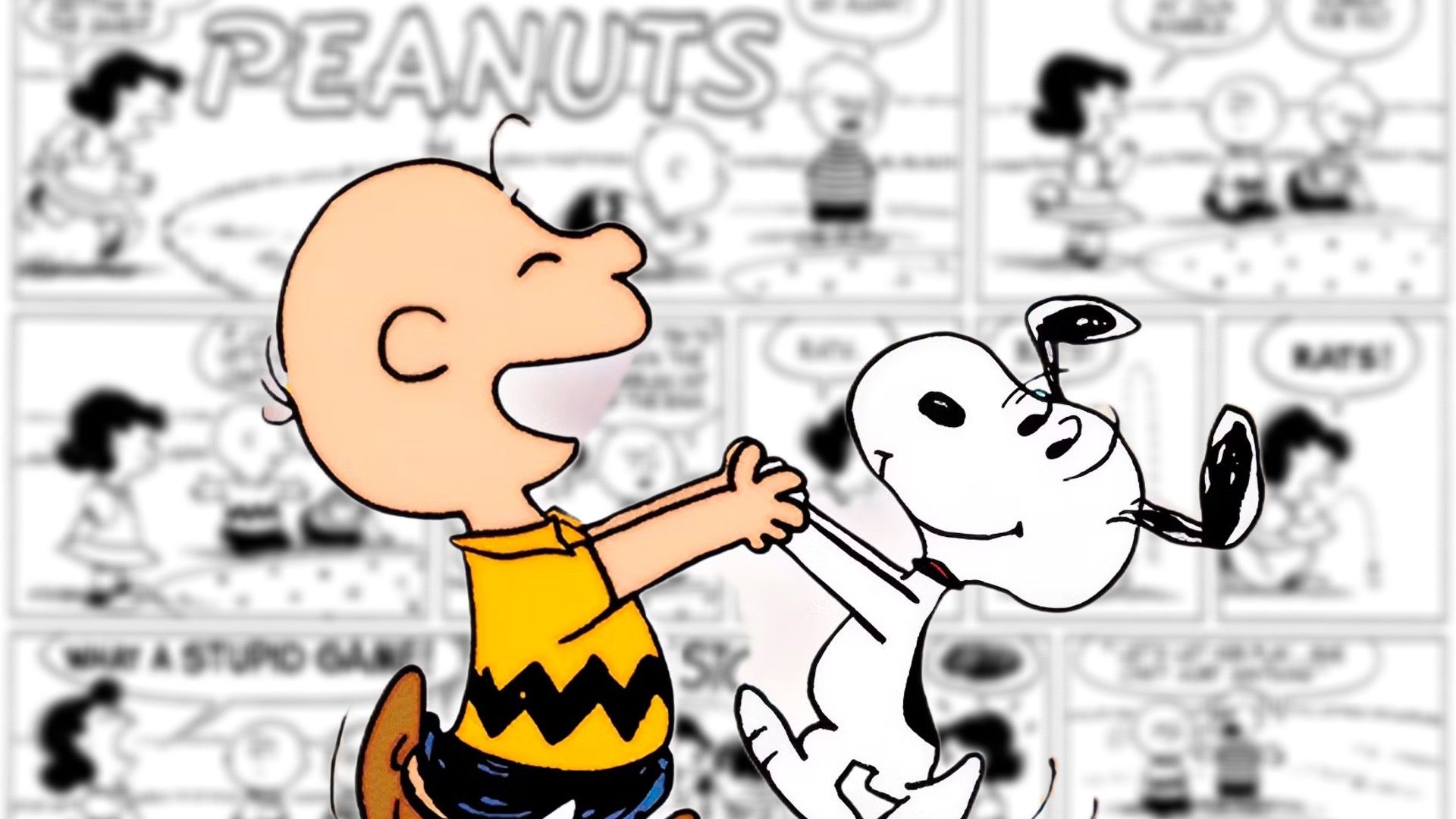
The catalyst for this transformation occurred in May 1952. At the time, Peanuts was a growing but relatively modest strip, struggling to expand its syndication footprint. While 1952 saw the introduction of legendary characters like Lucy and Linus, the true turning point arrived on Tuesday, May 27.

Related Post


In this specific strip, the audience was granted a rare and revolutionary gift: access to Snoopy’s inner life. The comic featured a simple, almost trivial interaction where Charlie Brown playfully tugged on Snoopy’s ear, making a childish joke about the weather. The punchline, however, didn’t come from the dialogue, but from Snoopy’s reaction. Through a squiggly thought bubble—a stylistic choice that distinguished his mind from the human characters—Snoopy expressed his indignation, thinking, "Why do I have to suffer such indignities?"
This moment was a masterstroke of character writing. By giving Snoopy an internal voice, Schulz moved the character beyond the realm of a simple pet and into the territory of a sentient, emotional being. It allowed for a level of depth that was unheard of in comic strips of that era. Snoopy was no longer just a dog reacting to a boy; he was an individual with a temper, a sense of dignity, and a rich, private world.
As reported by thescreescore.com, this decision to humanize the beagle was the "missing ingredient" that propelled Peanuts from a steady performer to a global phenomenon. It provided the foundation for the character’s later eccentricities—like his famous dance or his complex social life—and ensured that the strip would possess the psychological resonance required to endure for decades. In the history of American pop culture, few single panels have carried as much weight in defining the legacy of a masterpiece.







Leave a Comment