
Thescreescore – While the 1990s are often remembered as a golden era of cinematic innovation and cultural shifts, not every masterpiece has stood the test of time. For many film enthusiasts, revisiting certain decade-defining hits can feel less like a nostalgic trip and more like a social minefield. From outdated technological spectacles to deeply problematic character dynamics, several beloved classics have aged in ways that make modern viewing a genuine challenge.
As societal standards evolve, the lens through which we view past storytelling becomes increasingly critical. What was once considered edgy or even progressive can now appear regressive or outright offensive. Here is a look at the films that once dominated the box office but now struggle to maintain their luster.
The Problematic Comedy Era
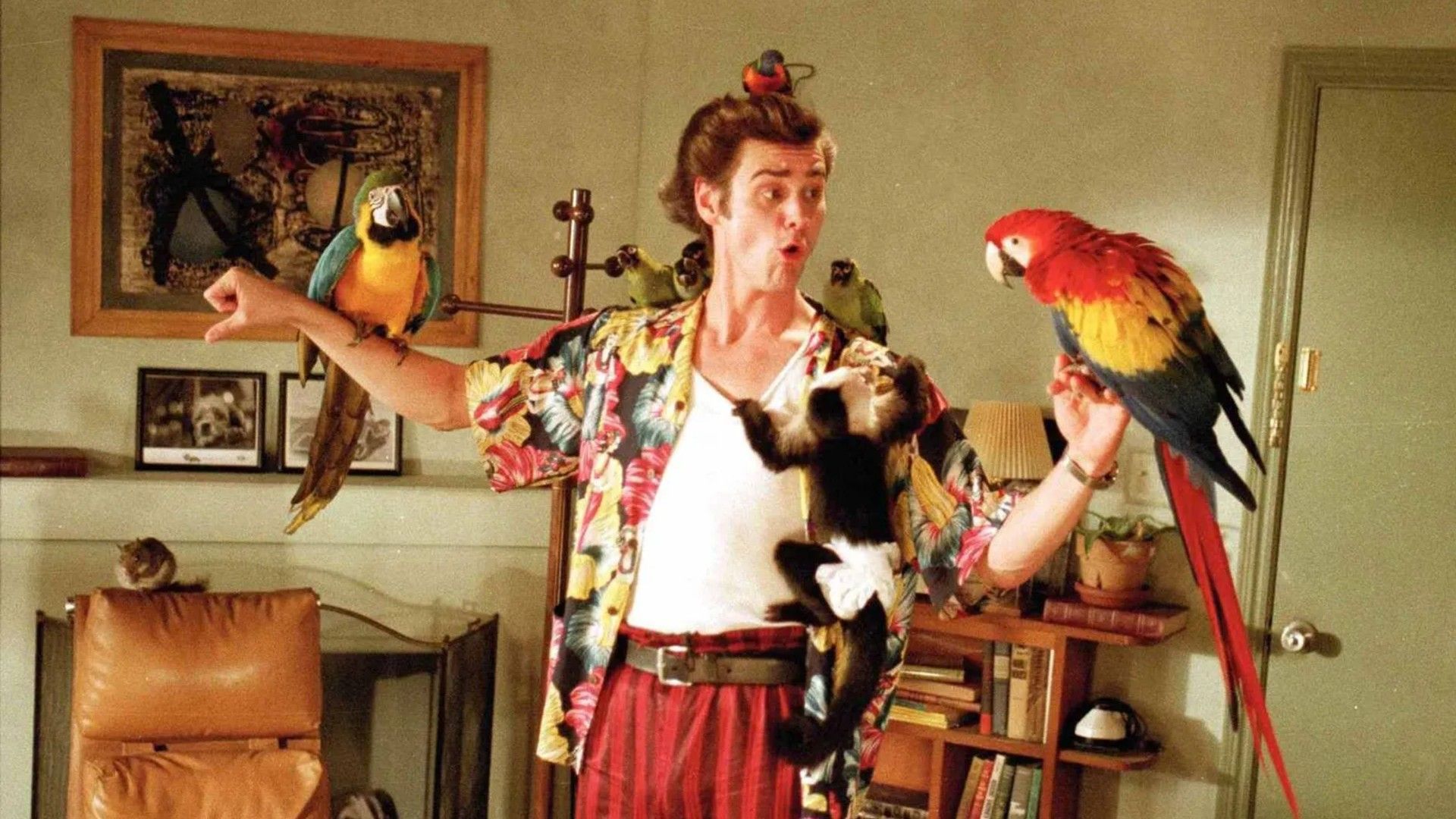
Even the funniest hits of the decade have faced scrutiny. Ace Ventura: Pet Detective (1994), while a vehicle for Jim Carrey’s undeniable comedic genius, contains a plot twist regarding a transgender character that feels jarringly insensitive by today’s standards. The film treats a sensitive identity as a punchline, a choice that has only become more uncomfortable as cultural awareness has grown.

Related Post


Similarly, the teen phenomenon American Pie (1999) has seen its "humor" sour. While it captured the awkwardness of adolescence, the subplot involving the character Nadia—where a private moment is broadcast to an entire school—is less a "prank" and more a depiction of harassment that the film fails to properly condemn.
Shifting Perspectives on Romance and Power
Some films fall victim to outdated social dynamics. Pretty Woman, the film that catapulted Julia Roberts to superstardom, is a prime example. While framed as a modern Cinderella tale, the massive power imbalance between a wealthy businessman and a sex worker can feel more controlling and objectifying than romantic to a contemporary audience.
This discomfort extends to Never Been Kissed (1999). Despite Drew Barrymore’s charm, the central romance between a woman undercover as a teenager and her teacher creates a predatory dynamic that is difficult to stomach, regardless of the character’s actual age. Even the Oscar-winning American Beauty (1999) struggles with this; Lester Burnham’s fixation on his teenage daughter’s friend remains a deeply unsettling element that overshadows much of the film’s artistic merit.
Outdated Tropes and Visuals
Technology and genre-bending films also face the "aging" curse. The cyberpunk vision of Johnny Mnemonic (1995) feels laughably small today; Keanu Reeves’ character handles data volumes that modern smartphones would find trivial. Meanwhile, the visual effects in The Lawnmower Man (1992), once ambitious, now appear clunky and confusing, turning what was meant to be sci-fi horror into unintentional camp.
The Complexity of Hindsight
Whether it is the uncomfortable gender dynamics in Blank Check, the regressive masculinity in Analyze This, or the narrow perspective of Chasing Amy, these films serve as a fascinating case study in how culture moves forward. While these movies still possess technical merits or strong performances, they remind us that cinema is a living medium—one that is constantly being re-evaluated by the very society it seeks to reflect.







Leave a Comment