
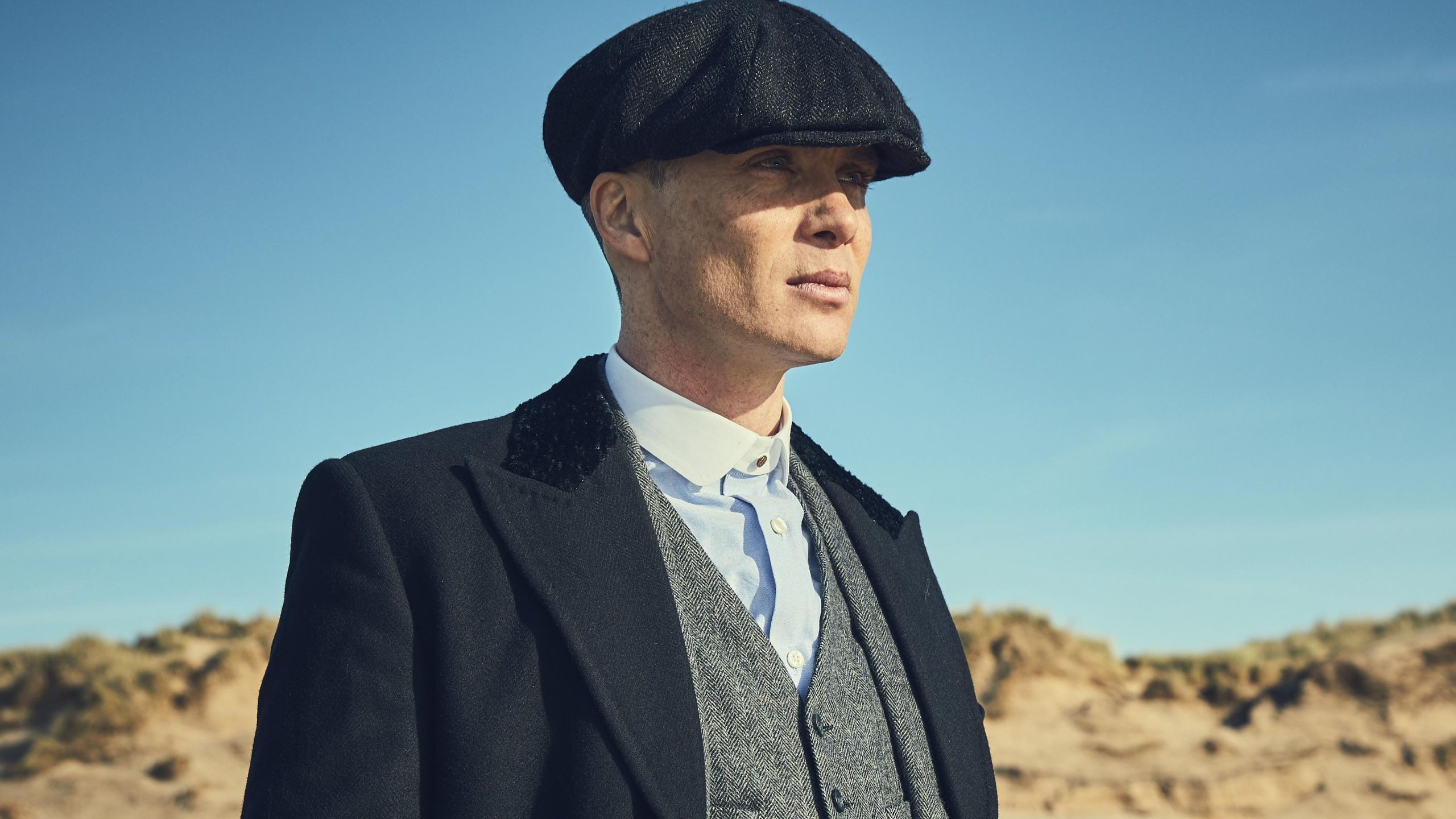
<strong>Thescreescore – </strong>While the world was busy mesmerized by Cillian Murphy’s transformative turn as the stoic Tommy Shelby, a much grittier, more visceral blueprint for the modern gangster epic was already being laid in Ireland. Long before Peaky Blinders became a global phenomenon, Barry Keoghan—now a household name following his Oscar-nominated success—was honing his craft in a brutal, uncompromising crime saga that many critics argue paved the way for the Birmingham gangland craze.
The series in question, Love/Hate, aired on RTE between 2010 and 2014, offering a stark, contemporary look at the Dublin criminal underworld. Unlike the stylized, romanticized aesthetic of Steven Knight’s period drama, Love/Hate opted for a bleak, grounded realism that stripped away the glamour of organized crime to reveal the psychological wreckage left in its wake. It wasn’t just a show about crime; it was a character study of a decaying social fabric.
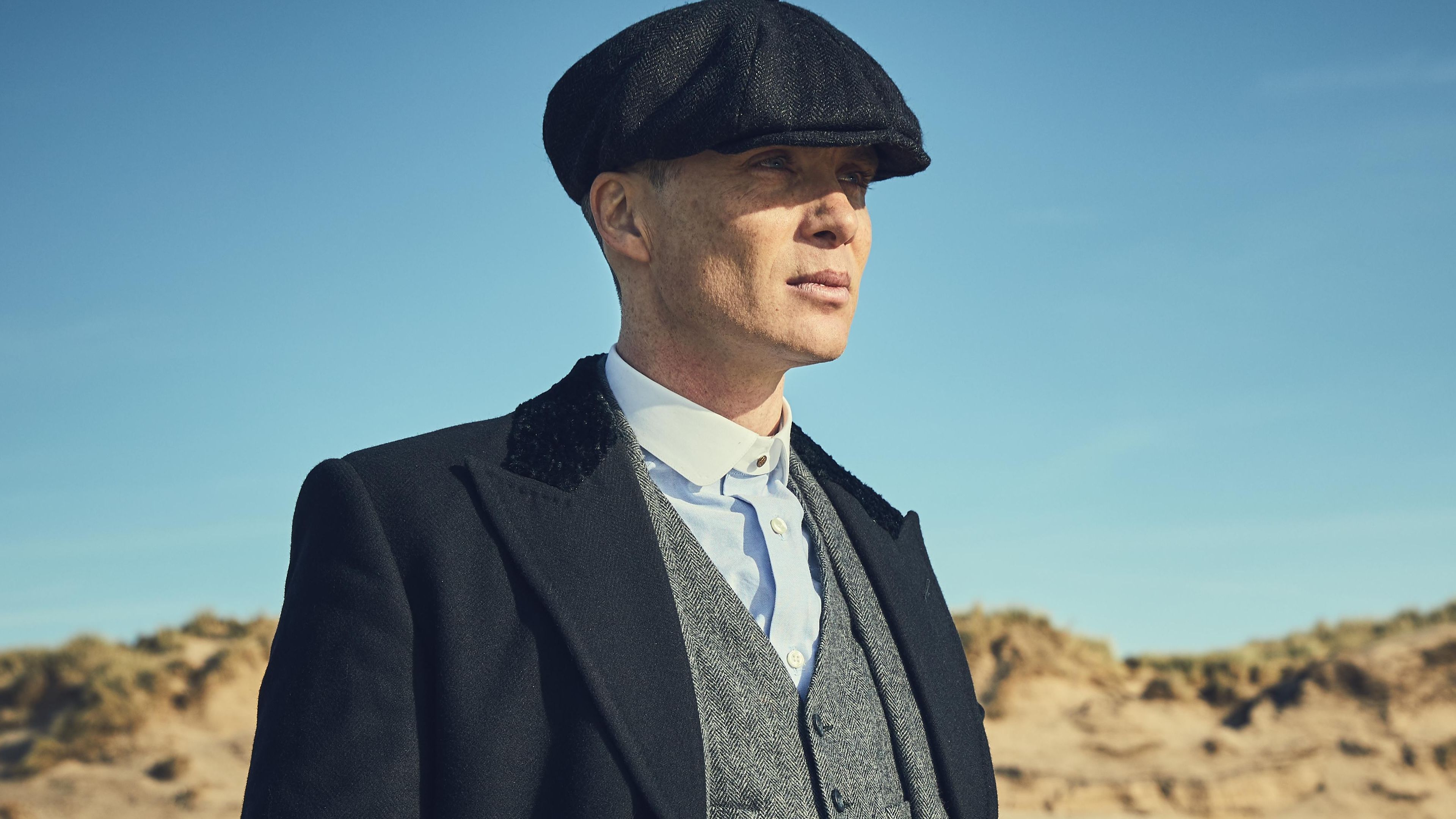
The connective tissue between these two titans of the genre is more than just coincidental. The influence of Love/Hate on the DNA of Peaky Blinders is evident through shared creative talent. Director David Caffrey and cinematographer Cathal Watters both migrated from the Dublin streets to the production of Peaky Blinders, bringing a specific visual language of tension and grit with them. Even the casting reflects a shared lineage; Aiden Gillen, who anchored Love/Hate as the formidable John Boy, later brought his menacing presence to the Netflix hit as the lethal Aberama Gold.

Related Post


For Barry Keoghan, Love/Hate served as a vital proving ground. His portrayal of the callous, small-time criminal Wayne in the fourth season showcased the raw, unsettling intensity that has since become his cinematic trademark. It is a fascinating lineage to trace: from the unpolished, high-stakes streets of Dublin to the polished, cinematic violence of the Shelby family.
While Peaky Blinders may have captured the zeitgeist with its sweeping score and sharp tailoring, Love/Hate remains the essential, often overlooked foundation. It proved that audiences were hungry for complex, morally bankrupt antiheroes, setting the stage for the era of the prestige crime drama that continues to dominate our screens today. For those looking to understand the roots of modern gangland storytelling, looking past the flat caps of Birmingham and toward the shadows of Dublin is a necessary journey.






Leave a Comment