
<strong>Thescreescore – </strong>Reaching a 300-episode milestone is a feat reserved for the elite tier of television programming, a testament to longevity and fan loyalty. For Chicago Fire, the landmark episode was designed to be a poignant celebration of the series’ history, specifically focusing on the emotional departure of an original pillar, Joe Cruz (Joe Minoso). While the episode succeeded in providing a soulful farewell to Cruz—offering glimpses of his personal growth and a touching tribute to the late Otis—it simultaneously stumbled by omitting the one person whose presence would have anchored the entire narrative: Chief Wallace Boden.
The absence of Eamonn Walker’s iconic character felt less like a creative choice and more like a missed opportunity to solidify the show’s emotional foundation. Boden has long served as the moral compass and the steady heartbeat of Firehouse 51. From the pilot episode, he has been the stabilizing force during moments of tragedy, acting as both a commanding officer and a surrogate father to the crew. In an episode centered on the destabilization of the house due to Cruz’s exit, the lack of Boden’s wisdom left a palpable void.
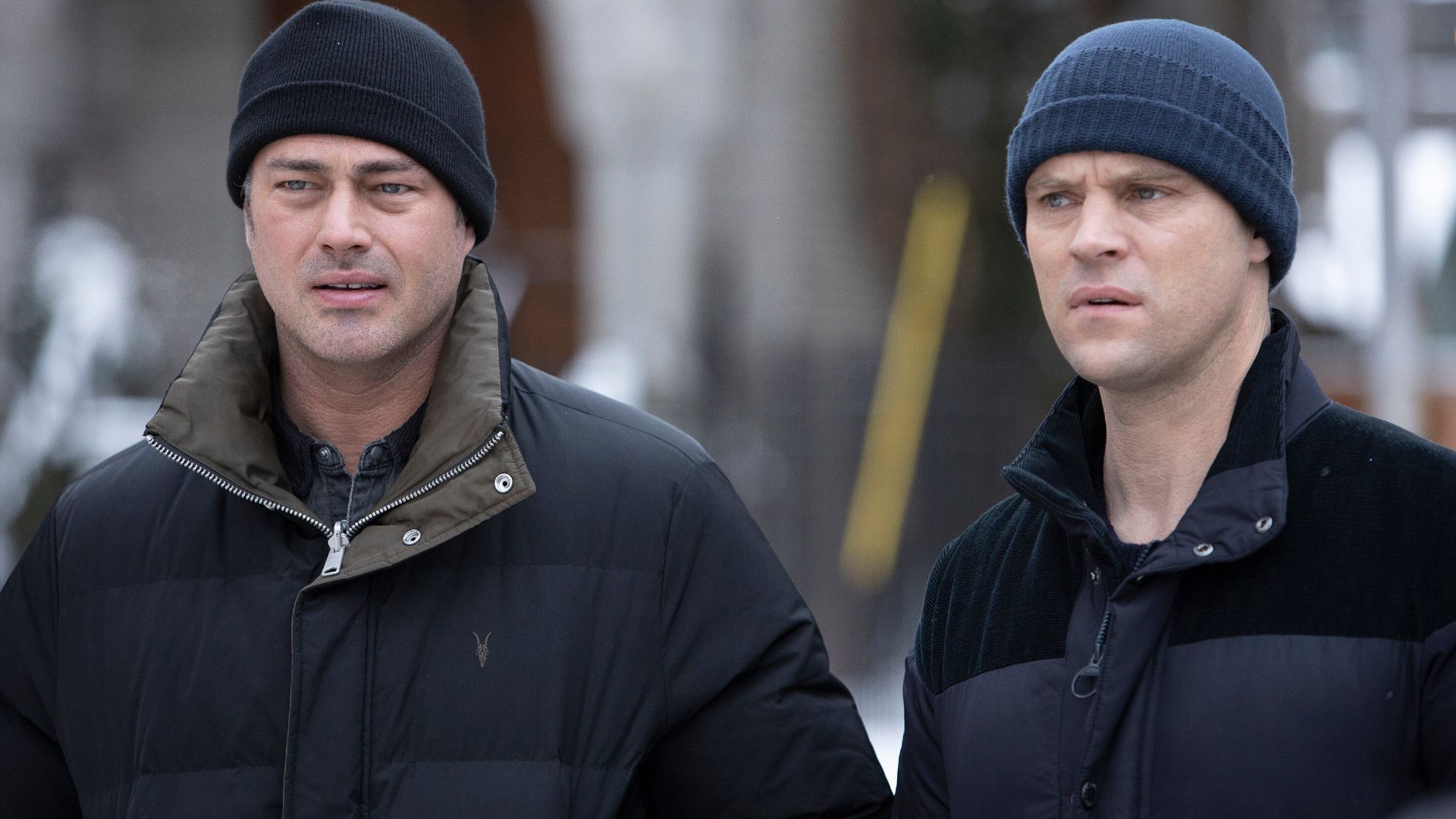
The narrative tension surrounding Severide (Taylor Kinney) was particularly acute. As Severide navigates the grueling transition from Squad 3 Lieutenant to the Captaincy of Firehouse 51, he is visibly drowning under the weight of administrative burdens and a role he never truly sought. The departure of Cruz has left Severide adrift, struggling to balance his loyalty to his "fire family" with the personal needs of his colleagues. A brief appearance by Boden could have provided the mentorship Severide desperately needs, offering a bridge between the old guard and the new leadership.

Related Post


Furthermore, the episode lacked a crucial sounding board for Cruz. As he makes the difficult decision to prioritize his family over the firehouse, a conversation with his long-time mentor, Boden, would have added a layer of profound closure. Boden, having transitioned into the role of Deputy Fire Commissioner to protect the integrity of the CFD, understands the delicate balance between duty and domestic life better than anyone.
While we recognize that Eamonn Walker’s departure from a series regular role was a personal choice intended to allow him to step back, the logistical hurdles of his schedule do not excuse the missed dramatic potential. For a milestone as significant as the 300th episode, the creative team had every reason to pull the lever on a guest appearance. By failing to bring back the man who shaped the very identity of Firehouse 51, Chicago Fire missed a chance to turn a bittersweet farewell into a truly legendary television moment.





Leave a Comment