
<strong>Thescreescore – </strong>In the cinematic landscape, there is a recurring tragedy: a brilliant literary vision is butchered by a Hollywood adaptation. While science fiction offers limitless possibilities, its futuristic complexities often prove too taxing for the silver screen, leading to translations that miss the soul of the source material. From misplaced action beats to tonal disasters, many iconic novels have been unfairly tarnished by their film counterparts. As we see with recent underwhelming attempts like Taika Waititi’s Klara and the Sun, a cinematic flop can often obscure a literary gem.
Before you dismiss a story based on a trailer, consider these essential sci-fi reads that deserve a second chance—on the page.
The Time Machine by H.G. Wells
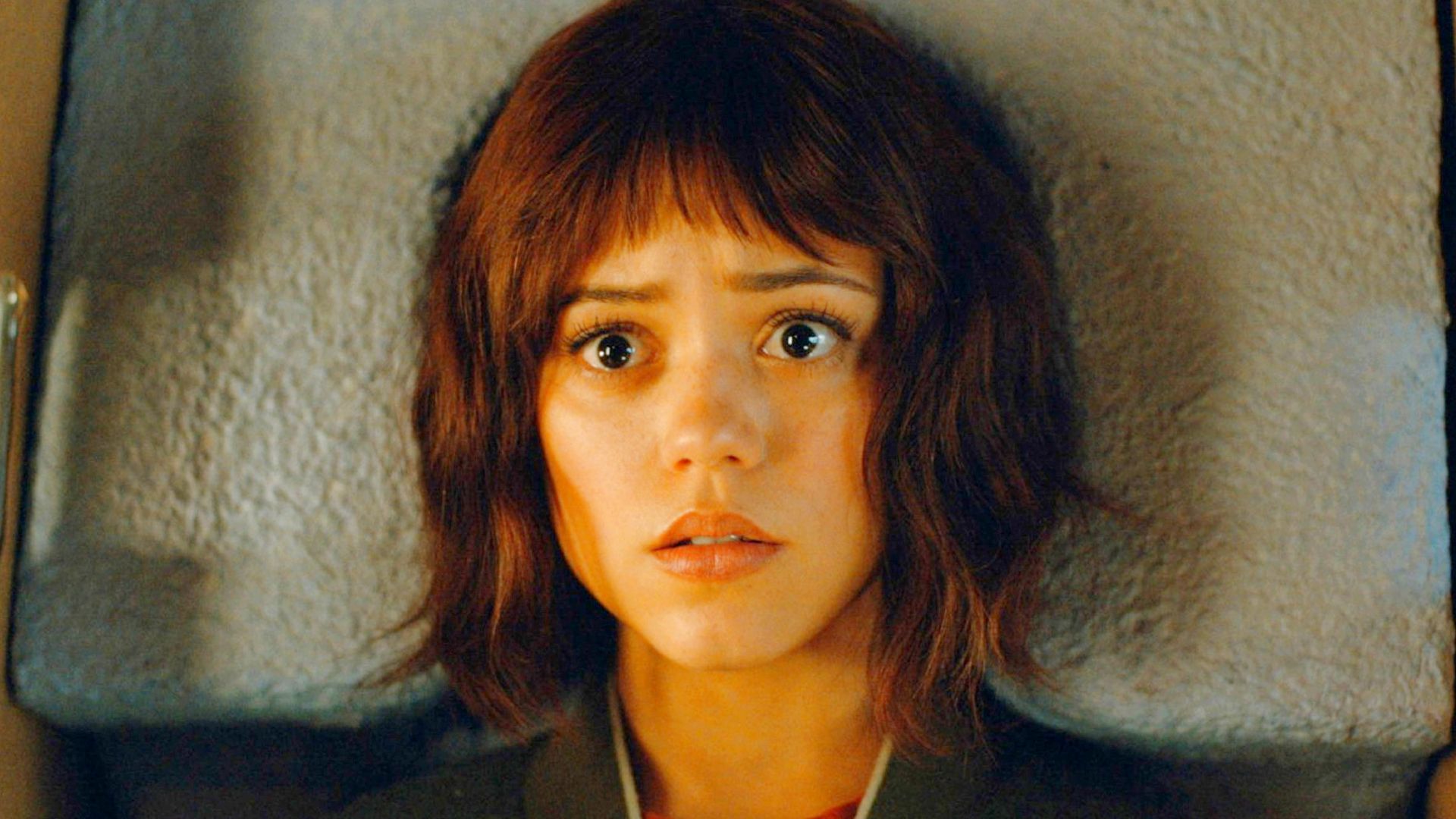
H.G. Wells is a titan of the genre, yet his legacy has been plagued by lackluster adaptations. The 2002 film version, for instance, abandons the novella’s essence in favor of a generic action-thriller vibe. However, the original text remains a foundational pillar of time-travel fiction, offering profound social commentary in a concise, impactful package.

Related Post
The War of the Worlds by H.G. Wells
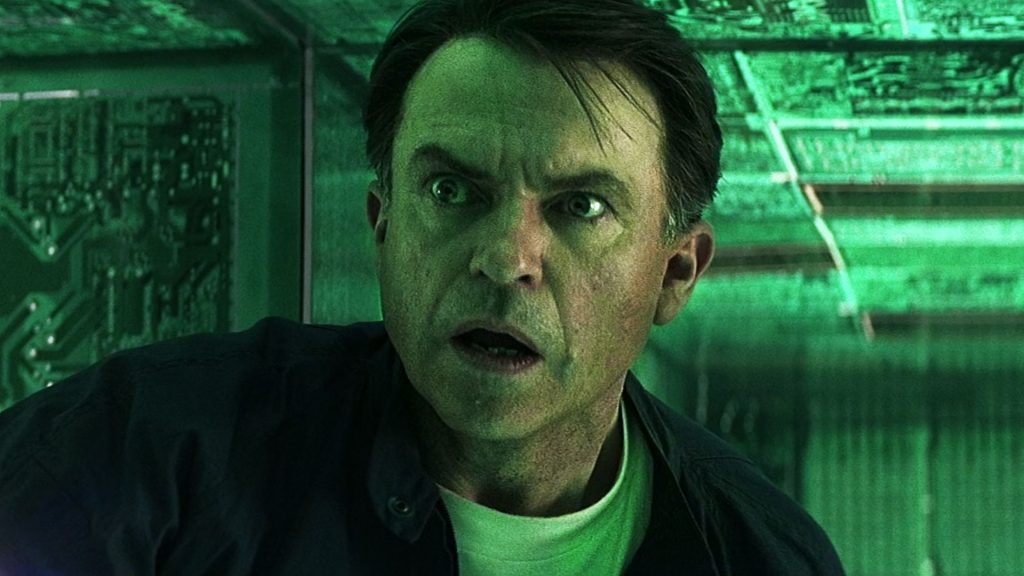
Whether it is the action-heavy 2005 Tom Cruise vehicle or the critically panned 2025 "screenlife" version, the cinematic journey of this alien invasion has been rocky. Yet, the book remains an unparalleled masterpiece of suspense, introducing concepts of extraterrestrial threats that still define the genre today.
A Wrinkle in Time by Madeleine L’Engle
Disney’s 2018 attempt was a visual spectacle that lacked a heartbeat, trading character depth for flashy CGI. In contrast, L’Engle’s classic offers a beautifully flawed protagonist and a complex tapestry of fantasy and science that remains a staple of young adult literature.
Dune by Frank Herbert
While Denis Villeneuve has finally given us the epic treatment this saga deserves, the 1984 adaptation was a notorious misfire. Thankfully, Herbert’s intricate world-building and subversion of the "chosen one" trope have survived the cinematic struggle, remaining as relevant as ever.
The Dark Tower by Stephen King
The mistake here wasn’t the story, but the scope. Attempting to condense King’s massive seven-book epic into a 95-minute film was a recipe for disaster. The books, however, offer a genre-bending odyssey of horror and high fantasy that is well worth the investment.
Ender’s Game by Orson Scott Card
The film adaptation suffered from the classic "compression trap," stripping away the vital ethical dilemmas and psychological depth of the protagonist. The novel, however, is a masterclass in pacing and moral complexity.
The Giver by Lois Lowry
Often a staple of school reading lists, this dystopian classic was somewhat diminished by a 2014 film that leaned too heavily into cheap action. The book remains a poignant exploration of identity and human emotion.
Mortal Engines by Philip Reeve
Despite a massive budget, the 2018 film failed to make its "moving cities" concept feel grounded or emotionally resonant. Reeve’s steampunk world is far more immersive on the page, offering a sophisticated YA narrative.
World War Z by Max Brooks
While the 2013 film was a commercial success, it alienated fans by pivoting from a geopolitical thriller to a standard zombie action movie. The book’s unique "oral history" format provides a brilliant commentary on societal collapse that film simply couldn’t capture.
Klara and the Sun by Kazuo Ishiguro
The recent 2026 adaptation starring Jenna Ortega may have stumbled by leaning into comedic quirkiness, but that should not deter readers. Ishiguro’s prose provides a philosophical depth and a hauntingly beautiful perspective on artificial intelligence that no amount of CGI can replicate.
For more deep dives into the intersection of literature and film, keep following thescreescore.com.






Leave a Comment