
<strong>Thescreescore – </strong>In the rapidly evolving landscape of prestige animation, few names carry as much weight as Attack on Titan and the Avatar franchise. While one redefined the gritty potential of anime for a global mainstream audience, the other crafted a timeless mythos that has captivated viewers for decades. Now, Paramount+ is attempting to bridge these two titans of storytelling with its ambitious new fantasy epic, Avatar: Seven Havens.
As a sequel to The Legend of Korra, Seven Havens departs from the familiar warmth of its predecessors, venturing into a high-stakes "mystery box" narrative that feels strikingly reminiscent of Hajime Isayama’s masterpiece. The series introduces us to Pavi and Nisha, dual Avatars residing in Ellora—one of several "havens" shielded by massive walls. Beyond these fortifications lies a treacherous, untamed wildland, the result of a cataclysmic event that occurred two centuries prior.
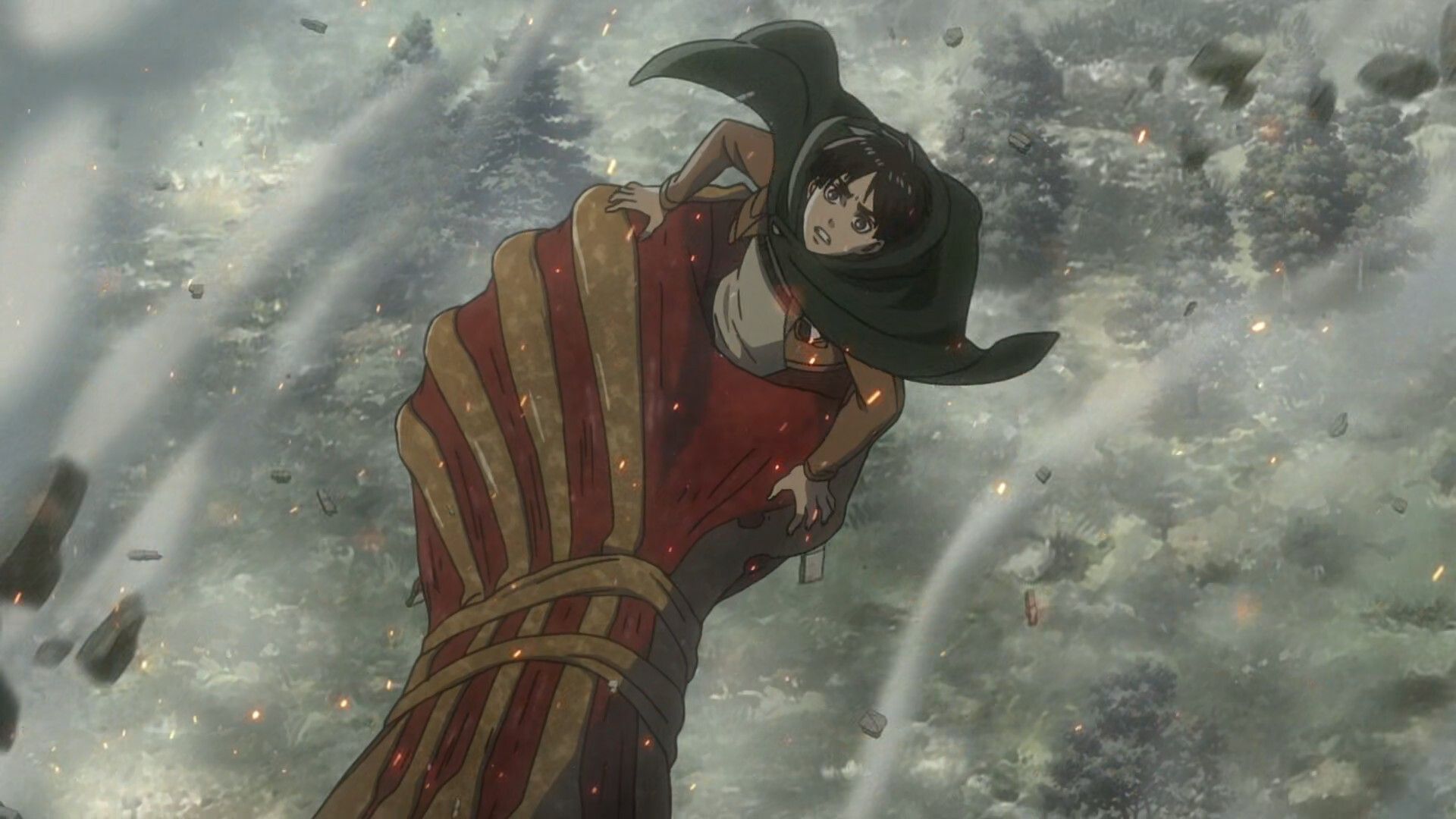
The parallels to Attack on Titan are impossible to ignore. Both narratives utilize the "walled city" trope to create a sense of claustrophobic tension, pitting humanity against the unknown terrors lurking just outside their gates. More importantly, both stories are driven by a central, existential question: What happened to the world? While Attack on Titan used its mystery to unravel the dark lineage of the Titans, Seven Havens points its finger toward the past, specifically investigating the legacy of Avatar Korra, who is whispered to be the architect of the world’s destruction.

Related Post


From a cinematic perspective, Seven Havens is proving to be a masterclass in world-building. The introduction of the "Bending Brigade," the political friction between the Seven Havens, and the looming threat of the "Faceless" bandits provide a rich tapestry for character development. We see a more mature landscape where characters like Karthik and Jae navigate complex moral gray areas, moving far beyond the simple hero tropes of earlier entries.
However, the true test for showrunner Ethan Spaulding will be pacing. Attack on Titan succeeded because it mastered the art of the "slow burn," feeding the audience small, tantalizing answers while simultaneously raising even larger, more terrifying questions. For Seven Havens to cement its legacy over its confirmed four-season run, it must resist the urge to reveal its central secrets too early. To truly stand alongside the greats, it must ensure that the mystery remains as much of a character as the Avatars themselves.
Whether this bold new direction will satisfy long-time fans or alienate them remains to be seen, but one thing is certain: the world of Avatar has never felt more dangerous—or more essential.







Leave a Comment