
<strong>Thescreescore – In the realm of high fantasy, magic is the lifeblood of storytelling. It provides the spectacle, the stakes, and the sense of wonder that keeps audiences glued to their screens. However, there is a fine line between a "mysterious" magic system and one that is simply poorly defined. While some creators use ambiguity to maintain a sense of awe, others inadvertently create a narrative headache by failing to establish consistent logic. From cosmic timelines to ancient prophecies, we are diving into seven fantasy series where the rules of magic are as unpredictable as they are confusing.
Once Upon a Time
This ABC staple attempted a daring feat: blending the vast tapestry of Disney lore and public domain fairy tales into a single cohesive narrative. While the initial premise of cursed characters in Storybrooke was charmingly simple, the magical architecture eventually collapsed under its own weight. As the show introduced elements from Aladdin, Peter Pan, and even Frozen, the "rules" became a chaotic patchwork. What began as straightforward enchantments evolved into a dizzying spectacle where the logic of one myth often clashed with the mechanics of another.

Related Post


Game of Thrones
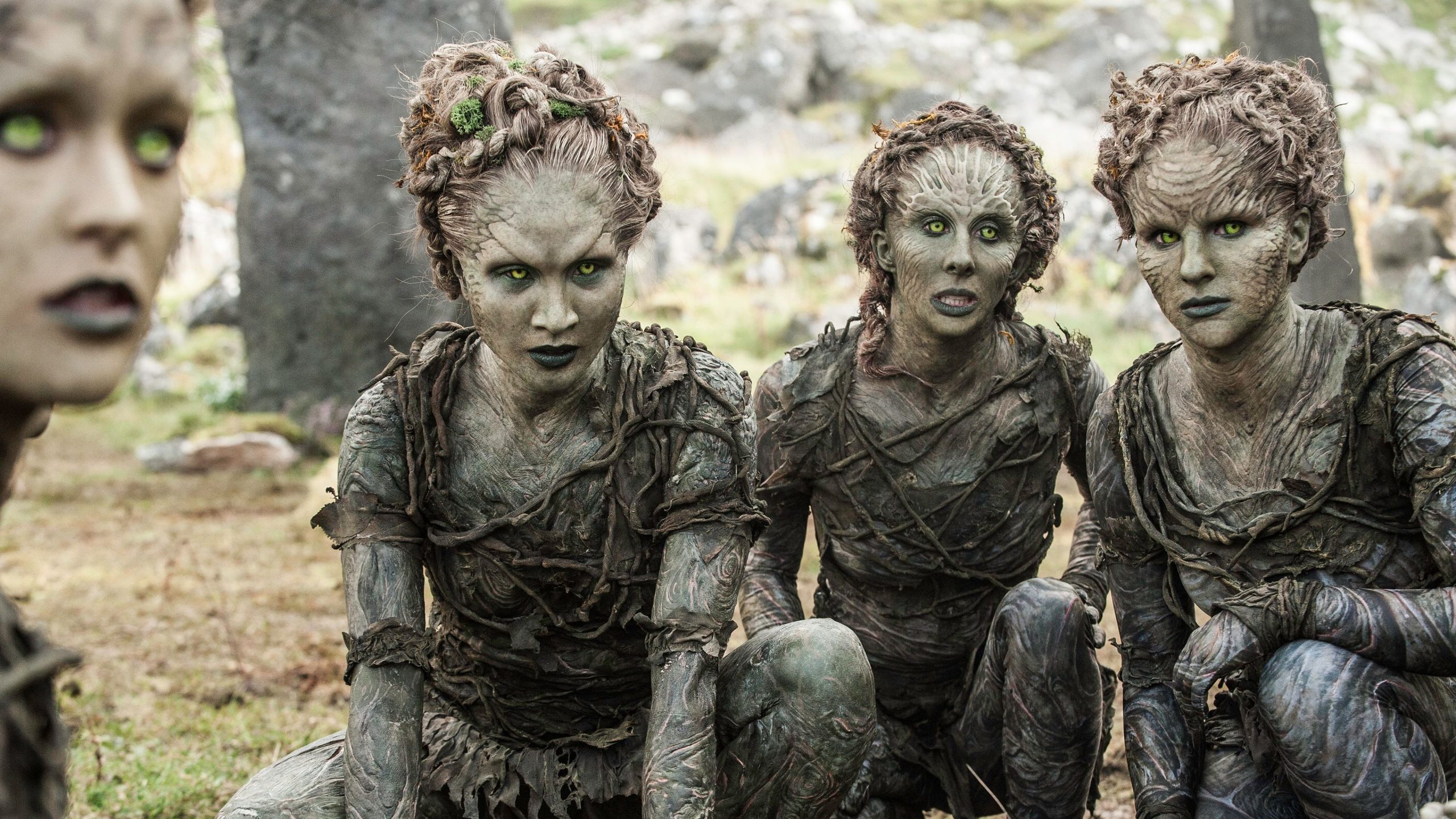
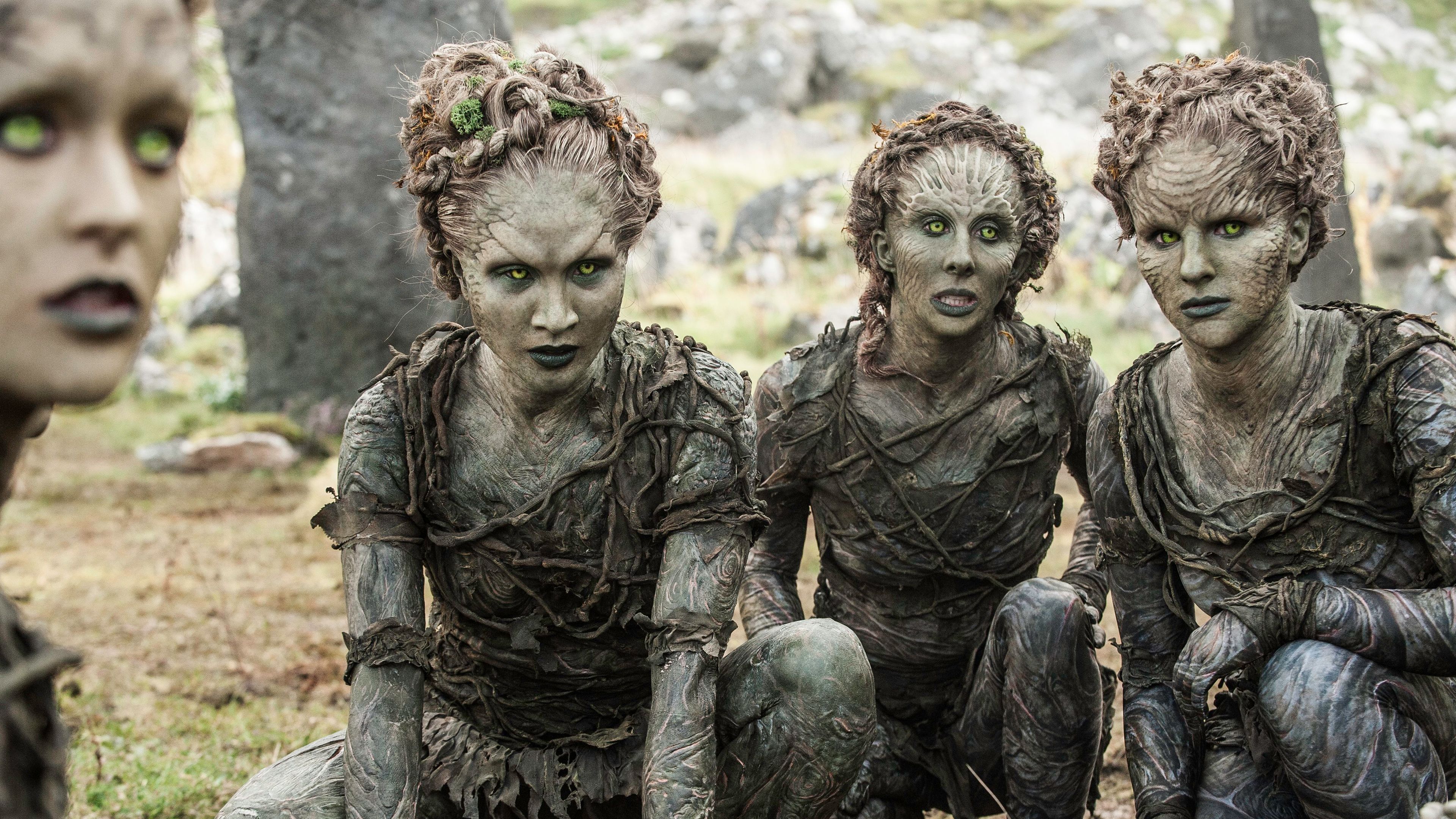
HBO’s epic masterpiece is legendary for its political intrigue, but its approach to the supernatural has long been a point of contention. George R. R. Martin’s "gardener" style of writing allows magic to feel organic and unpredictable, which works beautifully in the early seasons. However, as the series reached its crescendo, the magical mechanics felt increasingly inconsistent. The ambiguity that once felt atmospheric eventually turned into frustration, particularly when major supernatural events seemed to defy the very laws the show had spent years establishing.
The Witcher
Netflix’s adaptation of the beloved franchise faces a unique challenge: translating complex lore into a visual medium. While the show attempts to codify the magic of the Continent, it often feels less coherent than its source material. The primary issue lies in the power scaling; viewers are frequently left wondering why characters with god-like potential are limited to mundane spells, or why certain magical abilities appear and disappear based solely on the needs of the plot.
Lovecraft Country
A visually stunning exploration of racial horror, this series uses Lovecraftian elements as a profound metaphor. Yet, the magical logic often feels fragmented. The show jumps between various supernatural tropes—ranging from occult rituals to Korean folklore—without providing a unifying thread. This creates a disjointed experience where the "rules" of the supernatural feel disconnected, making it difficult to grasp the true stakes of the cosmic horror at play.
Loki
As a cornerstone of the Marvel Cinematic Universe’s Multiverse Saga, Loki deals with the heavy lifting of temporal mechanics and reality-warping. However, the MCU has a long-standing reputation for "soft" magic systems. Despite being a character defined by his mastery of sorcery, Loki’s actual limitations remain frustratingly opaque. Even after a dedicated series, the audience is left guessing exactly how much power he wields and what the actual boundaries of his abilities are within the TVA’s complex structure.
The Wheel of Time
Based on Robert Jordan’s sprawling epic, this series inherits a magic system that is notoriously dense. The concept of the "One Power" involves intricate weaving, gendered nuances, and elemental threads that require significant mental heavy lifting. Unfortunately, the television adaptation often lacks the breathing room to explain these complexities, leaving many viewers adrift in a sea of terminology and unexplained mechanics.
The Sandman
Neil Gaiman’s dreamscape is inherently surreal, which makes a rigid magic system almost impossible. While the nebulous nature of Morpheus’ powers fits the theme of the Dreaming, it often results in a lack of narrative clarity. As the series introduces various deities and cosmic entities, the conflicting rules of their respective realms create a beautiful, yet utterly baffling, magical landscape that prioritizes atmosphere over understandable logic.





Leave a Comment