
Thescreescore – While the long-awaited reunion between Leroy Jethro Gibbs and Tony DiNozzo in NCIS: Origins Season 3, Episode 3, "Return of the Mack," offered fans a poignant dose of nostalgia, it simultaneously shone a harsh spotlight on a glaring narrative inconsistency from the franchise’s past. The episode, which masterfully weaves between the 1990s and the present day, attempted to honor the legacy of the late David McCallum by revisiting the profound bond between Gibbs and the beloved medical examiner, Ducky. However, in doing so, it inadvertently exposed a storytelling blunder that has left longtime viewers questioning the emotional logic of the series.
The episode’s strength lies in its ability to evoke the warmth of the original ensemble. A standout moment occurs in the present day, where DiNozzo—sporting a playful British accent—reminisces about Ducky, even prompting Gibbs to hold a cherished train that once belonged to the late doctor. These quiet, reflective beats serve to underscore the deep, familial connection the characters shared. Yet, as the episode delves into the depth of Gibbs and Ducky’s friendship, it forces a confrontation with the events of NCIS Season 22, specifically during the tribute episode following McCallum’s passing in real life.
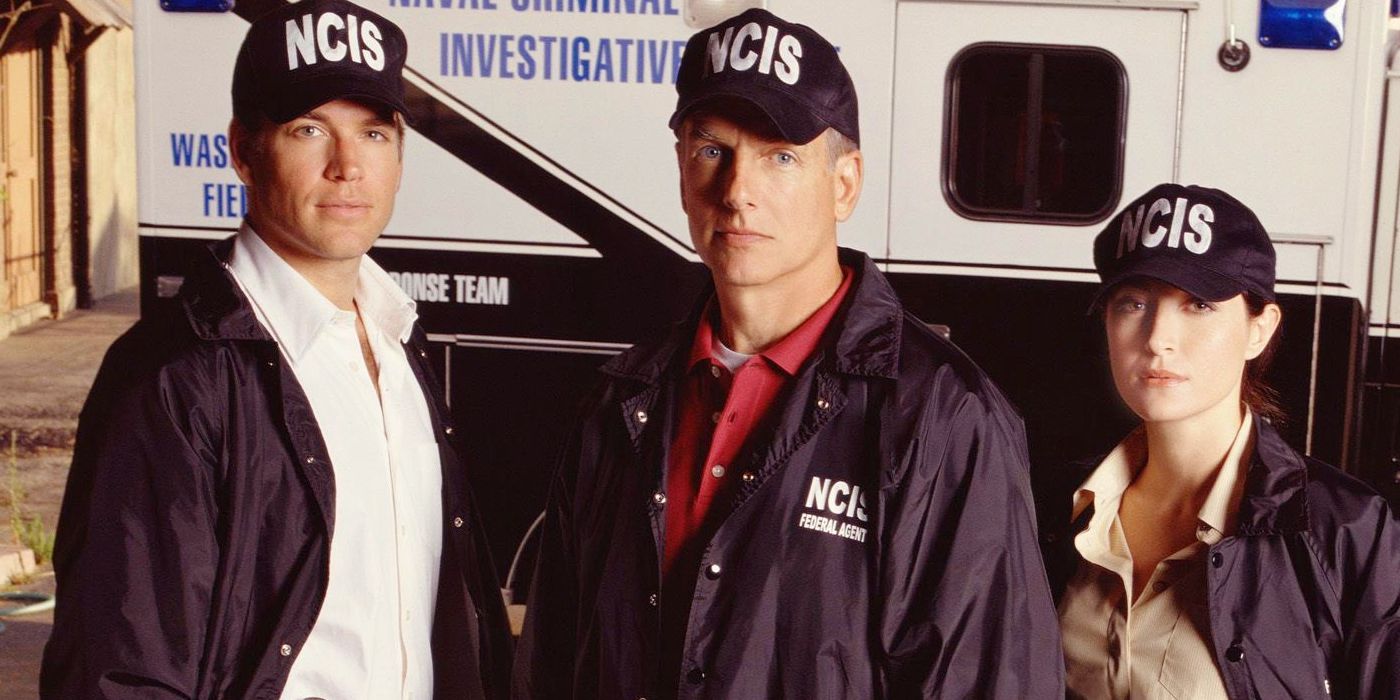
In that previous tribute, the showrunners opted for a heartfelt farewell that included a brief appearance by Weatherly’s DiNozzo, but notably excluded Mark Harmon’s Gibbs. While the show explained his absence via a condolence card sent from Alaska, NCIS: Origins has effectively retroactively undermined that decision. The prequel series explicitly frames Gibbs and Ducky not just as colleagues, but as "best friends" whose lives were inextricably linked by decades of shared trauma and triumph.

Related Post


From a character-study perspective, the idea that Gibbs would miss Ducky’s funeral is a difficult pill to swallow. If the bond is as foundational as the new season suggests, a mere card feels like a disservice to the character’s integrity. Unlike the professional respect Gibbs held for Leon Vance, his connection to Ducky was soulful and irreplaceable. The logistical reality—that Ducky passed at home and the team had time to process the loss—suggests that Gibbs could have easily made the journey, making his absence feel less like a narrative necessity and more like a missed opportunity for emotional resonance.
While showrunner Steven D. Binder previously noted that the decision to omit Gibbs from the original tribute was made to avoid a "meaningless cameo," the emotional fallout remains. The creative team clearly wanted to save Harmon’s return for a more substantial arc, a strategy that has finally paid off with this season of Origins. However, by elevating the importance of the Gibbs-Ducky friendship to new heights, the series has unintentionally highlighted a moment where the writing failed to live up to the very heart of the characters it sought to honor.





Leave a Comment