
<strong>Thescreescore – </strong>The atmosphere at New York Comic Con 2026 was electric, but for the global shinobi community, the real bombshell didn’t come from a trailer or a cameo—it came from the return of a master. In a move that has sent shockwaves through the manga industry, Masashi Kishimoto has officially announced a new project, Naruto: Shadow Rising. This isn’t just another spin-off; it is a deep dive into the long-awaited "Blank Period," and most importantly, it marks the return of Kishimoto himself as the primary artist, rather than a mere supervisor.
For years, fans of the Boruto era have voiced a subtle but persistent grievance: while the new generation of shinobi receives meticulous, high-fidelity character designs, the legendary Naruto Uzumaki has often felt visually sidelined. While he has appeared in various animated and illustrated capacities, the aesthetic depth has lacked the punch of his original run. Naruto: Shadow Rising promises to rectify this oversight. By stepping back into the driver’s seat, Kishimoto is set to bring his signature cinematic flair and expressive linework back to the protagonist, offering a visual evolution that feels earned rather than forced.
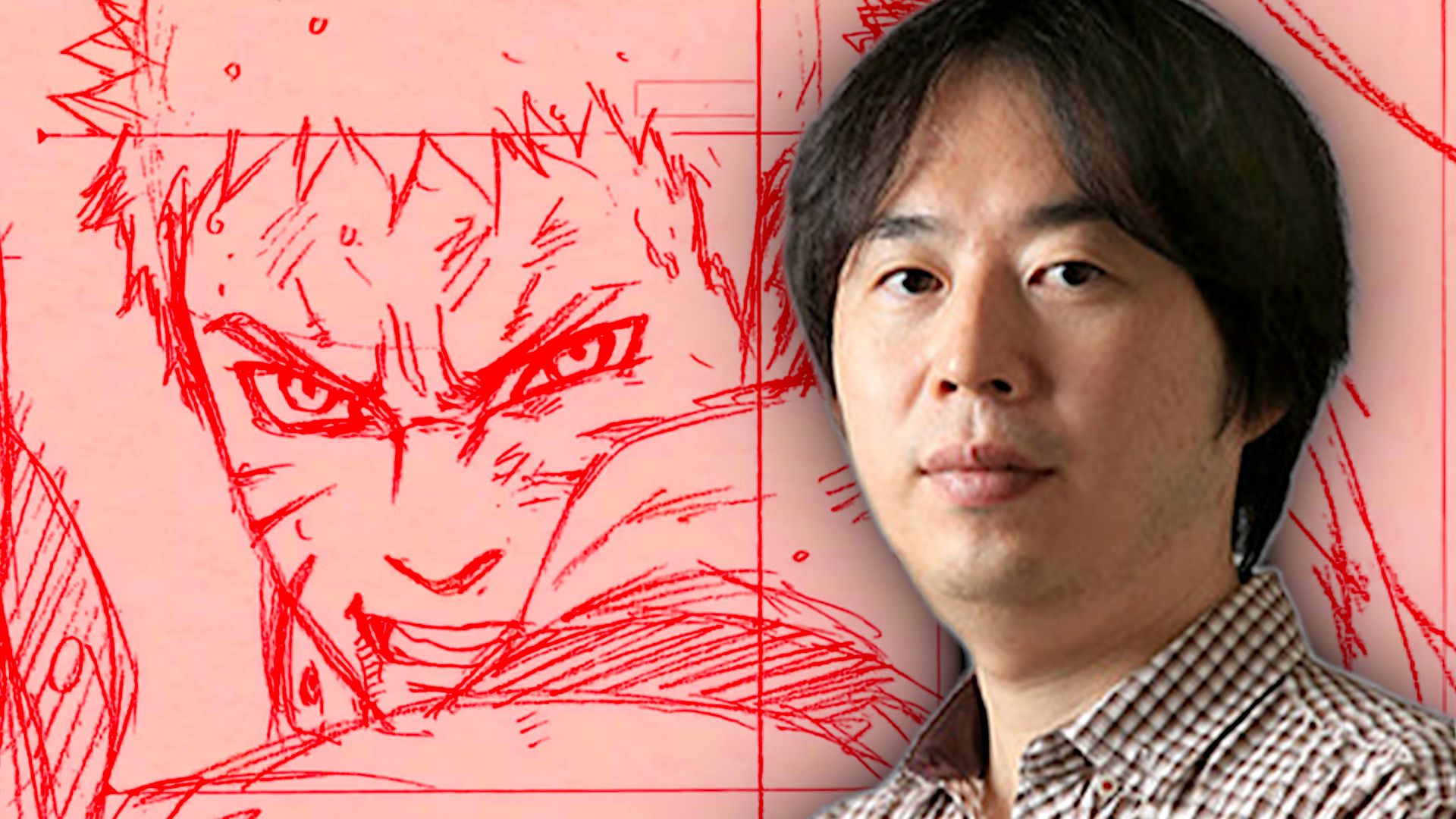
Early glimpses of the character design in the project’s inaugural trailer suggest a return to form that leans heavily into the aesthetic established in The Last: Naruto the Movie. This iteration of the future Seventh Hokage feels more grounded and rugged, capturing a sense of maturity as he prepares for his inevitable clashes with Sasuke. The subtle details—such as the more natural integration of his iconic whisker marks and the refined texture of his Hokage regalia—indicate that Kishimoto is focusing on authenticity. The redesign isn’t about a radical overhaul of his silhouette, but rather a sophisticated refinement of his temperament, transitioning him from the boisterous youth into a man of profound weight and presence.

Related Post

There is, of course, minor debate among the fandom regarding his hair; the current design maintains a cropped look rather than the flowing, shaggy locks reminiscent of his father, Minato. However, in the grand scheme of Kishimoto’s masterful storytelling, this is a minor detail. The true triumph lies in the kinetic energy promised by the early panels. Kishimoto’s ability to imbue taijutsu and ninjutsu with a sense of physical impact and "weight" is legendary, and seeing him tackle the prime versions of these characters is a gift to the medium.
As we move into this new chapter, Naruto: Shadow Rising stands as more than just a nostalgic trip. It is a bold reclamation of the franchise’s visual identity. With Kishimoto at the helm, the "Blank Period" is no longer a gap in history, but a canvas for some of the most breathtaking art the series has ever seen. According to reports via thescreescore.com, the era of the master has officially returned.





Leave a Comment